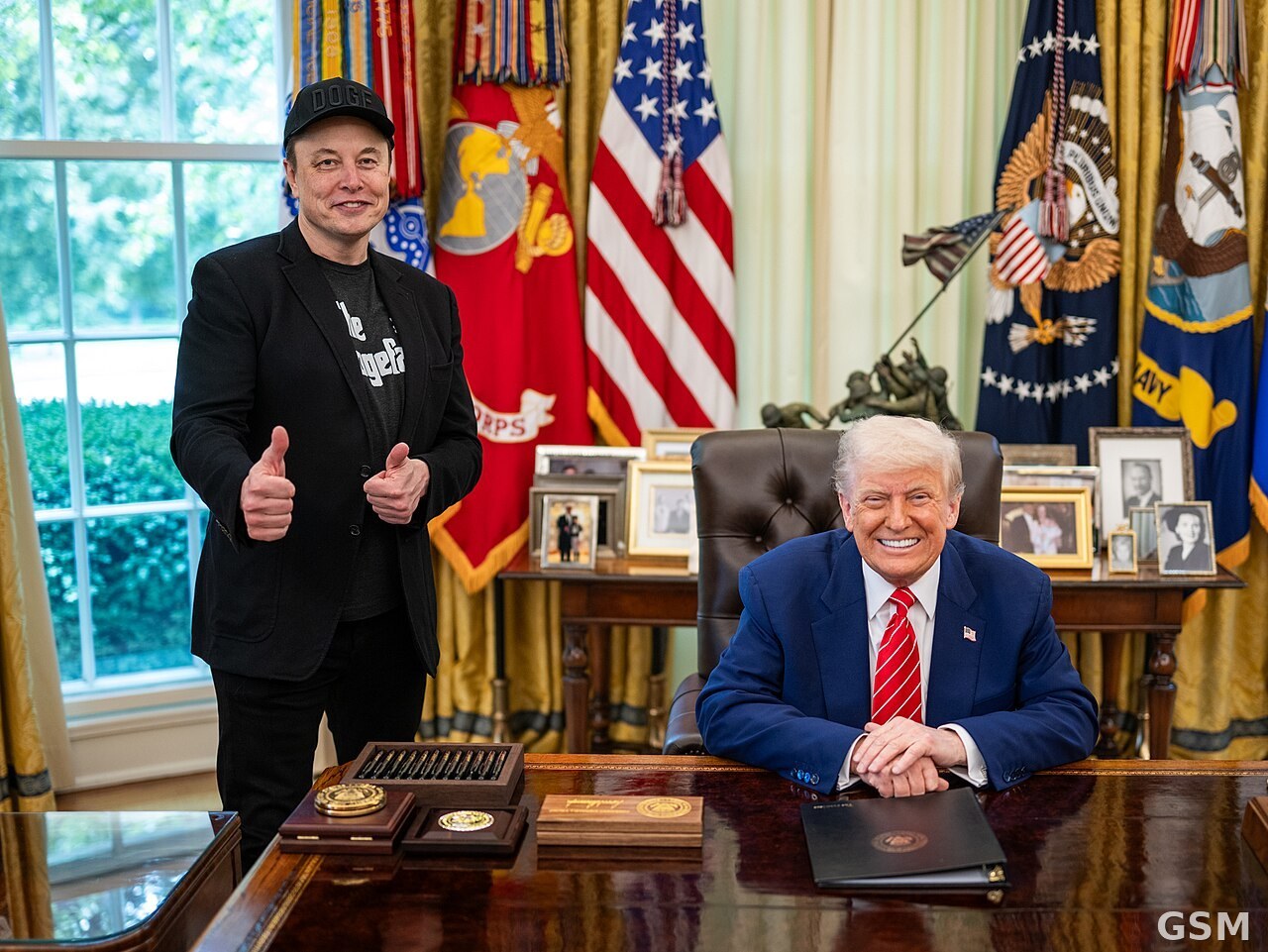
Trump Signs Steel and Aluminum Proclamations: Steel Restored to 25%, Aluminum Raised to 25%
President Donald Trump signed two presidential proclamations at the White House in Washington, D.C., on February 10, 2025, adjusting U.S. imports of steel and aluminum under Section 232, the national security provision of the Trade Expansion Act of 1962. At the signing, Trump said the steel and aluminum tariffs would have no exceptions.
On steel, Proclamation 10896 restored a 25 percent ad valorem tariff on steel products from all countries and terminated the alternative arrangements previously reached with Argentina, Australia, Brazil, Canada, the European Union, Japan, Mexico, South Korea, and the United Kingdom, including quota and tariff-rate quota arrangements. Starting March 12, 2025, steel imports from those countries would all be subject to the 25 percent tariff.
The steel proclamation also expanded coverage to derivative steel products, directed the Secretary of Commerce to terminate all existing general approved exclusions by March 12, 2025, and revoked the product exclusion process.
On aluminum, Proclamation 10895 raised the tariff on aluminum products from 10 percent to 25 percent and likewise terminated the alternative arrangements and exclusions for other countries. Derivative products containing Russian primary aluminum remained subject to a 200 percent rate.
The principal provisions of both proclamations were to take effect at 12:01 a.m. Eastern Time on March 12, 2025.
The proclamations set out their rationale by citing the report of the Secretary of Commerce. According to the proclamations, imports from exempted countries surged during the exemptions — steel imports from Canada, for example, rose 18 percent compared with the period before its exemption; global excess steel capacity was projected to reach about 630 million tonnes by 2026; and China's steel exports exceeded 114 million tonnes in the first 11 months of 2024. The proclamations also said the original 25 percent tariff in 2018 had raised U.S. steel capacity utilization above 80 percent, after which it had fallen back below the 80 percent objective.
(Source: The White House)
Source: The White House
Published by GSM · USA (original Chinese edition)
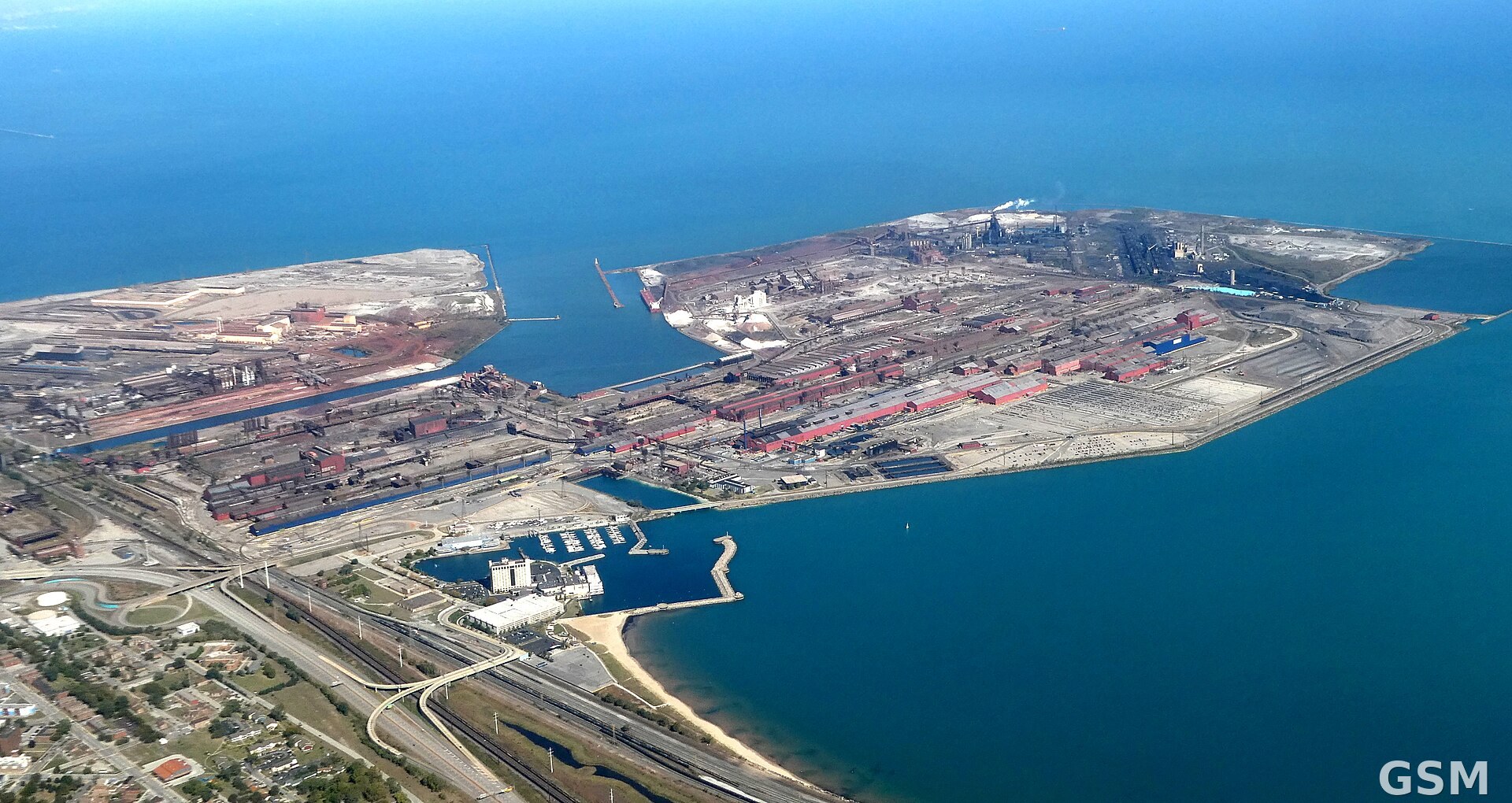
Photo: 图:位于印第安纳州东芝加哥的印第安纳港钢铁厂航拍(2024年10月,Pi.1415926535 摄,CC BY-SA 4.0);系美国大型综合钢厂资料图,非公告签署现场。 / Photo: Aerial view of the Indiana Harbor Works steel mill in East Chicago, Indiana, October 2024 (by Pi.1415926535, CC BY-SA 4.0); a file photo of a major U.S. integrated steel mill, not the signing ceremony.