Justice Department Asks Court to Dismiss Corruption Case Against New York Mayor Eric Adams
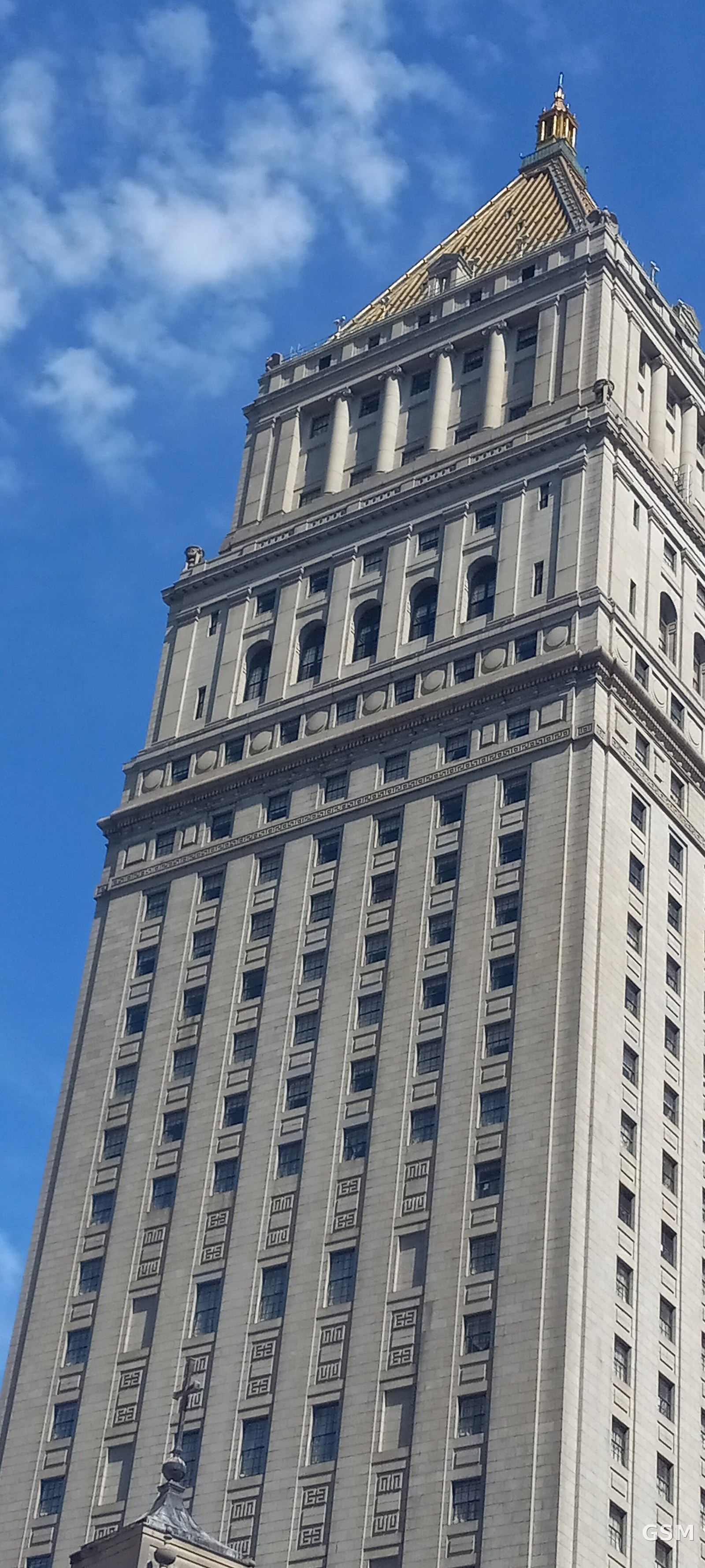
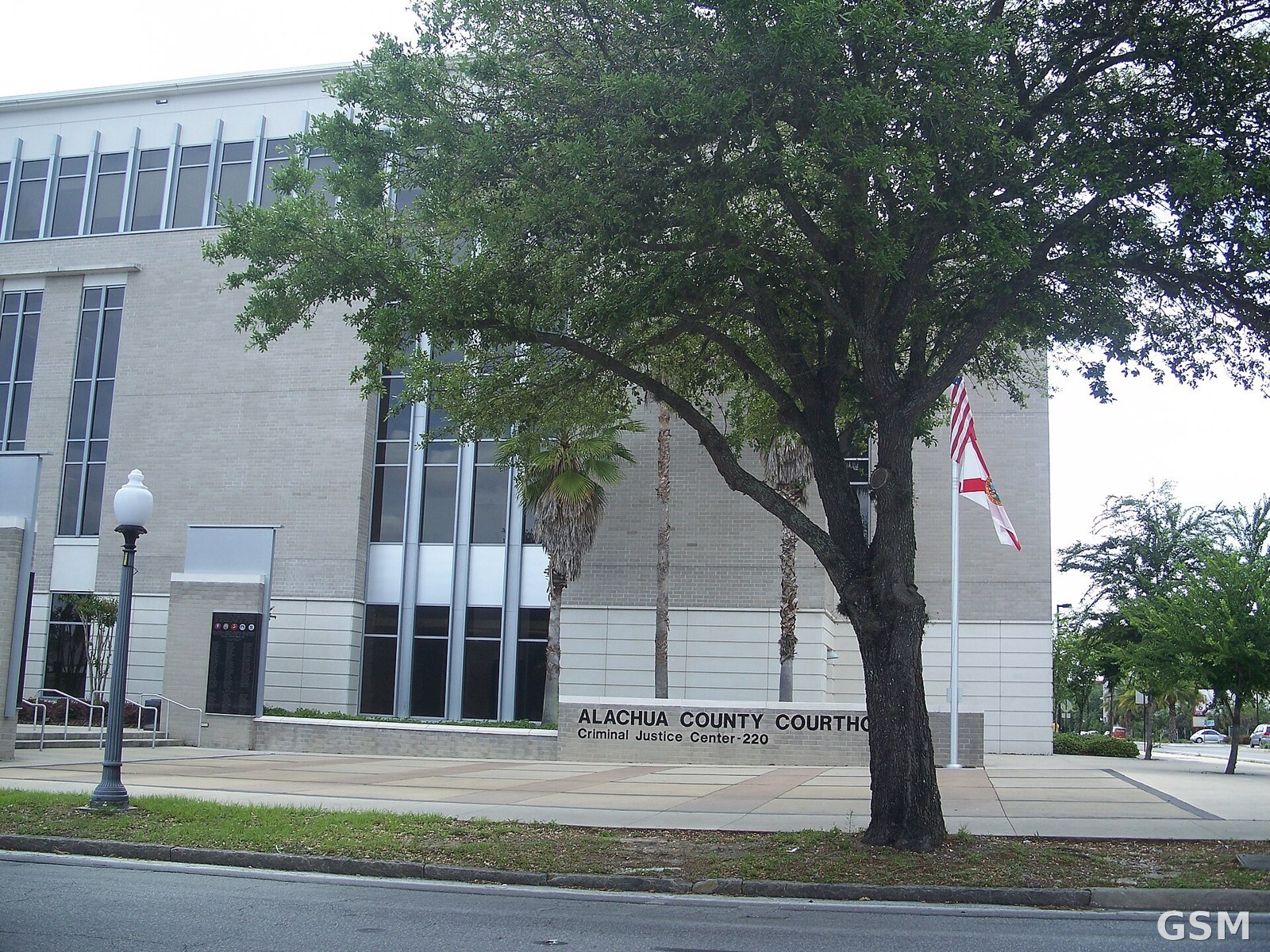
On February 14, 2025, the U.S. Department of Justice asked the U.S. District Court for the Southern District of New York, in Manhattan, New York County, New York, for leave to dismiss the corruption case against New York City Mayor Eric Adams. The case, No. 24 Cr. 556, is before U.S. District Judge Dale E. Ho. The filing, styled a nolle prosequi, was made under Rule 48(a) of the Federal Rules of Criminal Procedure and seeks dismissal without prejudice of all charges — meaning the government would remain free to bring the charges again in the future. The motion states that Adams, through counsel, consented in writing to the motion and agreed that he is not a "prevailing party" for purposes of the Hyde Amendment. It also states that attorneys from the Department of Justice have replaced the Assistant U.S. Attorneys from the Southern District of New York as counsel of record, and that the Department will handle the matter and any related decision-making in the future.
The motion gives two reasons. First, Acting Deputy Attorney General Emil Bove concluded that dismissal is necessary because of appearances of impropriety and risks of interference with the 2025 elections in New York City, which implicate Executive Order 14147. The motion says that conclusion rested in part on a review of a website maintained by a former U.S. Attorney for the Southern District of New York, Damian Williams, and an op-ed published by that former U.S. Attorney. Second, Bove concluded that continuing the proceedings would interfere with Adams's ability to govern in New York City, posing unacceptable threats to public safety, national security, and related federal immigration initiatives and policies. The motion says that, as a result of the proceedings, Adams has been denied access to sensitive information that Bove believes is necessary for Adams to govern and to help protect the City.
The filing grew out of a memorandum Bove sent on February 10, 2025, to Danielle Sassoon, the acting U.S. Attorney for the Southern District of New York. The memorandum said Bove acted as authorized by the Attorney General and directed her to dismiss the pending charges as soon as practicable, subject to three conditions: Adams must agree in writing to dismissal without prejudice; Adams must agree in writing that he is not a prevailing party under the Hyde Amendment; and the matter must be reviewed by the confirmed U.S. Attorney for the Southern District of New York following the November 2025 mayoral election. The memorandum further directed that there be no further targeting of Adams and no additional investigative steps before that review, and that steps be taken to restore Adams's security clearances. It gave two independent reasons: first, that the timing of the charges and more recent public actions by the former U.S. Attorney had threatened the integrity of the proceedings, including by increasing prejudicial pretrial publicity; and second, that the pending prosecution had unduly restricted Adams's ability to devote full attention and resources to illegal immigration and violent crime. The memorandum stated that the Department had reached its conclusion without assessing the strength of the evidence or the legal theories on which the case is based. In a footnote, it also stated that the government is not offering to exchange dismissal of a criminal case for Adams's assistance on immigration enforcement.
Sassoon did not carry out the directive. In a letter dated February 12, 2025, to Attorney General Pam Bondi, she wrote that she could not advance either of Bove's two grounds in good faith. She wrote that she was confident Adams had committed the crimes charged, and that Bove had never called into question the case team's integrity or that the charges were serious and supported by fact and law. In a footnote, Sassoon wrote that she had attended a January 31 meeting with Bove, Adams's counsel, and members of her office, at which "Adams's attorneys repeatedly urged what amounted to a quid pro quo, indicating that Adams would be in a position to assist with the Department's enforcement priorities only if the indictment were dismissed." She wrote that Bove admonished a member of her team who took notes during that meeting and directed the collection of those notes at the meeting's conclusion. Sassoon said her office had been prepared to seek a superseding indictment from a new grand jury, adding an obstruction conspiracy count based on evidence that Adams destroyed and instructed others to destroy evidence and provide false information to the FBI, along with further allegations about a fraudulent straw donor scheme. She wrote that it was "a breathtaking and dangerous precedent" to reward Adams's opportunistic and shifting commitments on immigration and other policy matters with dismissal of a criminal indictment. She closed by saying that if the Attorney General was unwilling to meet or to reconsider the directive, she was prepared to offer her resignation. Adams's lawyer, Alex Spiro, denied that there had been any quid pro quo, and Adams himself said he had never offered to trade his authority as mayor for an end to his case.
On February 13, Bove replied by letter accepting Sassoon's resignation, transferring the prosecution to the Justice Department, which would file the dismissal motion itself, and placing the two Assistant U.S. Attorneys principally responsible for the case on leave pending investigations. The same day, Kevin Driscoll, the acting head of the Criminal Division, and John Keller, the acting chief of the Public Integrity Section, resigned after being asked to take over the case, and three other attorneys in the Public Integrity Section also resigned — six prosecutors in all left on February 13, counting Sassoon. On February 14, Hagan Scotten, one of the lead prosecutors on the case in the Southern District, resigned as well, the seventh to do so. In his letter to Bove, Scotten wrote: "Any assistant U.S. attorney would know that our laws and traditions do not allow using the prosecutorial power to influence other citizens, much less elected officials, in this way. If no lawyer within earshot of the President is willing to give him that advice, then I expect you will eventually find someone who is enough of a fool, or enough of a coward, to file your motion. But it was never going to be me." According to Reuters, citing sources briefed on the matter, Bove told the Public Integrity Section's career prosecutors on February 14 that they had an hour to decide among themselves who would file the motion, and Edward Sullivan, a veteran career prosecutor in the section, agreed to do so to spare his colleagues. The motion filed that day was directed and signed by Bove and also signed by Sullivan and by Antoinette T. Bacon, a supervisory official in the Criminal Division.
Adams had been indicted on September 24, 2024. The five-count indictment charged conspiracy to commit wire fraud and federal program bribery and to receive campaign contributions by foreign nationals, wire fraud, two counts of soliciting campaign contributions from foreign nationals, and bribery. Prosecutors alleged that Adams sought and accepted more than $100,000 in improper benefits, including luxury travel provided by Turkish officials and businesspeople, and that he pressured the New York City Fire Department to allow the new Turkish consulate building to open despite unresolved fire-safety concerns. Adams pleaded not guilty and denied wrongdoing, and his trial had been scheduled for April 2025. Under Rule 48(a), a government motion to dismiss requires leave of court; as of the February 14 filing, Judge Ho had not yet ruled, and the case remained pending.
(Source: U.S. Department of Justice)
Source: U.S. Department of Justice
Published by GSM · USA (original Chinese edition)
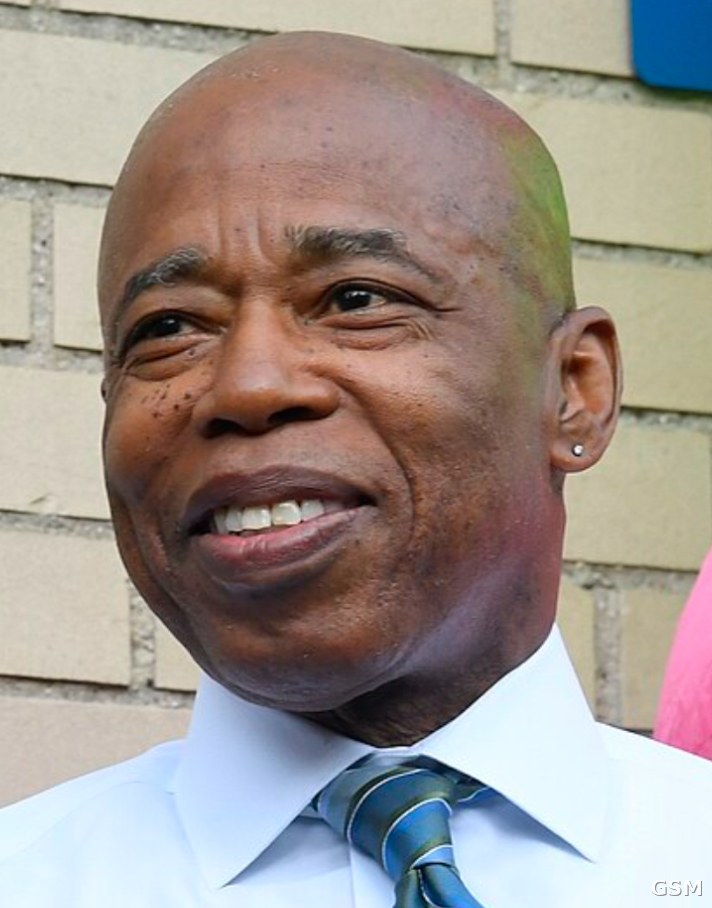
Photo: 图:纽约市长埃里克·亚当斯(2024年9月,纽约大都会运输署摄,CC BY 2.0);系其被起诉前不久的公开活动照片。 / Photo: New York City Mayor Eric Adams in September 2024 (Metropolitan Transportation Authority, CC BY 2.0), photographed at a public event shortly before his indictment.