[Video] U.S. Military Strikes Three Iranian Nuclear Facilities; Trump Says Enrichment Sites Obliterated
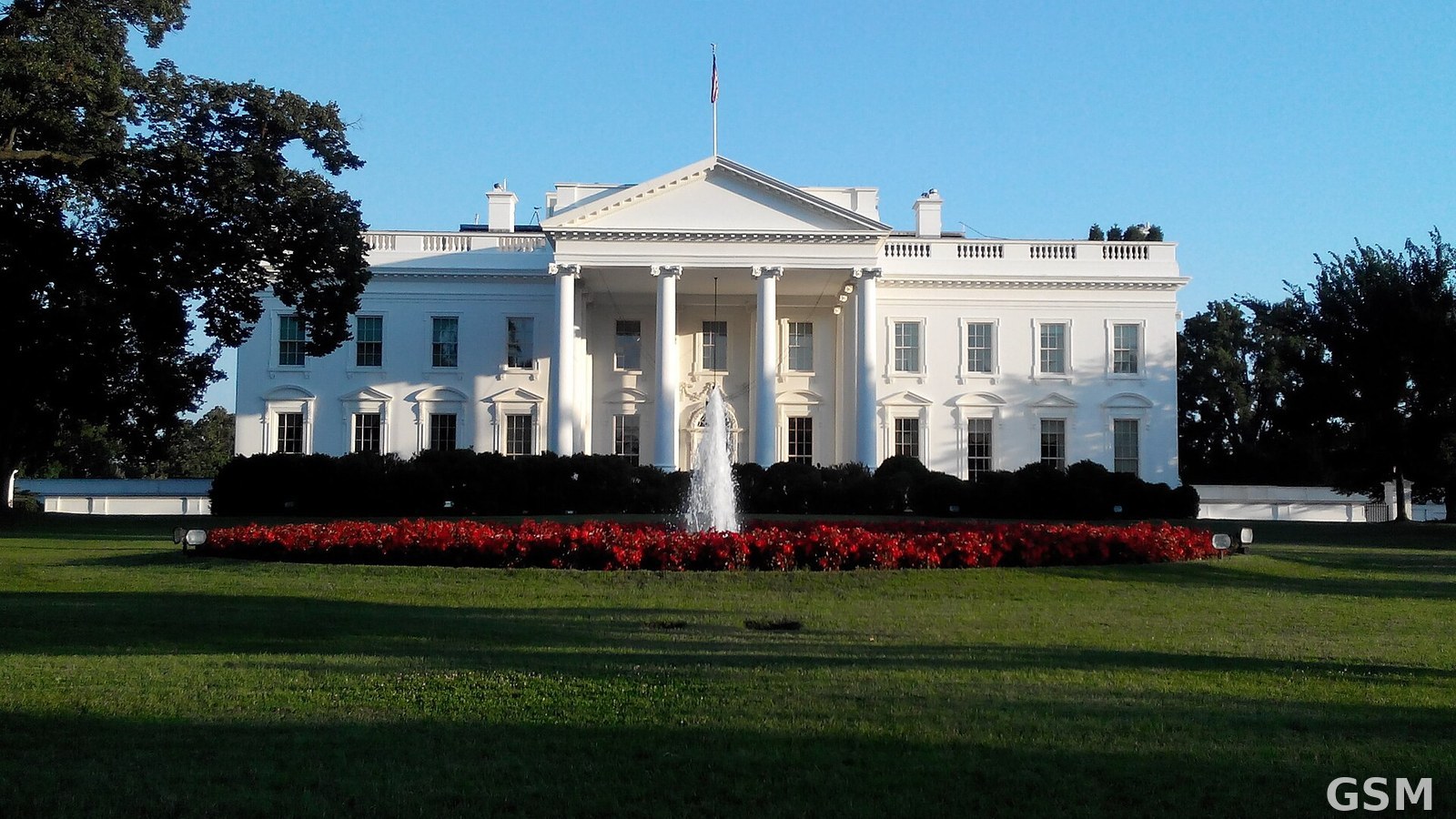
On the evening of June 21, 2025, President Donald Trump addressed the nation from the East Room of the White House and announced that the U.S. military had carried out massive precision strikes on three key Iranian nuclear facilities, at Fordow, Natanz, and Esfahan. Speaking at 10:02 p.m. Eastern time, Trump said the objective was the destruction of Iran's nuclear enrichment capacity and a stop to the nuclear threat posed by Iran.
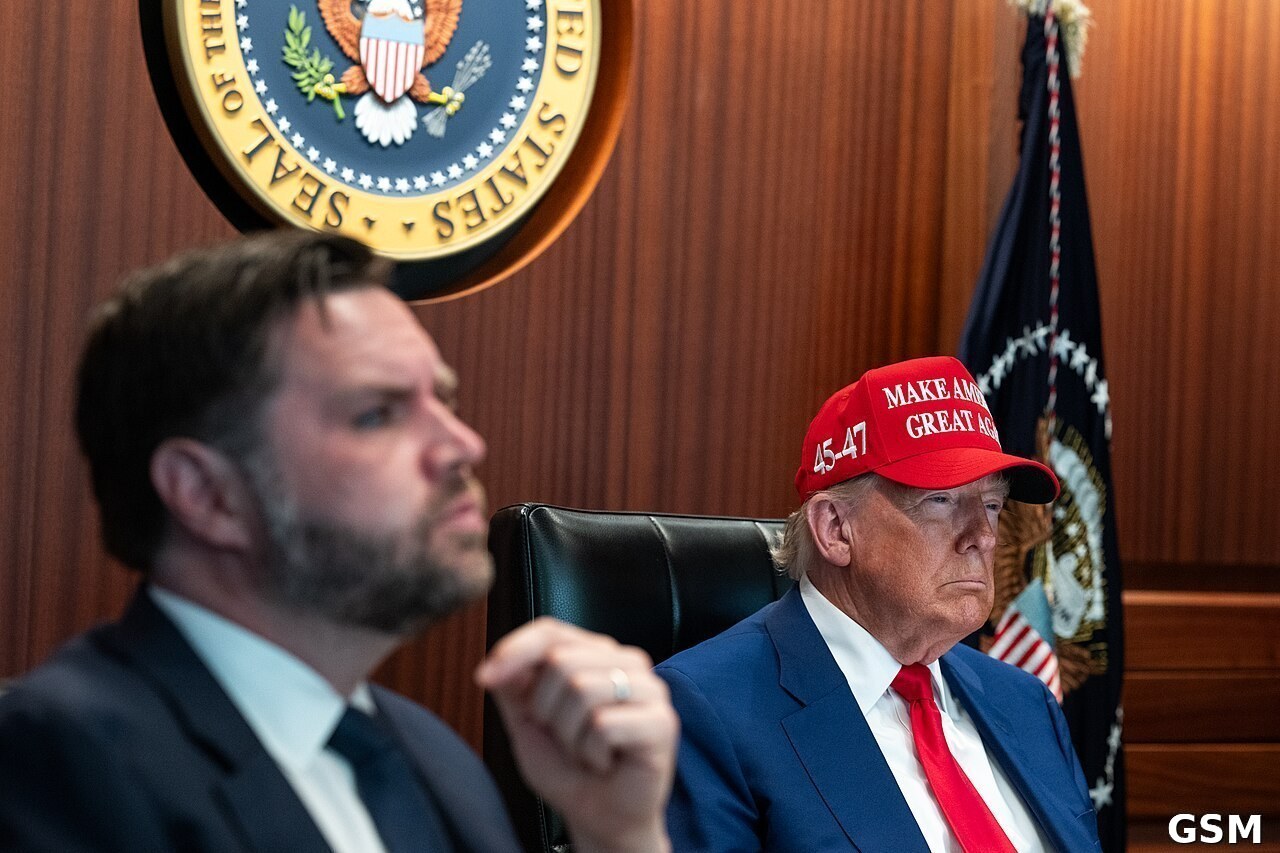
Tonight I can report to the world that the strikes were a spectacular military success. Iran's key nuclear enrichment facilities have been completely and totally obliterated, Trump said. He said Iran must now make peace, and that if it did not, future attacks would be far greater and a lot easier; if peace did not come quickly, he said, the United States would go after the remaining targets with precision, speed, and skill. He thanked Israeli Prime Minister Benjamin Netanyahu and the Israeli military, and congratulated Chairman of the Joint Chiefs of Staff Dan Caine and all of the U.S. service members involved. He also announced that Caine and Secretary of Defense Pete Hegseth would hold a press conference at the Pentagon at 8 a.m. the next day.
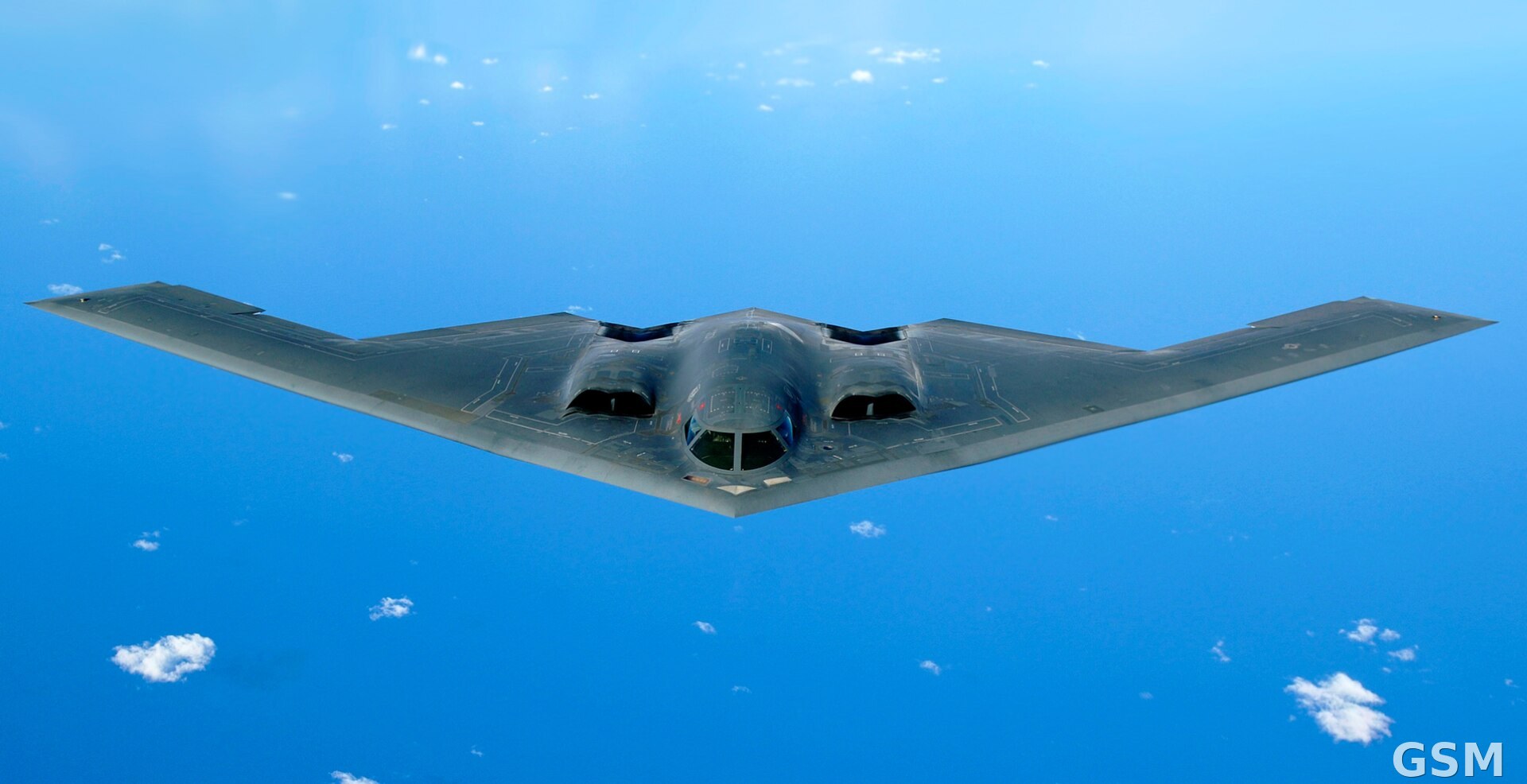
At that Pentagon briefing on the morning of June 22, officials released the operation's details and its name, Operation Midnight Hammer. Caine said the operation was executed by U.S. Central Command under General Erik Kurilla. The main strike package of seven B-2 stealth bombers launched from Whiteman Air Force Base in Missouri shortly after midnight on Friday and flew east, while another group of B-2s flew west as a decoy. At about 5 p.m. Eastern time on June 21, a U.S. submarine launched more than two dozen Tomahawk cruise missiles against key surface infrastructure targets at Esfahan. At 6:40 p.m. Eastern, 2:10 a.m. in Iran, the lead B-2 dropped two GBU-57 Massive Ordnance Penetrator weapons on the first aim point at Fordow, and the remaining bombers then hit their targets; all three facilities were struck between 6:40 p.m. and 7:05 p.m. Eastern. U.S. forces dropped 14 Massive Ordnance Penetrators in total, employed about 75 precision-guided weapons, and flew more than 125 aircraft in the mission.
Caine said it was the first operational use of the GBU-57 and the longest B-2 mission since 2001. Initial battle damage assessments indicated that all three sites sustained extremely severe damage and destruction, he said, declining to speculate on whether any Iranian nuclear capability might still be intact. Hegseth said the operation devastated the Iranian nuclear program and noted that it did not target Iranian troops or the Iranian people. He said the plan had taken months and weeks of positioning and preparation, involved misdirection and the highest operational security, and that very few people in Washington had known its timing or nature in advance.
(Source: The White House)
Source: The White House
Published by GSM · USA (original Chinese edition)
Photo: 图:美军 B-2 隐形轰炸机(资料图),执行此次空袭的七架 B-2 即由怀特曼空军基地的第509轰炸联队出动。Staff Sgt. Bennie J. Davis III 摄,美国空军,公共领域,经 Wikimedia Commons。 / Photo: A U.S. B-2 stealth bomber (file photo); the seven B-2s that carried out the strike flew from the 509th Bomb Wing at Whiteman Air Force Base. Photo by Staff Sgt. Bennie J. Davis III, U.S. Air Force, public domain, via Wikimedia Commons.