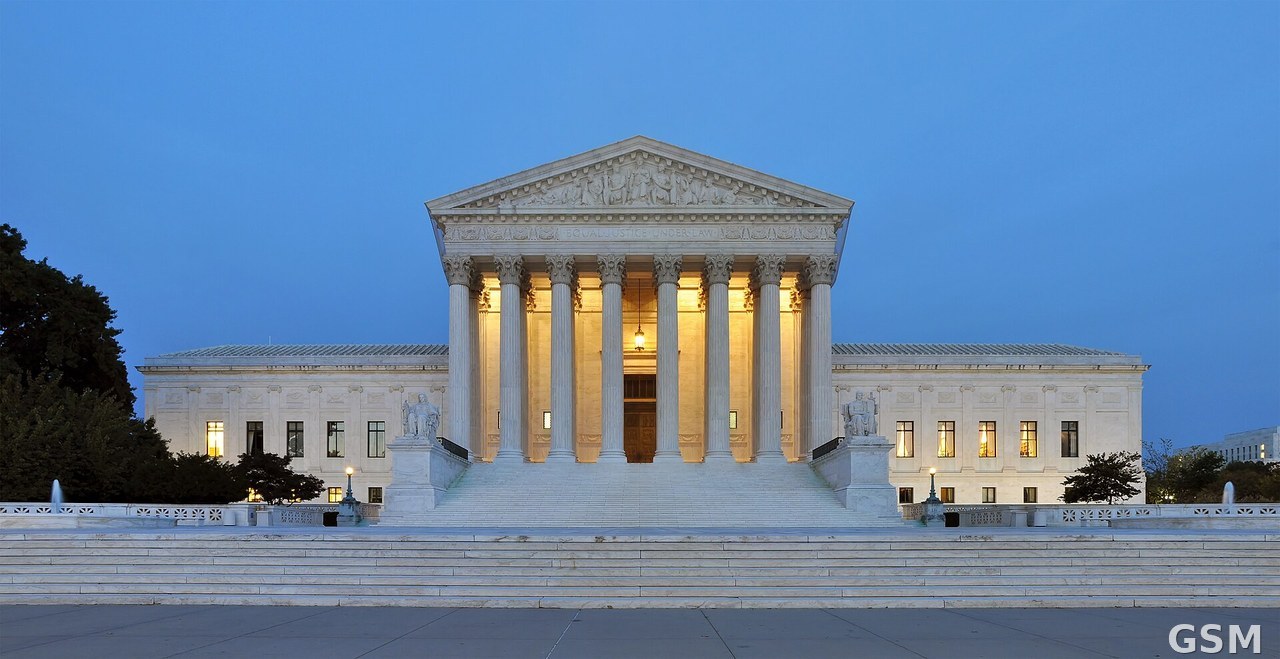
Supreme Court Upholds ACA Preventive Services Coverage, 6-3, Ruling Task Force Appointments Constitutional
On June 27, 2025, the Supreme Court in Washington ruled 6-3 to reverse the Fifth Circuit and held that appointment of the members of the U.S. Preventive Services Task Force by the Secretary of Health and Human Services is consistent with the Appointments Clause of Article II. The ruling leaves in place the Affordable Care Act requirement that health insurers cover preventive services recommended by the Task Force at no cost to the insured.
The Task Force, an entity within the Department of Health and Human Services, consists of 16 members who issue evidence-based recommendations on preventive health care services such as cancer and diabetes screenings. It has given an A or B rating to more than 40 services, including screenings for lung, breast, cervical, and colorectal cancer, risk-reducing medications for women at high risk of breast cancer, nicotine patches for adults trying to quit smoking, statin medications to reduce the risk of heart disease and stroke, physical therapy to help the elderly avoid falls, and diabetes screenings. Before 2010 the recommendations were purely advisory; under the Affordable Care Act, most health plans must cover A- or B-rated services without copayments, deductibles, or other cost sharing.
Several individuals and small businesses, led by Braidwood Management, sued in the U.S. District Court for the Northern District of Texas, objecting to the preventive-services coverage requirements, including a religious objection to covering pre-exposure prophylaxis drugs that prevent HIV infection. The district court and the Fifth Circuit held that Task Force members are principal officers who must be nominated by the President and confirmed by the Senate. In June 2023, while the appeal was pending, the Secretary ratified the appointments of the existing members and has appointed members directly since then.
In the majority opinion, Justice Brett Kavanaugh wrote that the question turned on whether Task Force members are principal or inferior officers. Task Force members are removable at will by the Secretary, and their recommendations are reviewable by the Secretary, who can block them before they take effect, so members are supervised and directed by the Secretary, who in turn answers to the President. The Court therefore held that the members are inferior officers whose appointment by the head of a department is constitutional. Chief Justice John Roberts and Justices Sonia Sotomayor, Elena Kagan, Amy Coney Barrett, and Ketanji Brown Jackson joined the majority.
Justice Clarence Thomas dissented, arguing that Congress had not explicitly vested appointment authority over the Task Force in the Secretary and that, under the Appointments Clause’s default rule, such officers must be appointed by the President with the advice and consent of the Senate. Justices Samuel Alito and Neil Gorsuch joined the dissent.
The immediate effect of the decision is that the existing no-cost preventive services coverage requirement remains unchanged and the Task Force can continue issuing the recommendations that drive coverage. The majority also confirmed that the Secretary may remove Task Force members at will and may review and block their recommendations before they take effect. The case is No. 24-316.
(Source: Supreme Court of the United States)
Source: Supreme Court of the United States
Published by GSM · USA (original Chinese edition)
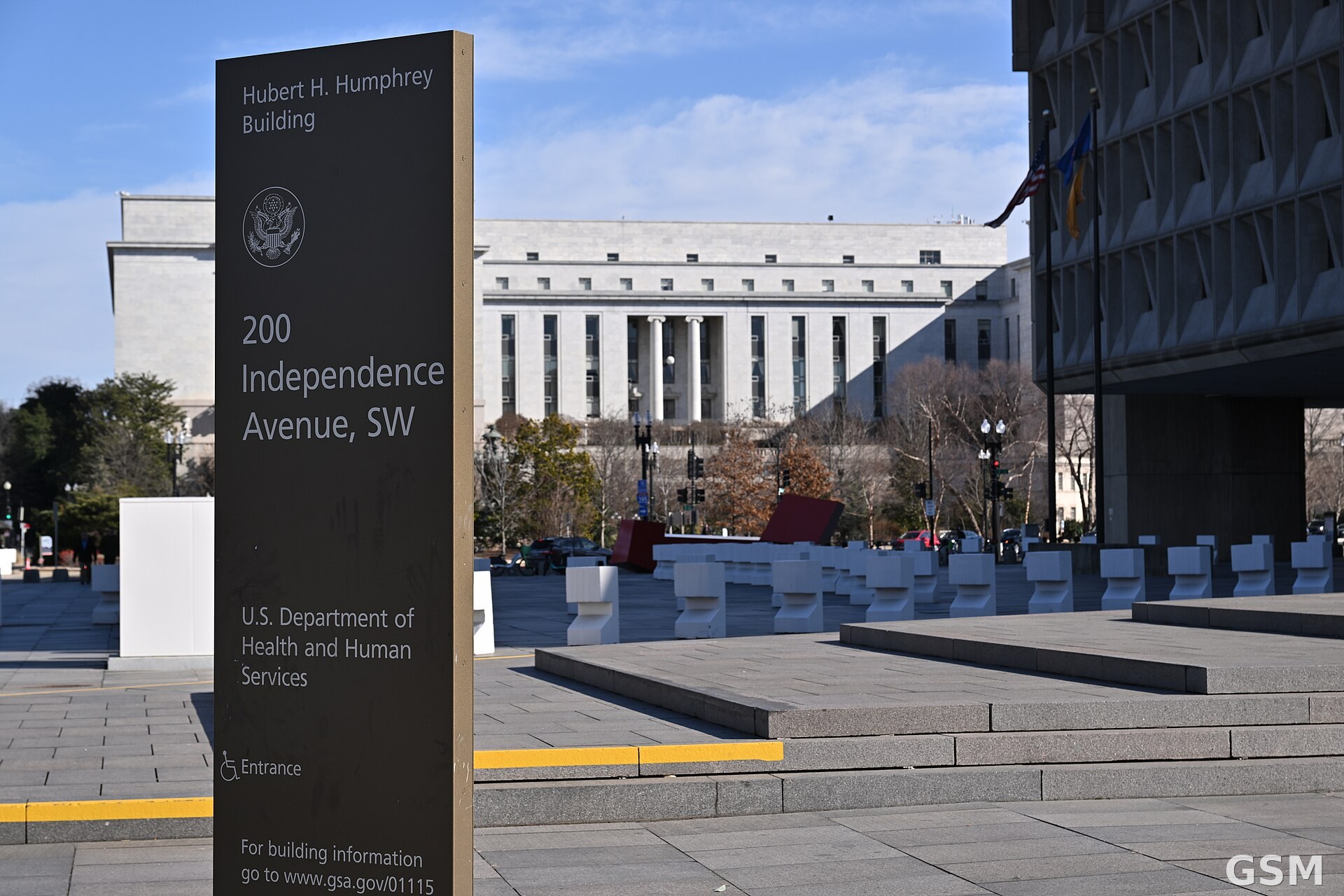
Photo: 图:位于华盛顿的美国卫生与公众服务部总部 Hubert H. Humphrey Building 入口标识,本案焦点预防服务工作组设在该部之内。Lorax 摄,CC BY 4.0,经 Wikimedia Commons。 / Photo: Entrance sign of the Hubert H. Humphrey Building in Washington, headquarters of the U.S. Department of Health and Human Services, the department that houses the Preventive Services Task Force at issue. Photo by Lorax, CC BY 4.0, via Wikimedia Commons.