Supreme Court Upholds Texas Age-Verification Law for Pornographic Websites, 6-3
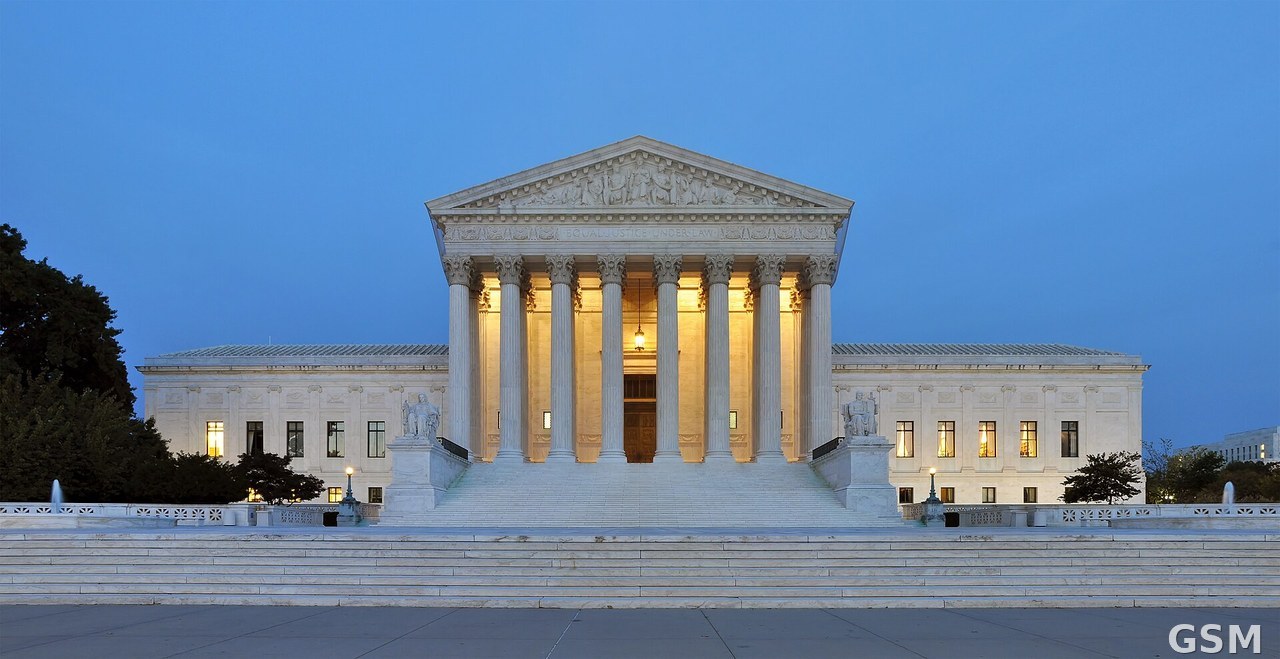
On June 27, 2025, the Supreme Court in Washington upheld, 6-3, a Texas law requiring pornographic websites to verify the ages of their visitors, holding that the law only incidentally burdens the protected speech of adults and survives intermediate scrutiny. Texas Attorney General Ken Paxton was the respondent.
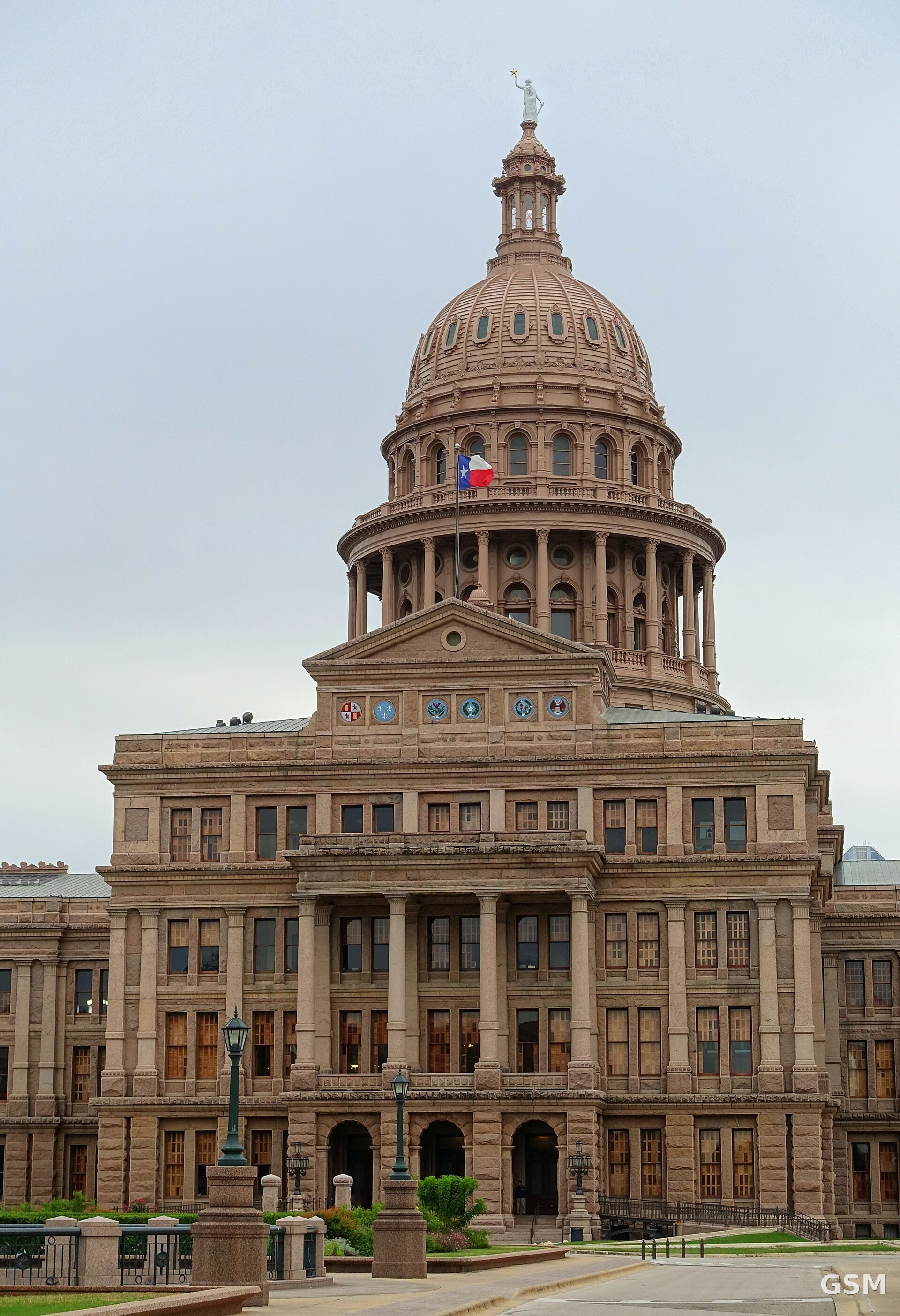
The law at issue is House Bill 1181, enacted by the Texas Legislature in 2023 in Austin, Travis County, Texas. It applies to commercial websites that knowingly publish or distribute material more than one-third of which is sexual material harmful to minors, and requires them to use reasonable methods to verify that a visitor is 18 or older, including government-issued identification or a commercially reasonable method relying on public or private transactional data. A covered entity that knowingly violates the law may be enjoined by the attorney general and faces civil penalties of up to $10,000 per day of noncompliance.
The Free Speech Coalition and other representatives of the pornography industry sued, arguing that requiring adults to prove their age before accessing protected speech violates the First Amendment’s Free Speech Clause and should face strict scrutiny. The district court blocked the law; the Fifth Circuit viewed it as a regulation of distributing to minors material that is obscene for minors, applied rational-basis review, and upheld it.
Writing for the majority, Justice Clarence Thomas reasoned that states have long had the power to prevent minors from accessing sexual content that is obscene as to them, and that this power necessarily includes the power to require proof of age before an individual can access such speech. Adults have a right to access the content but no First Amendment right to avoid age verification, so the burden on adults is incidental and intermediate scrutiny applies. Under that standard, the law advances Texas’s important interest in shielding children from sexual content and is adequately tailored to it, and the verification methods it permits are established and legitimate. Applying strict scrutiny, the majority added, would call into question all age-verification requirements, including longstanding in-person ones. Chief Justice John Roberts and Justices Samuel Alito, Neil Gorsuch, Brett Kavanaugh, and Amy Coney Barrett joined the majority.
Justice Elena Kagan dissented, arguing that the law regulates speech based on its content and burdens adults’ access to protected speech, and so should have been reviewed under strict scrutiny. Justices Sonia Sotomayor and Ketanji Brown Jackson joined the dissent.
The Court affirmed the Fifth Circuit, and the Texas age-verification law remains in effect. The case is No. 23-1122 and was argued on January 15, 2025.
(Source: Supreme Court of the United States)
Source: Supreme Court of the United States
Published by GSM · USA (original Chinese edition)
Photo: 图:位于德克萨斯州特拉维斯县 Austin 的德州议会大厦,涉案法律 HB 1181 由德州议会在此通过。Daderot 摄,CC0,经 Wikimedia Commons。 / Photo: The Texas State Capitol in Austin, Travis County, Texas, where the Texas Legislature passed H.B. 1181, the law at issue. Photo by Daderot, CC0, via Wikimedia Commons.