Trump Signs Homelessness Executive Order: Encampment Clearance and Expanded Civil Commitment, Federal Grants to Favor Enforcing Cities
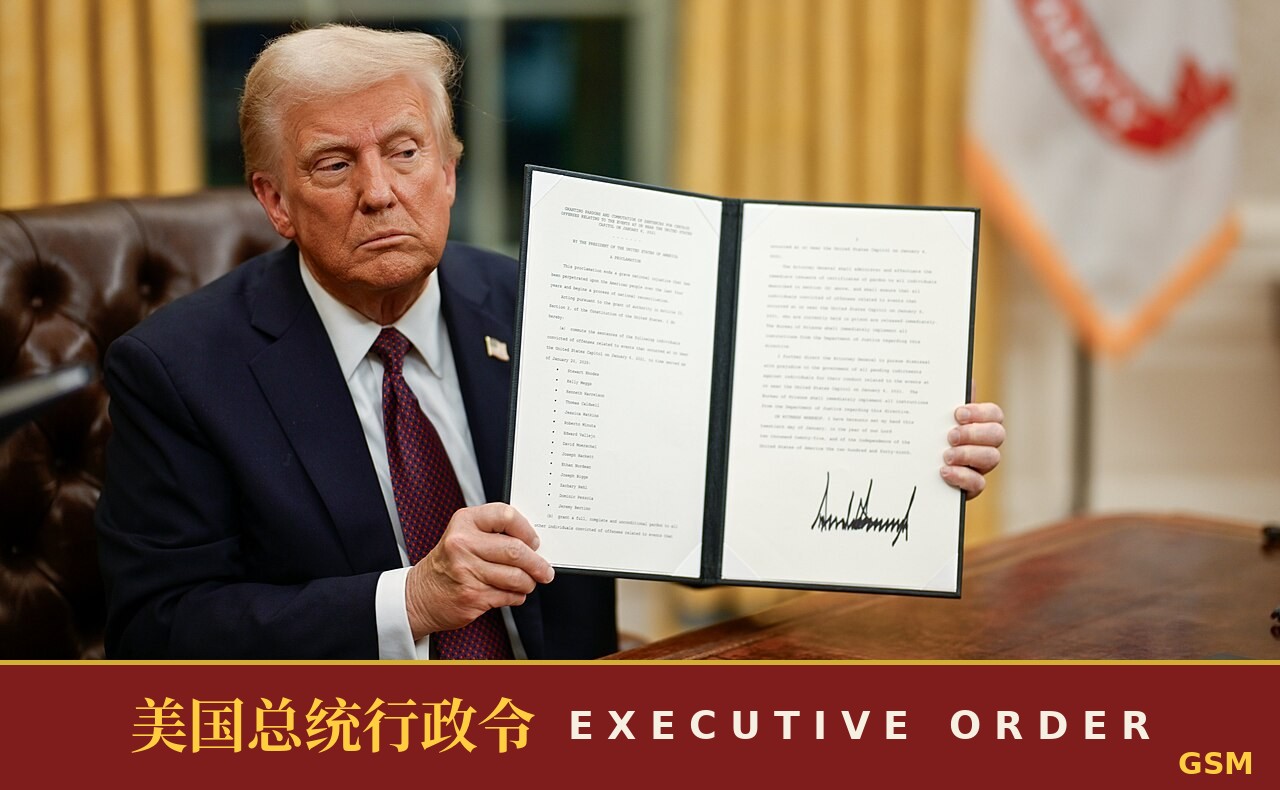
On July 24, 2025, President Donald J. Trump signed Executive Order 14321, "Ending Crime and Disorder on America's Streets," at the White House, setting a new federal direction on homelessness: expanding state use of civil commitment for people living on the streets, prioritizing federal grants for states and cities that strictly enforce bans on camping, open drug use and squatting, and ending federal support for "housing first" policies.
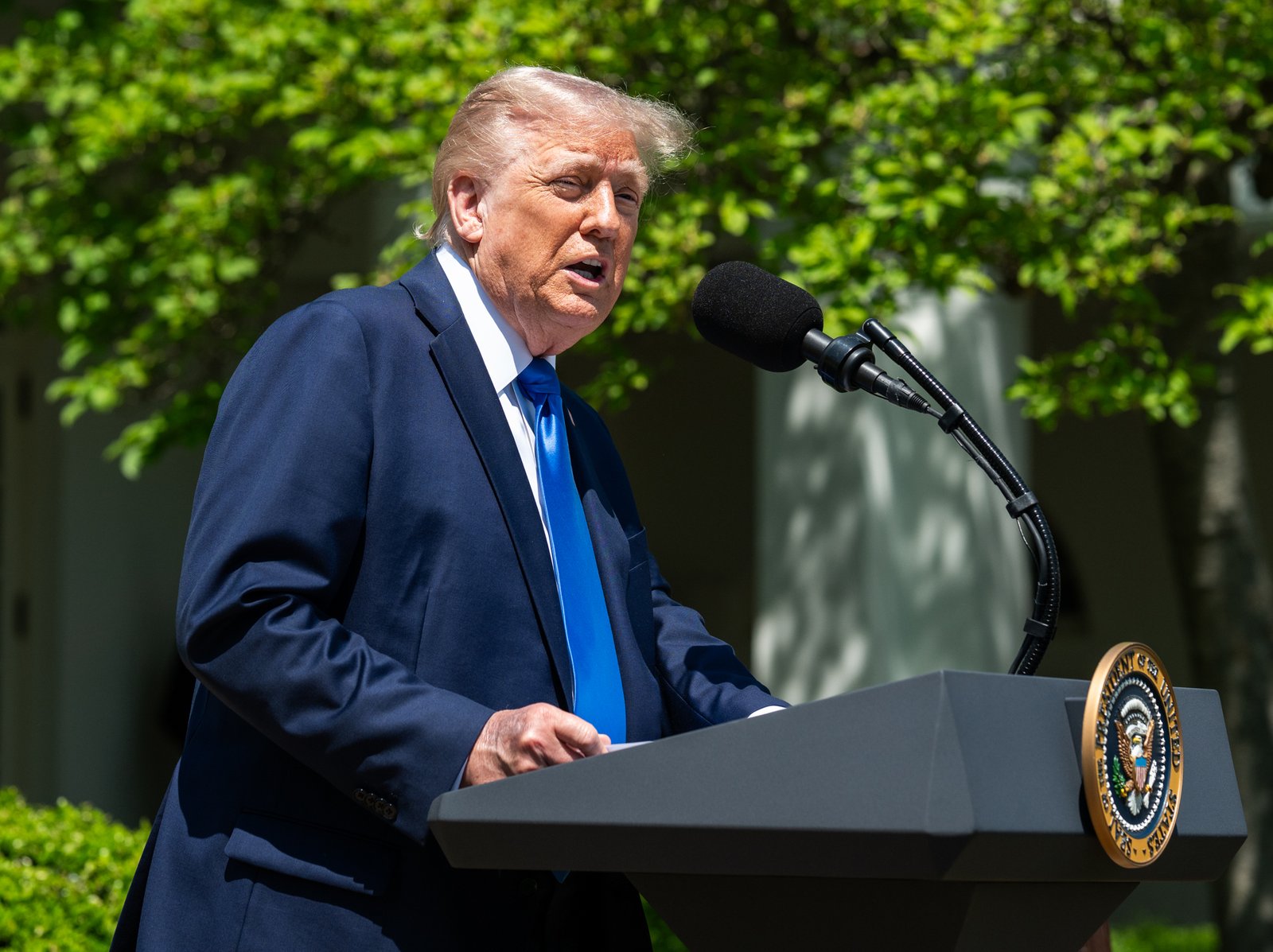
The order opens by declaring that endemic vagrancy, disorderly behavior, sudden confrontations and violent attacks have made American cities unsafe. It cites a figure of 274,224 people living on the streets on a single night during the last year of the previous administration — the highest ever recorded — and states that the overwhelming majority of these individuals are addicted to drugs, have a mental health condition, or both; nearly two-thirds of homeless individuals report having regularly used hard drugs such as methamphetamines, cocaine or opioids in their lifetimes, and an equally large share reported mental health conditions. The order says the Federal Government and the States have spent tens of billions of dollars on failed programs that address homelessness but not its root causes. "Shifting homeless individuals into long-term institutional settings for humane treatment through the appropriate use of civil commitment will restore public order," the order states.
On civil commitment, the order directs the Attorney General, in consultation with the Secretary of Health and Human Services, to seek the reversal of federal or state judicial precedents and the termination of consent decrees that impede civil commitment, and to assist state and local governments — through technical guidance, grants or other legally available means — in adopting maximally flexible civil commitment, institutional treatment and "step-down" standards for people with mental illness who pose a danger to others or who are living on the streets and cannot care for themselves.
On street enforcement and funding conditions, the Attorney General and the Secretaries of Health and Human Services, Housing and Urban Development, and Transportation must assess their discretionary grant programs and, to the maximum extent permitted by law, prioritize grantees in states and municipalities that actively: enforce prohibitions on open illicit drug use; enforce prohibitions on urban camping and loitering; enforce prohibitions on urban squatting; address individuals who are a danger to themselves or others, or living on the streets unable to care for themselves, through assisted outpatient treatment or civil commitment into treatment centers or other appropriate facilities; and substantially comply with sex offender registration and notification obligations, including mapping and checking the location of homeless sex offenders. The Attorney General must also ensure homeless individuals arrested for federal crimes are evaluated under 18 U.S.C. 4248 to determine whether they are sexually dangerous persons subject to civil commitment; make Emergency Federal Law Enforcement Assistance funds available to support encampment removal where public safety is at risk and local resources are inadequate; and assess federal resources so detainees with serious mental illness are not released into the public for lack of forensic bed capacity.
On redirecting resources, the Department of Health and Human Services must ensure that Substance Abuse and Mental Health Services Administration grants fund evidence-based programs and do not fund programs that fail to achieve adequate outcomes, including so-called "harm reduction" or "safe consumption" efforts; provide technical assistance to assisted outpatient treatment programs to shift individuals off the streets and public programs into private housing and support networks; and ensure federal funds for Federally Qualified Health Centers and Certified Community Behavioral Health Clinics reduce rather than promote homelessness. The Attorney General must prioritize funding to expand drug courts and mental health courts.
On accountability, the Secretaries of Health and Human Services and of Housing and Urban Development must end support for "housing first" policies, which the order says deprioritize accountability and fail to promote treatment, recovery and self-sufficiency; broaden the applicant pool to increase competition among grantees; and hold grantees to higher standards of effectiveness in reducing homelessness and increasing public safety. HUD must require recipients of federal housing and homelessness assistance to increase requirements that participants with substance use disorder or serious mental illness use substance abuse treatment or mental health services as a condition of participation. For recipients that operate drug injection sites or "safe consumption sites," knowingly distribute drug paraphernalia, or permit the use or distribution of illicit drugs on property under their control, the Attorney General must review whether they are in violation of federal law, including 21 U.S.C. 856, and bring civil or criminal actions in appropriate cases, while HUD, in coordination with the Attorney General, reviews program violations and freezes assistance as appropriate. HUD must also revise regulations to allow federally funded programs to exclusively house women and children and to stop sex offenders who receive homelessness assistance from being housed with unrelated children; funding recipients may be required to collect health-related information from the people they serve and to share that data with law enforcement in circumstances permitted by law, to provide appropriate medical care or connect people to public health resources.
The order states that it is to be implemented consistent with applicable law and subject to the availability of appropriations, and that it is not intended to create any enforceable right or benefit. In a fact sheet issued the same day, the White House said the order would restore order to American cities, remove vagrant individuals from the streets, and redirect federal resources toward programs that tackle substance abuse and toward civil commitment.
Advocacy groups objected the day the order was signed. The National Homelessness Law Center issued a statement on July 24 condemning the order, arguing it "deprives people of their basic rights and makes it harder to solve homelessness." Jesse Rabinowitz, the center's campaign and communications director, called it "one of the worst actions to impact folks living outside in decades" and said the center was working with attorneys across the country to challenge the order in court. Ann Oliva of the National Alliance to End Homelessness said in a statement that institutionalizing people with mental illness, including those experiencing homelessness, "is not a dignified, safe, or evidence-based way to serve people's needs."
Related: HUD Announces Voluntary Compliance Agreement With Multnomah County, Oregon
Published by GSM · USA (original Chinese edition)
Photo: GSM 行政令统一模板(美国总统行政令)