Federal Circuit Rules 7-4 That IEEPA Tariffs Are Unlawful, Affirming the Trade Court

On August 29, 2025, the U.S. Court of Appeals for the Federal Circuit, sitting in Washington, D.C., ruled en banc by a vote of 7 to 4 to affirm the U.S. Court of International Trade, holding that the "trafficking tariffs" and "reciprocal tariffs" imposed by President Donald Trump under the International Emergency Economic Powers Act (IEEPA) exceeded the authority that statute delegates to the President and are unlawful. The court also vacated the trade court's universal permanent injunction and remanded the question of the injunction's scope for reconsideration.
The case was brought by two sets of plaintiffs: five U.S. small businesses led by V.O.S. Selections, Inc., and twelve states led by Oregon. At issue were five executive orders resting on IEEPA (Executive Orders 14193, 14194, 14195, 14257, and 14266), including the "trafficking tariffs" of 25 percent on Canadian goods (10 percent for energy products), 25 percent on Mexican goods, and 10 percent on Chinese goods, and the "reciprocal tariffs" imposing a 10 percent baseline rate on nearly all trading partners plus country-specific rates of 11 to 50 percent. The Court of International Trade had held the tariffs unlawful on May 28, 2025, and the government appealed.
In a per curiam opinion joined by seven judges, the Federal Circuit held that IEEPA's grant of authority to "regulate" importation does not include the power to impose tariffs; when Congress has delegated tariff authority in the past, it has done so expressly and with substantive and procedural limits, and IEEPA contains no such grant. The court also invoked the major questions doctrine, holding that the virtually unlimited tariff authority claimed by the government presents a major question requiring a clear statement from Congress, and that the doctrine applies to presidential action as it does to agency action. The court therefore affirmed the trade court's holding and its declaratory relief that the challenged orders are "invalid as contrary to law."
On remedy, the court vacated the trade court's universal permanent injunction against enforcement of the tariffs, in light of the Supreme Court's decision in Trump v. CASA, Inc. limiting universal injunctions, and remanded for the trade court to reevaluate the propriety and proper scope of injunctive relief after considering the four eBay factors and the Supreme Court's guidance. Judge Taranto filed a dissent joined by Chief Judge Moore and Judges Prost and Chen. Judge Cunningham filed additional views, joined by three other judges, concluding that IEEPA does not authorize the President to impose any tariffs at all. The opinions in the case total 127 pages.
The court stayed its judgment until October 14, 2025, to allow the federal government to seek review by the Supreme Court. Until then, the tariffs at issue remain in place as before. The case concerns only the five executive orders resting on IEEPA and does not address tariffs imposed under other statutory authorities.
Related: Trump Signs Executive Order 14326 Further Modifying Reciprocal Tariff Rates, Effective August 7
Source: U.S. Court of Appeals for the Federal Circuit
Published by GSM · USA (original Chinese edition)
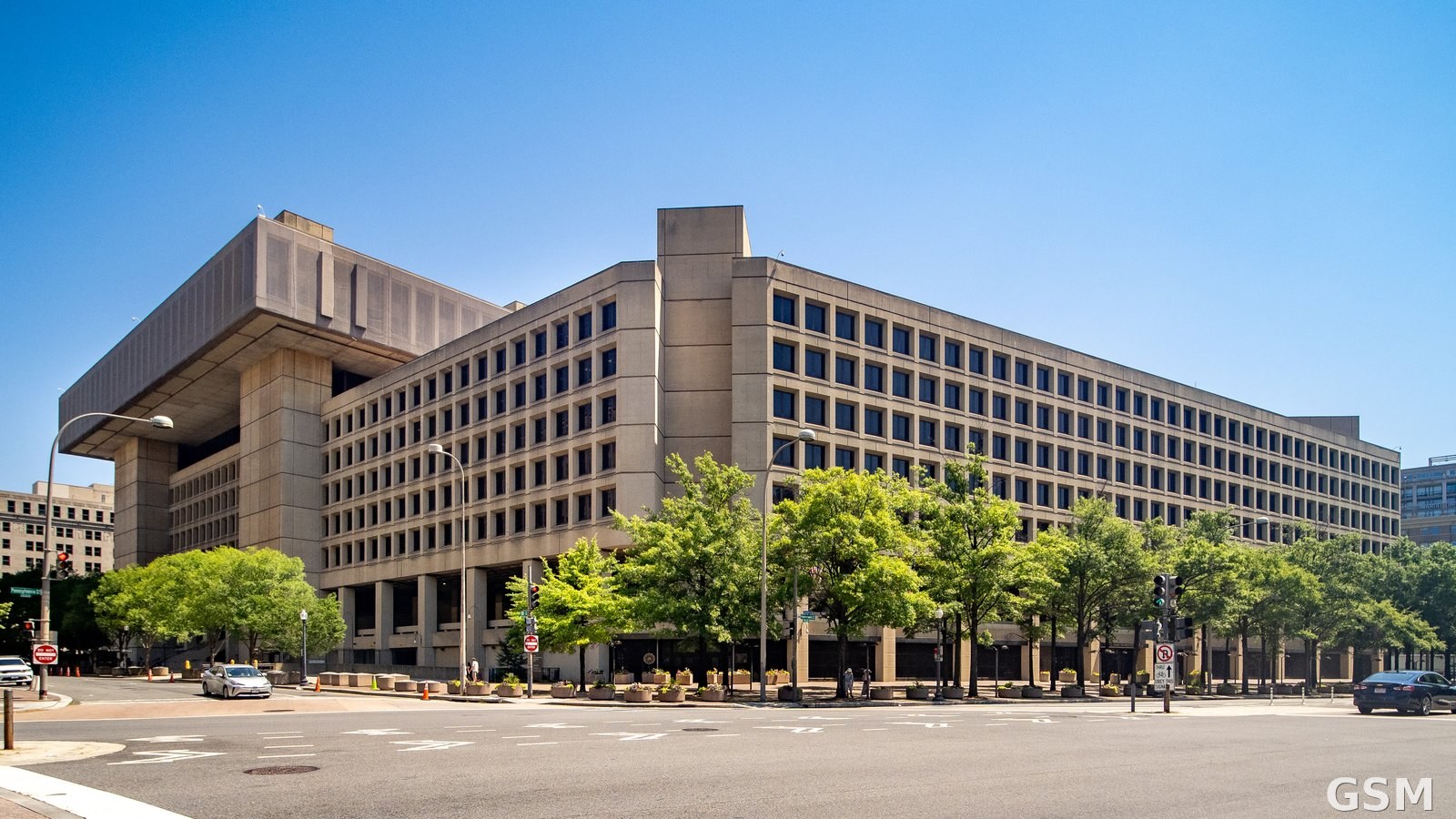
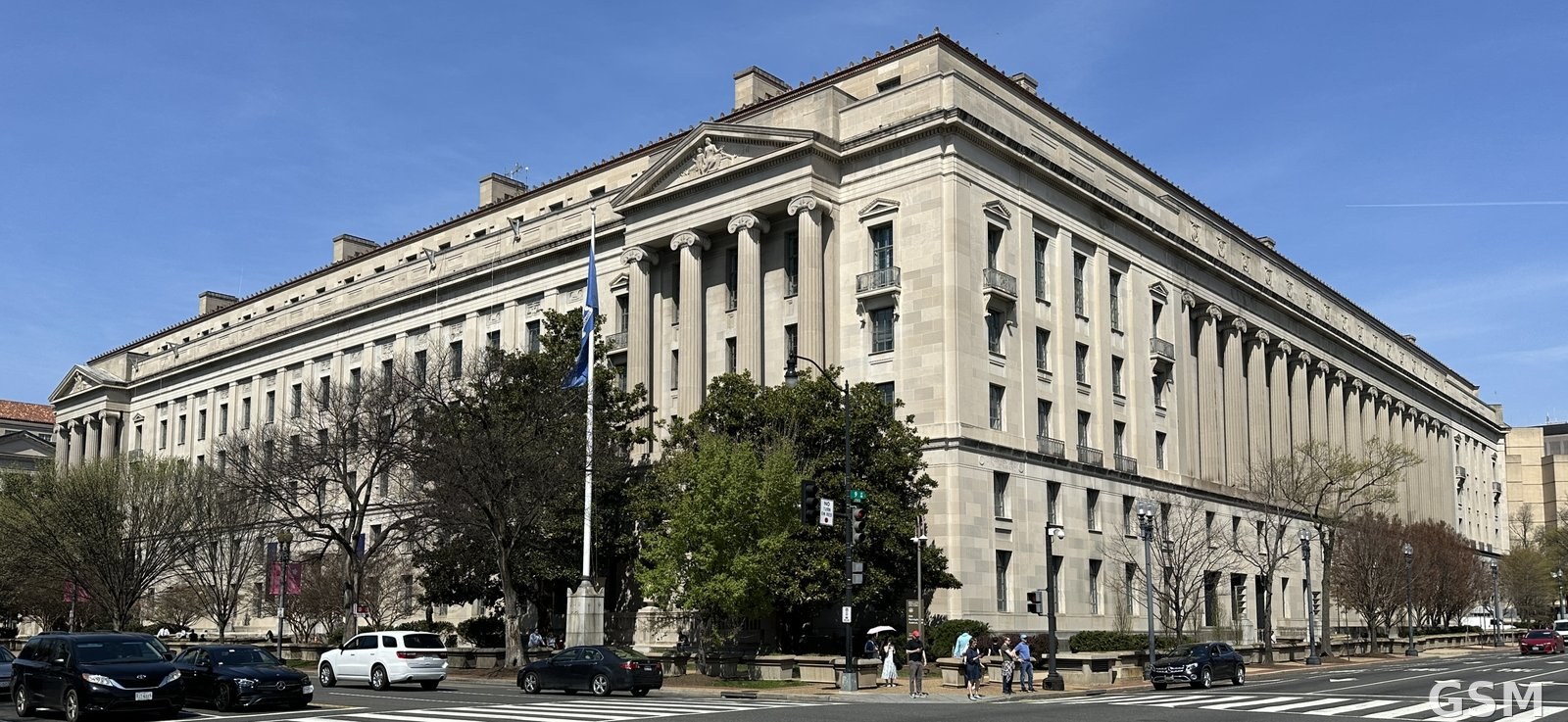
Photo: 图:位于华盛顿的 Howard T. Markey 国家法院大楼正立面,联邦巡回上诉法院所在地。APK 摄,CC BY-SA 4.0,经 Wikimedia Commons。 / Photo: The Howard T. Markey National Courts Building in Washington, D.C., home of the U.S. Court of Appeals for the Federal Circuit. Photo by APK, CC BY-SA 4.0, via Wikimedia Commons.