Trump Writes to NATO Nations: Stop Buying Russian Oil First, Then the US Will Impose Major Sanctions
On September 13, 2025, President Donald Trump published on his Truth Social platform the text of a letter to all NATO nations and the world, saying he was ready to impose major sanctions on Russia only when all NATO nations had agreed and started to do the same thing, and when all NATO nations stopped buying oil from Russia.
In the letter, Trump wrote that NATO's commitment to winning the war had been far less than 100 percent, and that the purchase of Russian oil by some nations was shocking and greatly weakened NATO's negotiating position and bargaining power over Russia. He said he was ready to go as soon as the allies were, and asked them to say when.
He also proposed that NATO, as a group, place tariffs of 50 to 100 percent on Chinese goods, to remain in place until the war ended. He said China had a strong control, and even grip, over Russia, and that such tariffs would break that grip and help end the war.
The letter came days after multiple Russian drones entered the airspace of NATO member Poland and were shot down by NATO jets. Last month Trump doubled tariffs on Indian goods to 50 percent over India's continued purchases of Russian energy. Treasury Secretary Scott Bessent and U.S. Trade Representative Jamieson Greer spoke with G7 finance ministers on September 12 and pressed them to impose tariffs on countries buying Russian oil, saying only a unified effort to cut off Russia's revenues would end the war.
Chinese Foreign Minister Wang Yi said in Slovenia on September 13 that China does not participate in or plan wars, and that what China does is encourage peace talks and promote political settlement of hotspot issues through dialogue.
(Source: President Donald Trump)
Source: President Donald Trump
Published by GSM · USA (original Chinese edition)
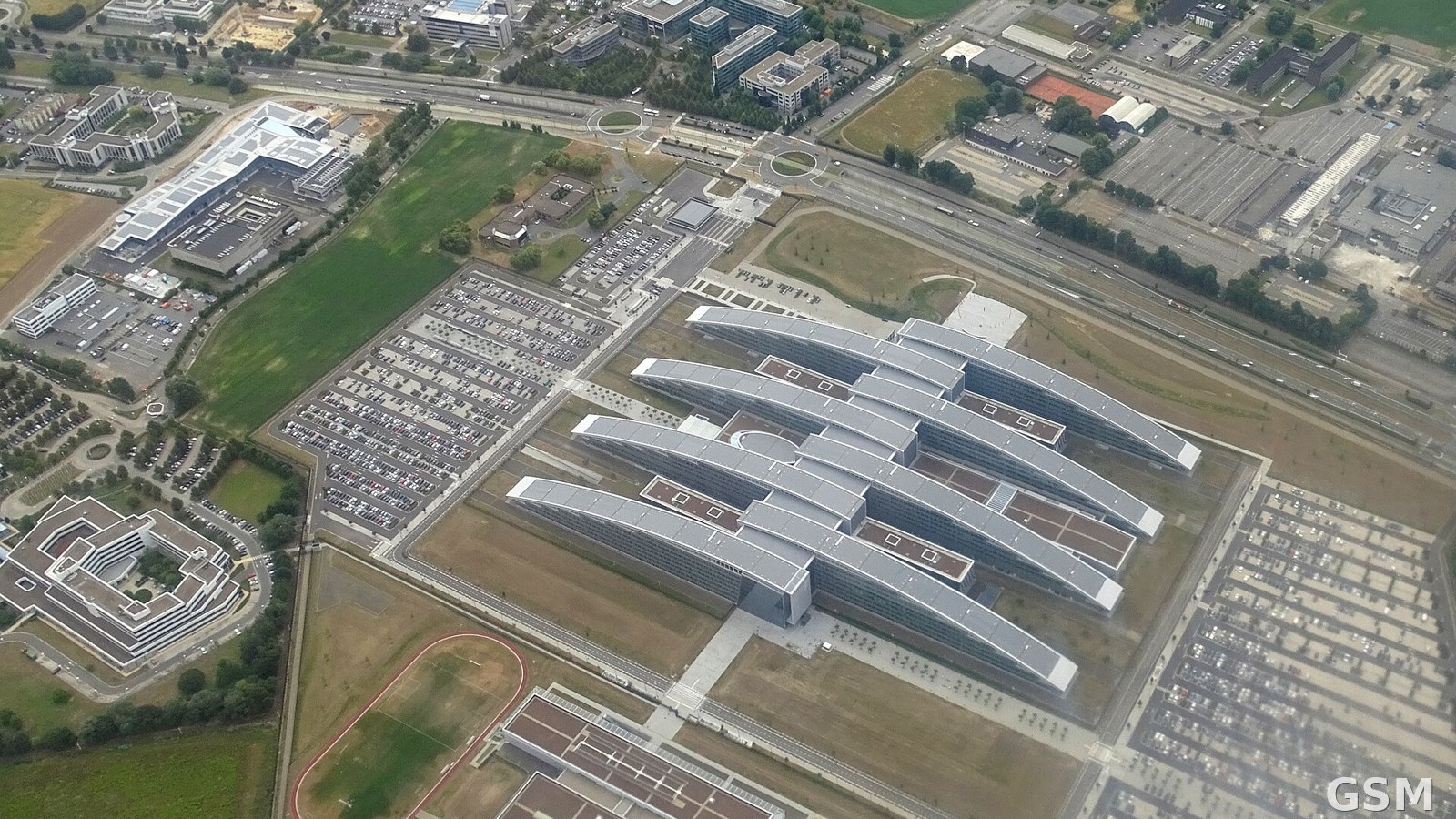
Photo: 图:位于比利时布鲁塞尔的北约总部航拍(资料图)。Ad Meskens 摄,CC BY-SA 4.0,经 Wikimedia Commons。 / Photo: Aerial view of NATO Headquarters in Brussels, Belgium (file photo). By Ad Meskens, CC BY-SA 4.0, via Wikimedia Commons.