U.S. Supreme Court Hears Nearly Three Hours of Argument on Trump's Tariff Authority as Justices Press on the Limits of Presidential Power
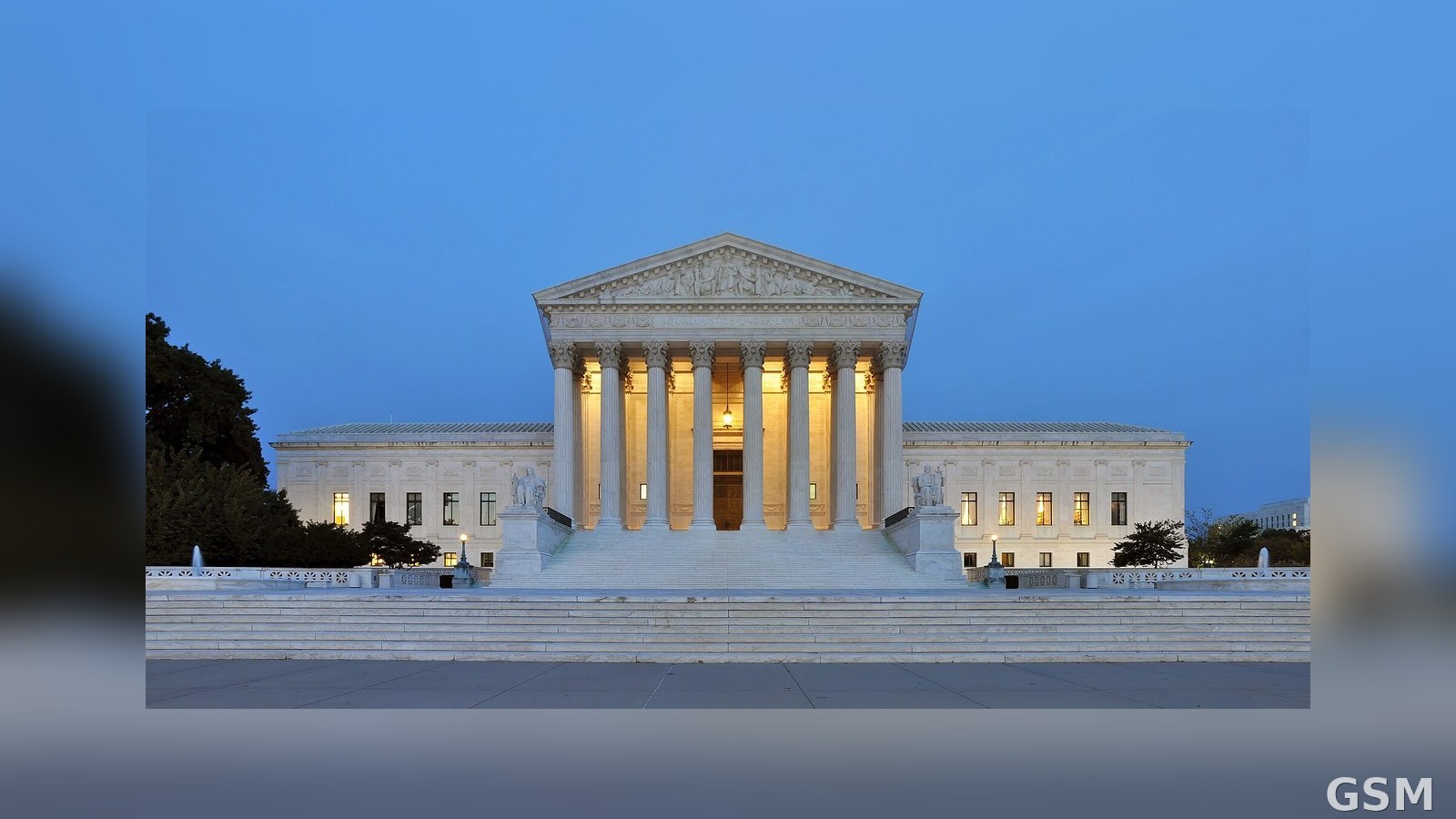
On November 5, 2025, the U.S. Supreme Court in Washington heard oral argument on whether the Trump administration lawfully imposed tariffs under the International Emergency Economic Powers Act (IEEPA). Two consolidated cases were heard: Learning Resources, Inc. v. Trump, No. 24-1287, and Trump v. V.O.S. Selections, Inc., No. 25-250. Scheduled for 80 minutes, the argument ran from 10:04 a.m. to 12:44 p.m., a total of two hours and 40 minutes.
Solicitor General D. John Sauer, arguing for the federal government, said the phrase "regulate importation" in IEEPA plainly embraces tariffs, that the tariffs are regulatory rather than revenue-raising, that any revenue is only incidental, and that the major questions doctrine does not apply.
Neal K. Katyal, arguing for the private challengers, said the House and Senate reports on IEEPA list its powers and none of them involves tariffs. Justice Elena Kagan said at the argument that the power to impose taxes and the power to regulate foreign commerce are quintessential Article I powers of Congress, not Article II powers of the President.
Several justices pressed the government's position in questioning. Justice Neil Gorsuch said that if the President can veto a joint resolution terminating an emergency, Congress as a practical matter cannot get the power back once handed over, creating a one-way ratchet toward the executive branch. Chief Justice John Roberts noted that the Dames & Moore decision the government relied on went out of its way to call itself a very narrow decision. Justice Amy Coney Barrett asked how reimbursements would work if the government won, and whether the process would be a complete mess. Justices Ketanji Brown Jackson and Brett Kavanaugh also raised the legislative history and the fact that no earlier president had used IEEPA to impose tariffs.
The tariffs at stake include 25 percent duties on most Canadian and Mexican imports and 10 percent duties on most Chinese imports imposed over drug trafficking, and reciprocal tariffs of at least 10 percent on imports from all trading partners imposed over trade deficits. The Court did not rule from the bench; a decision will be announced later.
Related: Flight Cuts at 40 Busy U.S. Airports Take Effect November 7 During Shutdown, Rising From 4% to 10%
Source: Supreme Court of the United States
Published by GSM · USA (original Chinese edition)
Photo: 图:美国最高法院大楼黄昏全景(资料照片)。Joe Ravi摄,CC BY-SA 3.0,经Wikimedia Commons;联邦固定图库同源图。 / Photo: The U.S. Supreme Court building at dusk (file photo). By Joe Ravi, CC BY-SA 3.0, via Wikimedia Commons; federal fixed image library image.