Paxful Sentenced to $4 Million Criminal Penalty for Knowingly Moving Money for Criminals
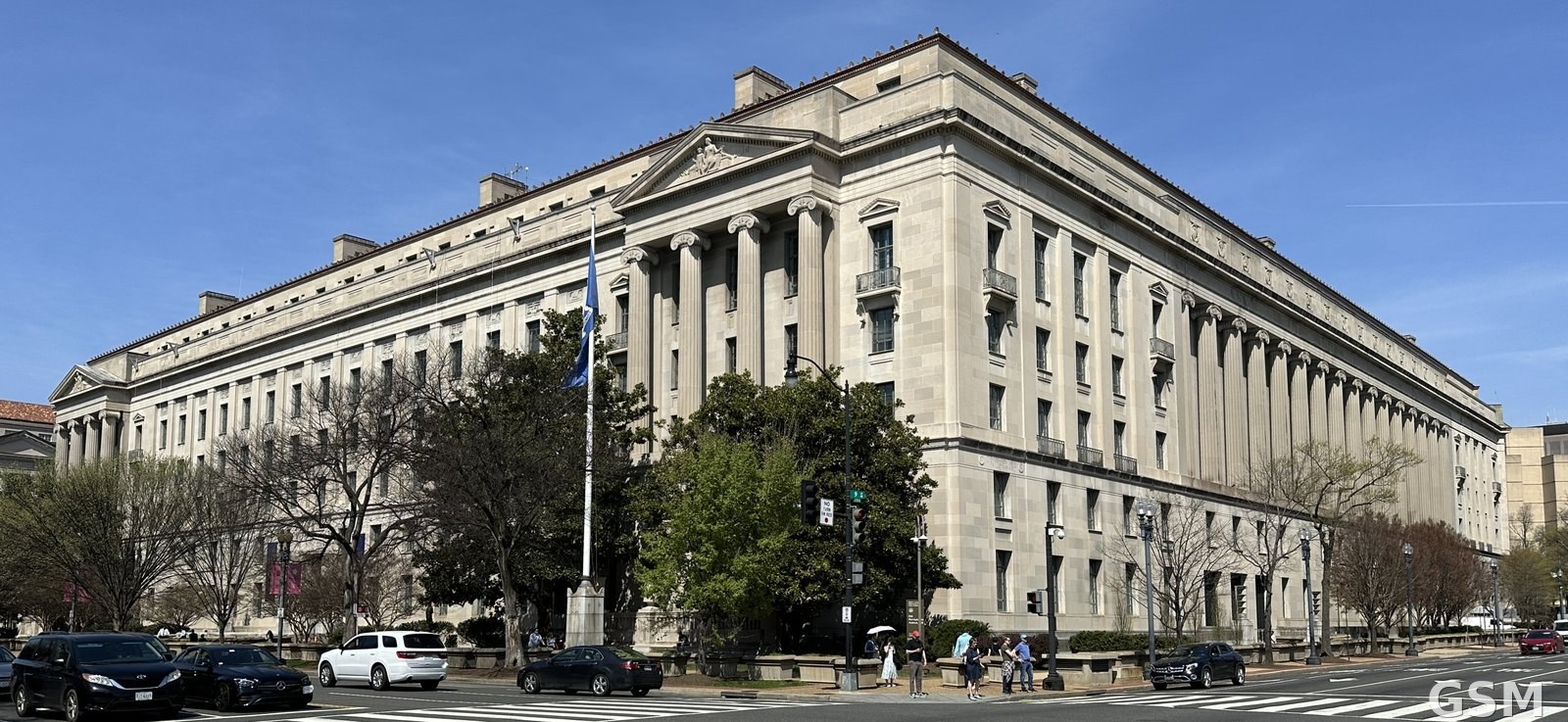
On February 11, 2026, the U.S. Department of Justice announced that Paxful Holdings Inc., an online peer-to-peer virtual currency trading platform, had been sentenced the day before to pay a $4 million criminal penalty, based on its ability to pay. Paxful had pleaded guilty to conspiracies to promote illegal prostitution, violate the Bank Secrecy Act, and knowingly transmit funds derived from criminal offenses, in a case heard in the U.S. District Court for the Eastern District of California in Sacramento, in Sacramento County, California.
Assistant Attorney General A. Tysen Duva of the Justice Department's Criminal Division said Paxful profited from moving money for criminals that it attracted by touting its lack of anti-money laundering controls and failure to comply with applicable money-laundering laws, all while knowing that these criminals were engaged in fraud, extortion, prostitution and commercial sex trafficking. U.S. Attorney Eric Grant for the Eastern District of California said the company put profit over compliance and enabled money laundering and other crimes.
According to court documents, from January 1, 2017, to September 2, 2019, Paxful facilitated more than 26.7 million trades, totaling nearly $3 billion in value, and collected more than $29.7 million in revenue. Paxful knew that its customers transmitted funds from criminal offenses, including fraud schemes and illegal prostitution, including transfers for Backpage, an online advertising platform for illicit prostitution, and similar sites: between December 2015 and December 2022, nearly $17 million worth of bitcoin was transferred from Paxful wallets to Backpage and a copycat site, from which Paxful obtained at least $2.7 million in profits, and its founders boasted about the resulting 'Backpage Effect' on the business.
As described in the plea agreement, from July 2015 to June 2019, Paxful marketed itself as a platform that did not require know-your-customer information, presented fake anti-money laundering policies to third parties that it knew were not implemented or enforced, and failed to file suspicious activity reports despite knowing that its users were engaged in suspicious and criminal activity. The Justice Department said the platform was used to transfer the proceeds of fraud schemes and illegal prostitution, hacks by malign state actors, and the distribution of child sexual abuse material.
According to court documents, Paxful agreed that the appropriate criminal penalty based on the law and the facts was $112,500,000, but the Justice Department's independent analysis determined that Paxful did not have the ability to pay more than $4 million. Paxful co-founder and former chief technology officer Artur Schaback pleaded guilty on July 8, 2024, to conspiracy to fail to maintain an effective anti-money laundering program. According to the Financial Crimes Enforcement Network, the guilty plea was part of a coordinated resolution with FinCEN, which separately assessed a $3.5 million civil money penalty. Homeland Security Investigations and IRS Criminal Investigation investigated the case.
Source: U.S. Department of Justice
Published by GSM · USA (original Chinese edition)
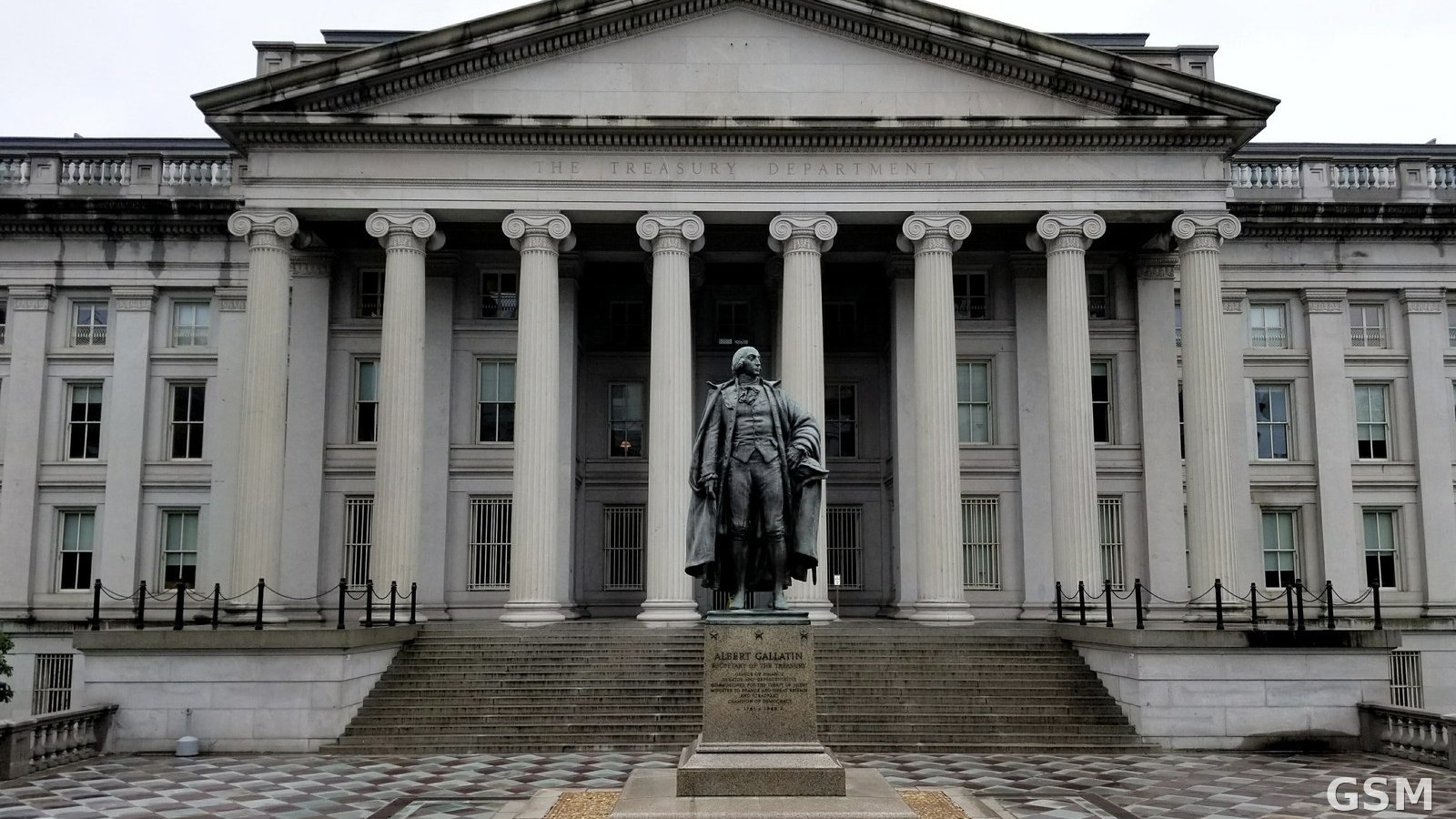
Photo: 图:位于美国华盛顿的美国财政部大楼(资料照片)。Sealy j 摄,CC BY-SA 4.0,经 Wikimedia Commons;联邦固定图库标准图。 / Photo: The U.S. Department of the Treasury building in Washington, D.C. (file photo). Photo by Sealy j, CC BY-SA 4.0, via Wikimedia Commons; federal fixed-library image.