
[Video] $75 Million Token Offerings Without Registration: SEC Proposes Regulation Crypto Assets and a First 'Graduation' Path for Tokens
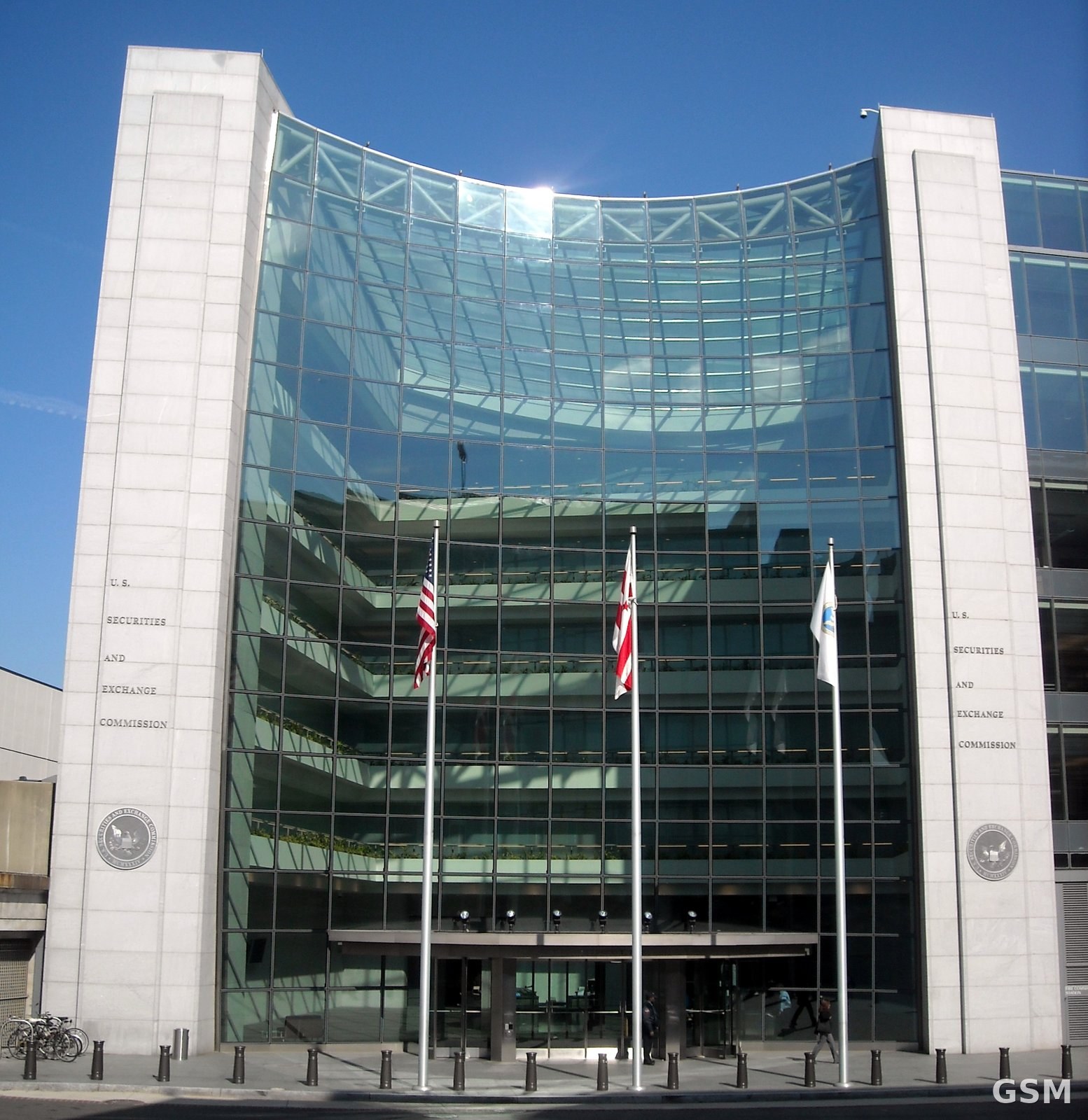
Washington — The U.S. Securities and Exchange Commission (SEC) on August 18, 2026, proposed a new rulebook titled "Regulation Crypto Assets," a tailored offering regime for "investment contracts" involving crypto assets. The roughly 400-page proposal was published in the Federal Register on August 21 (Release Nos. 33-11434 and 34-106150, File No. S7-2026-27). It is the SEC's first standalone notice-and-comment rulemaking written specifically for crypto asset offerings.
The immediate backdrop is a stalled Congress. The Digital Asset Market Clarity Act (CLARITY Act), which would divide jurisdiction between the SEC and the Commodity Futures Trading Commission (CFTC), passed the House in 2025 but fell short in the Senate on September 15, 2026, when a procedural cloture vote failed 49 to 50, leaving the legislative path blocked. Earlier, on March 17, 2026, the SEC and CFTC had jointly issued an interpretation establishing a five-category token taxonomy: "digital commodities" such as Bitcoin and Ether fall under the CFTC, payment stablecoins are supervised by banking regulators under the GENIUS Act, and tokens that are securities remain with the SEC. The August proposal is the SEC filling in the issuance side of the framework within its own jurisdiction.
The proposal creates two exemptions from registration under the Securities Act of 1933. The first, a "startup exemption," would let early-stage crypto projects raise up to $5 million over a four-year period, usable only once per crypto asset. Issuers would not have to provide financial statements; they would file a notice of reliance (Form NOR) before any covered transaction and publish principles-based narrative disclosures on their website under proposed Rule 103, covering the terms of the investment contract, the project and its tokenomics, key persons, and material risks. The antifraud and antimanipulation provisions of the federal securities laws would apply under both exemptions as usual.
The second, a "fundraising exemption" modeled in part on Regulation A, would be available on a recurring 12-month basis in two tiers. Tier 1 would permit up to $20 million, including no more than $6 million sold by affiliates, with unaudited financial statements. Tier 2 would permit up to $75 million, including no more than $22.5 million from affiliates, and would require financial statements prepared under U.S. GAAP and audited. Issuers must be organized in the United States, with a majority of officers or directors who are U.S. citizens or residents, more than half of their assets in the United States, and principal administration in the United States. Before any sale, an issuer must file a new offering statement on Form 1-CRYPTO and have it qualified by the SEC; afterwards it must file annual, semiannual, and current reports. Purchases by non-accredited investors would be capped at 10 percent of the greater of their annual income or net worth.
The proposal also includes a conditional safe harbor (proposed Rule 400): once an issuer has completed, or permanently ceased, all of the essential managerial efforts it represented or promised under an investment contract, makes no new such promises, and publicly files a certification and supporting analysis that the conditions are met, the investment contract would be deemed to have ended — the token "graduates" and is no longer treated as a security by virtue of that contract. Under proposed Rule 500, offers and sales made under the exemptions, as well as certain secondary-market transactions, would preempt state securities registration and qualification requirements, ending the need to register state by state.
"As we continue the Commission's efforts to provide clarity for crypto markets, and as Congress works to establish a lasting regulatory framework, Regulation Crypto Assets seeks to provide crypto asset entrepreneurs and market participants with clear pathways to raise capital under the federal securities laws," SEC Chairman Paul S. Atkins said in a statement on the day of the proposal. He added that Congress designed the securities laws to amplify, within specific guardrails, opportunities for entrepreneurs to innovate and build new products, and called the framework a key step in updating the rule books for the modern era and in onshoring innovation in crypto asset markets.
Commissioner Hester Peirce, in her statement supporting the proposal, noted that the exemptions and safe harbor "will not fit every model," and said the Commission wants public feedback during the sixty-day comment period so the rules can be tailored while protecting investors and market integrity. Commissioner Mark T. Uyeda said in his statement that the proposal would provide rules that crypto entrepreneurs and market participants can rely on, and recalled that starting on January 20, 2025, the Commission had moved away from regulation by enforcement and begun listening to the public. The proposal advanced with no public dissent inside the Commission: Caroline Crenshaw, its last Democratic member, departed in January 2026, and her seat remains vacant.
The public comment period closed on October 20, 2026. As of publication, the SEC has not issued a final rule, and the dollar limits, conditions, and forms in the proposal could still change before adoption; until a final rule takes effect, the existing offering rules remain in force. For token issuers based in the United States, including Chinese-American founders, the proposal — if adopted substantially as written — would for the first time give "digital commodity" tokens a written, onshore path to raise capital publicly through an exemption rather than through full registration or offshore structures.
Related: SEC Proposes Rule Allowing Advisers and Funds to Self-Custody Crypto Assets Under Set Conditions
Published by GSM · USA (original Chinese edition)
Photo: 图:位于华盛顿的美国证券交易委员会(SEC)总部大楼正门。摄影:AgnosticPreachersKid,CC BY-SA 3.0,来源:Wikimedia Commons / Photo: Front entrance of the U.S. Securities and Exchange Commission headquarters in Washington, D.C. Photo by AgnosticPreachersKid, CC BY-SA 3.0, via Wikimedia Commons