Hepatitis A Outbreak in Frozen Blood Clams Closed at 37 Sick and 30 Hospitalized; Importer Never Named
ATLANTA, Oct. 3 — The Centers for Disease Control and Prevention has closed a hepatitis A outbreak linked to frozen blood clams at 37 illnesses and 30 hospitalizations, according to a LexBlog review of the federal closing files. The importer was never named in the traceback documents, and no conclusion was published on how the virus entered the product.
Hepatitis A spreads through the fecal-oral route, and shellfish harvested from contaminated waters or handled by an infected worker can carry the virus. The incubation period is usually 15 to 50 days; symptoms include fatigue, nausea, jaundice and dark urine. Most patients recover fully, while older adults and people with chronic liver disease face a higher risk of severe illness. The CDC identifies vaccination as the most effective prevention, and a dose given within two weeks of exposure can work as post-exposure prophylaxis.
The case closed in the same week as the record Cyclospora investigation (12,883 sick) and a jalapeño Salmonella outbreak (488 sick). In all three, investigators identified the food or a supply-chain node but published no route of contamination, a pattern food safety lawyers say makes lot-level traceback records the key document buyers can demand at the purchasing stage.
Long-standing regulator advice on shellfish applies here: cook shellfish thoroughly — freezing suppresses but does not kill the virus — and keep import and lot labels when buying frozen product in bulk so batches can be checked immediately when an outbreak posts. For restaurants, supplier credentials and lot records are the key evidence when responsibility is apportioned in cases like this.
Source: LexBlog weekend wrap-up, Oct. 3, citing the CDC closing notice.
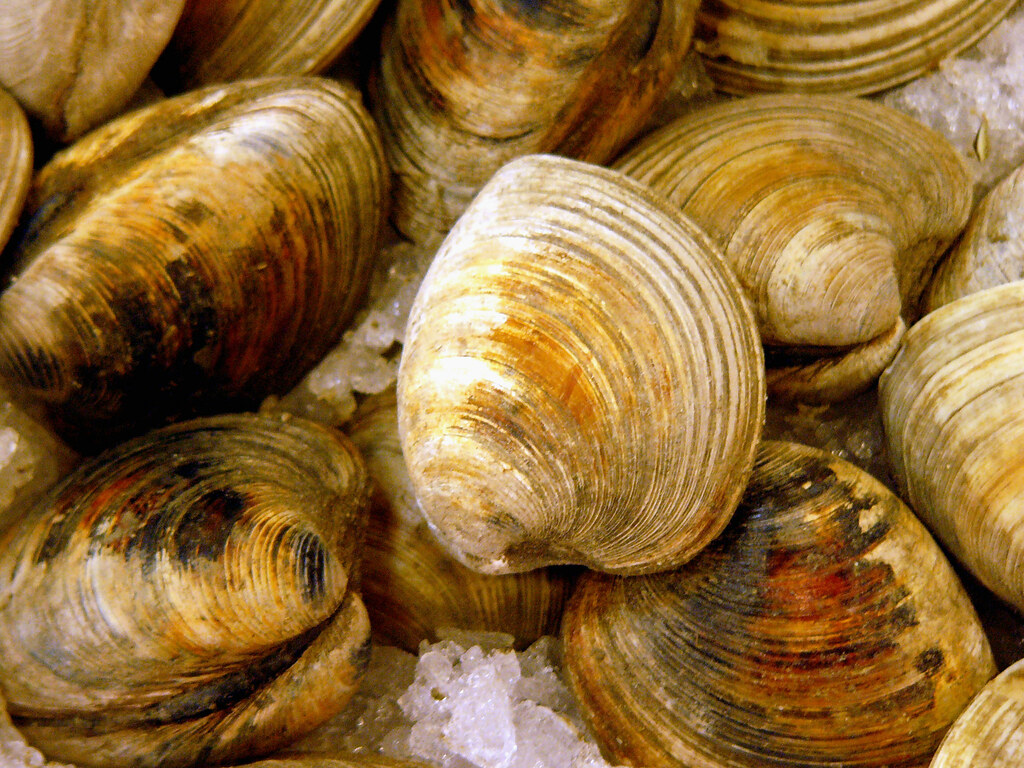
Photo: Clams — Kathleen Tyler Conklin / CC BY 2.0 (via Openverse)
Published by GSM · USA (original Chinese edition)
Photo: Clams — Kathleen Tyler Conklin / CC BY 2.0 (via Openverse)