How to Choose a Church: Five Pitfall Checks for Chinese Americans Looking for a Congregation

For many Chinese Americans, the search for a church starts with a friend's recommendation or one moving service, followed by a quick decision to join, be baptized, or begin giving large amounts. Choosing a church is not like choosing a restaurant, and worship atmosphere is only part of the picture. A congregation can shape your schedule, family life, friendships, money, and even personal safety. GSM offers five practical checks. We do not tell anyone what to believe; we help readers see whether a church is transparent, whether its leaders are accountable, and whether the community is healthy.
1. Start with the foundation: what does this church actually teach?
Look for a public statement of faith, constitution, or clear explanation of the church's tradition and core teachings. A steadier sign is preaching that explains Bible passages in context, teaching that can be examined, and pastors who recognize the limits of their own interpretations. Be cautious when a leader's words, prophecies, or personal revelations are placed above the Bible, when the leader is presented as the only channel of truth, or when normal questions are silenced with warnings that disobedience will cost you God's blessing. If a group will not say plainly what it believes and depends mostly on one person's charisma, slow down.
2. Check the pastor's background: who leads, and who can hold them accountable?
It is reasonable to ask about the senior pastor's theological training, ordination, ministry experience, and the church's form of governance. Healthy churches usually have elders, a board, or another governing body; clear procedures for misconduct, financial problems, or moral failures; and some form of denominational, associational, or outside accountability. Red flags include one leader controlling preaching, staffing, and money with no published governing body, no room for questions, and an insistence that members "not judge" when problems arise. The point is not the biggest title. It is whether the background can be verified, power is shared, and the leader can be corrected.
3. Follow the money: is giving transparent and voluntary?
Many U.S. churches are 501(c)(3) nonprofits, but tax-exempt status alone does not prove financial health. Ask whether the church can provide a budget or financial summary, who reviews spending, how offerings are used, and how major projects are approved. Healthy signs include reviewed accounts, more than one person overseeing funds, and plain explanations to the congregation. Red lines include promises that giving will bring wealth, healing, or special blessings; treating a fixed percentage as a condition for God's favor; asking for proof of income and publicly comparing amounts; or directing money to a leader's personal account. Giving should be voluntary. When you are still getting to know a church, it is wise to give modestly and slowly. No one should use shame or fear to rush your wallet.
4. Test the health of the community: does it make people freer or more controlled?
A healthy church encourages good family relationships, allows friendships inside and outside the congregation, and makes room for questions, doubts, and a peaceful departure. Notice whether ordinary members can talk about work, rest, and family, and whether leaders are respected as people rather than worshiped. Clear red flags include pressure to cut off relatives or friends, claims that leaving the church means betraying God, leader interference in marriage, dating, work, or medical choices, and teaching that sick people should pray instead of seeing a doctor or taking medicine. If meetings and service demands consume every free hour and leave you isolated, anxious, or afraid, pause. For children's and youth ministries, also ask about basic safeguards, rules for adult-child interactions, and where concerns about harm or misconduct can be reported.
5. Finally, check the practical fit: can your family sustain this rhythm?
Beyond belief, look at daily life. Is there a Chinese-language service, interpretation, translated materials, or a Chinese Bible study? Do service times and the commute make regular attendance realistic? Families may want to ask how children's ministry is staffed and kept safe. Newcomers may look for small groups, care networks, and practical community support. Do not decide from one special event, a powerful musical moment, or a friend's enthusiasm alone. Attend for several weeks, try a weekday group, and speak with pastors, ministry leaders, and ordinary members. Ask whether the drive is sustainable, whether your children are safe and at ease, and whether this community helps you love your family and live honestly, or makes you increasingly dependent on one leader.
Before deciding, use three closing questions: Is information public? Is the leader accountable to anyone? Can I ask questions, delay joining, or leave without fear? If two answers are no, slow down rather than rushing into membership, deep commitment, or major giving. GSM provides information and pitfall reminders only and does not recommend a specific church. Readers can compare congregations in the church directory on GSM's Faith page and decide gradually according to their own convictions and family circumstances.
Published by GSM · USA (original Chinese edition)
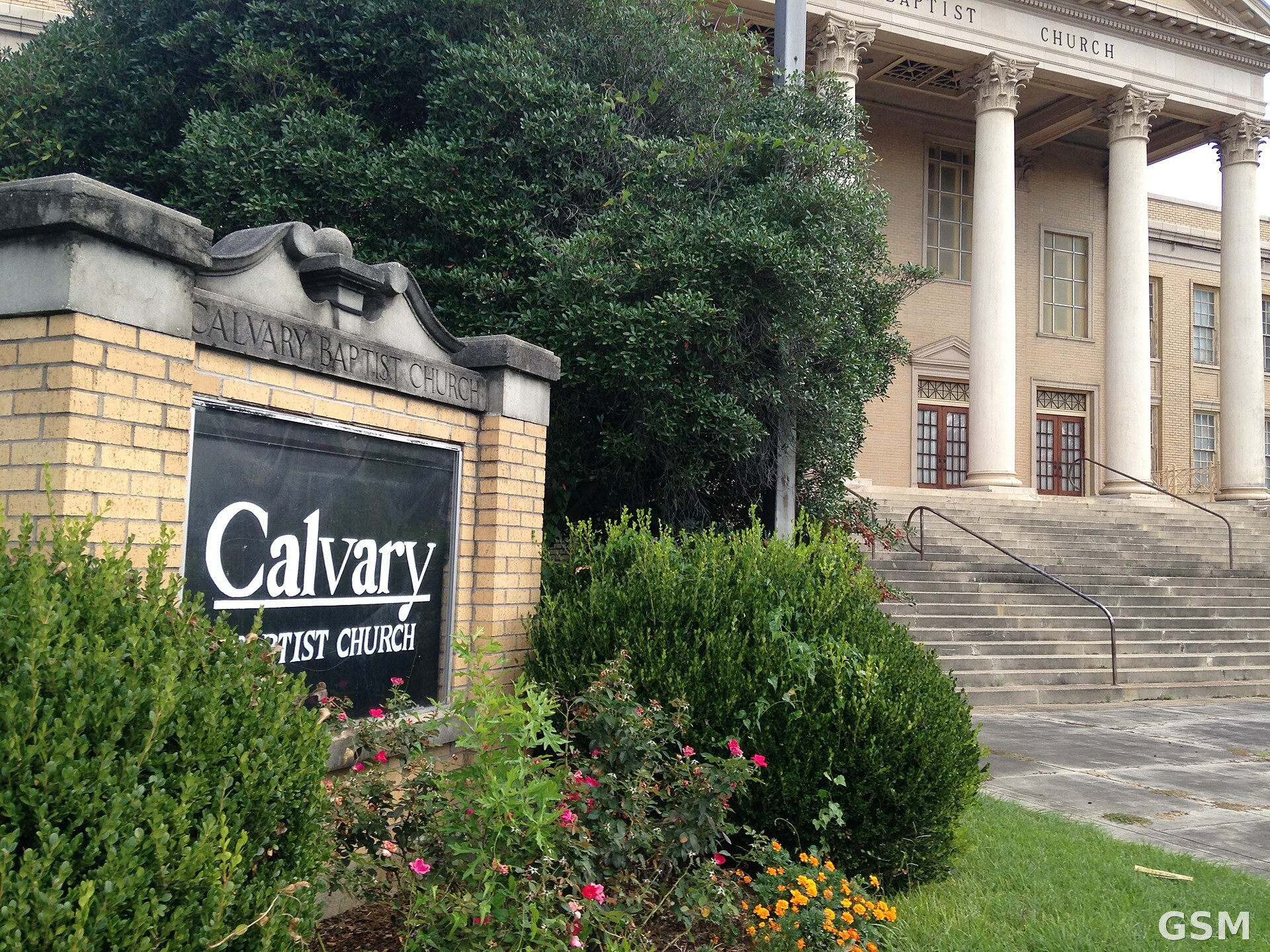
Photo: 图:旧金山华埠第一华人浸信会教堂(First Chinese Baptist Church)建筑(资料图)。摄影:BrokenSphere,CC BY-SA 4.0,来源:Wikimedia Commons