Terence Tao's Caltech Lecture 'Math 2.0': Entering an Era of Proof Abundance, Math Must Prize Explanation and Community
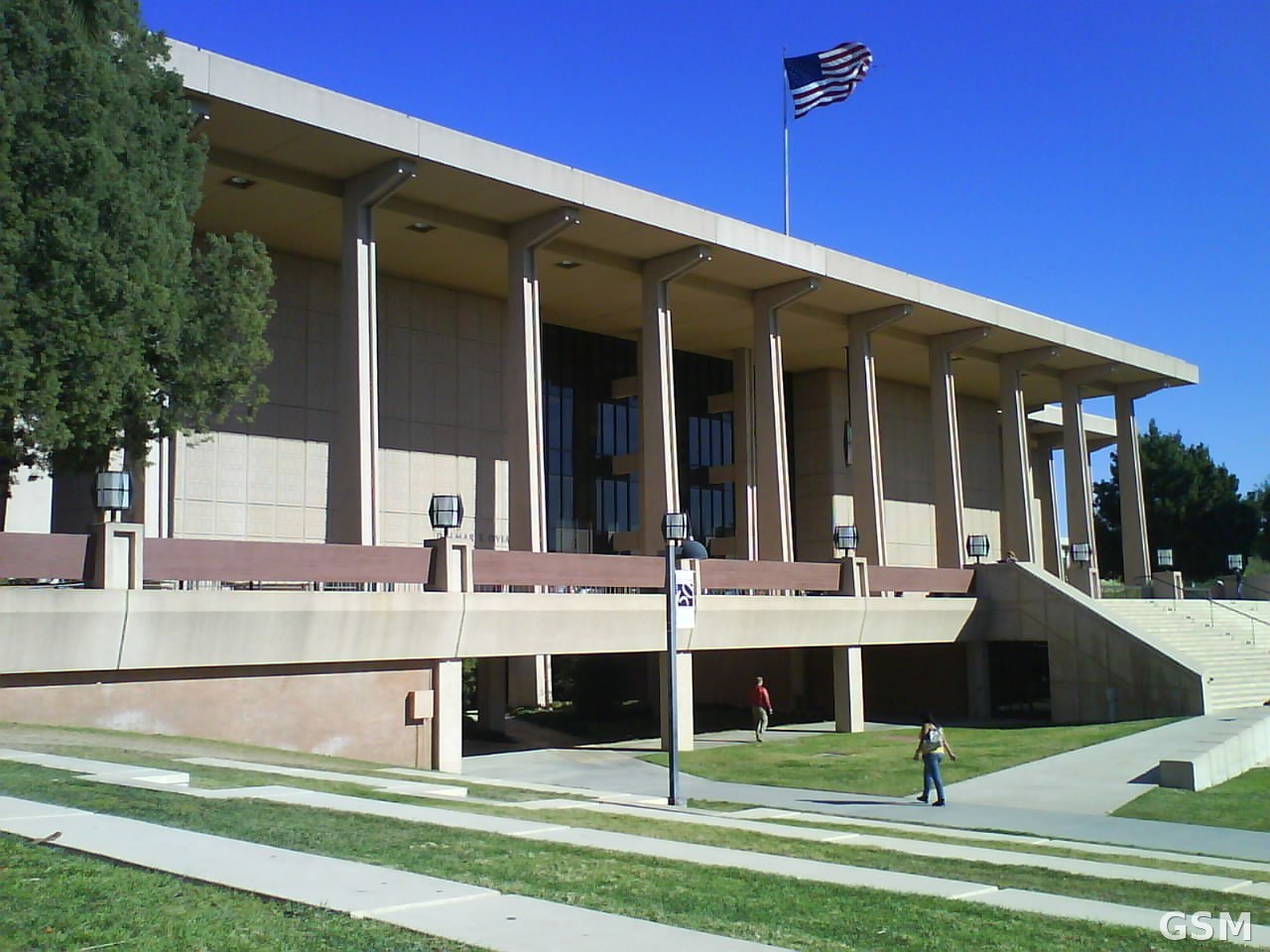
On the evening of October 9, from 7:00 to 8:30 p.m., UCLA mathematics professor Terence Tao gave a public lecture in Beckman Auditorium at the California Institute of Technology, as part of Caltech's AIM Public Lecture Series. Caltech's official event page still carries the talk's earlier title, "Machine Assisted Proof"; writing on his blog the next day, Tao explained that the lecture had been planned more than a year earlier, was first scheduled for May, and — after postponement to October and in light of recent events — had been substantially rewritten and retitled "Math 2.0." He posted the slides on his blog, What's new, on October 10.
The lecture's central claim is that mathematics is leaving behind an era of "proof scarcity" — his "Math 1.0" — in which a proof of an open problem was a rare achievement requiring deep human expertise. Because proofs are objectively verifiable and digitizable, and with interactive provers such as Lean available, frontier SI laboratories have prioritized mathematical problem-solving, and, in his words, "we are now entering an era of proof abundance in mathematics." He stressed that SI performance remains "extremely jagged" — astounding in some directions, inadequate in others — and that most problems at the current frontier remain unsolved even with massive computational expenditure.
Tao argued that the discipline's goals should change accordingly. Open problems serve mathematics as "lighthouses" that guide exploration; reaching them prematurely with automated tools, in a non-renewable fashion, can damage the field's long-term health. His "Math 2.0" vision uses SI tools to sustain the mathematical community, to improve the exposition of existing proofs, and to preserve the role of human understanding in applying mathematics to the real world — rather than blindly optimizing problem-solving alone.
In a related development the same week, Tao cross-posted on his blog on October 6 an announcement by mathematician Benjamin Antieau of the launch of Hexagon, a nonprofit repository for research-level work in mathematics and theoretical computer science that explicitly accepts deposits — including SI-generated proofs — where the contributor claims no human understanding of the result. Tao was born in Adelaide, Australia, in 1975 to Chinese immigrant parents; he is a professor at UCLA and received the Fields Medal in 2006. (GSM, based on Caltech's official event page and Tao's published lecture slides)
Related:
Terry Tao Says He Is 'on a War Footing' as OpenAI's SI Proof Release Roils Mathematics
Published by GSM · USA (original Chinese edition)
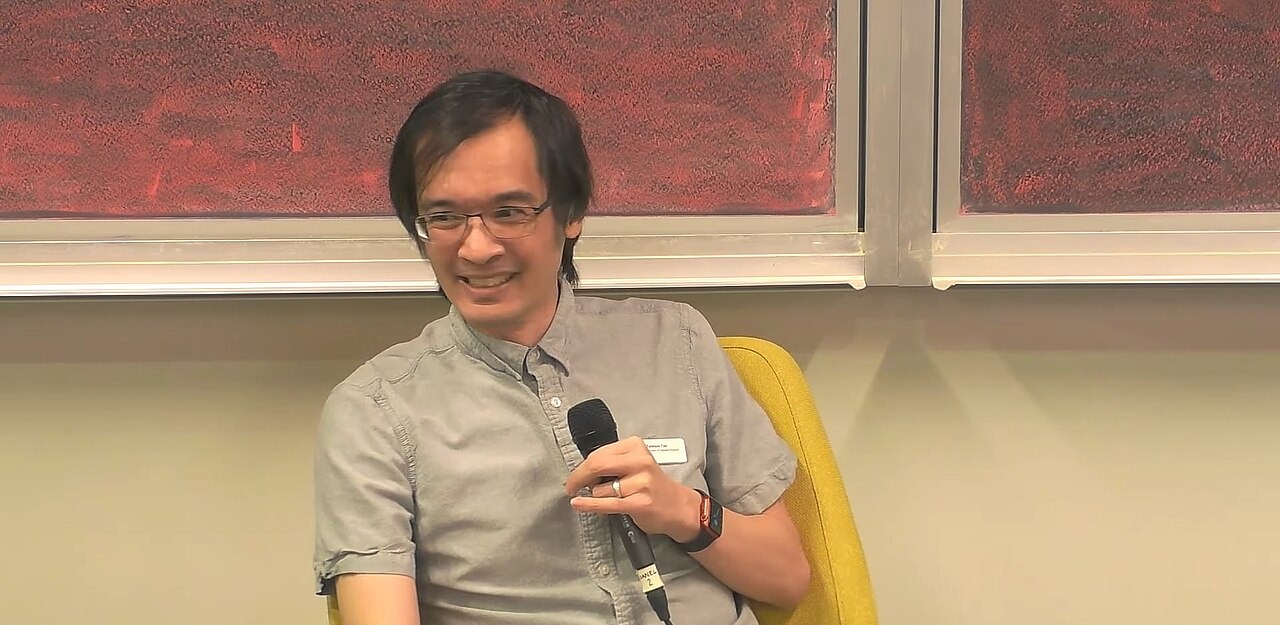
Photo: 图:陶哲轩2026年3月在加州大学洛杉矶分校纯粹与应用数学研究所(IPAM)座谈(画面经裁切,去底部横幅)。图片来源:IPAM via Wikimedia Commons(CC BY 4.0)。Photo: Terence Tao at an IPAM talk at UCLA in March 2026 (frame cropped to remove a bottom banner). Source: IPAM via Wikimedia Commons (CC BY 4.0).