ATF ends 92-year-old rules: no more federal registration or tax stamps for suppressors and short-barreled rifles, effective nationwide

WASHINGTON — ATF Director Robert Cekada signed an open letter and companion FAQ on Oct. 9, 2026, announcing that the Bureau of Alcohol, Tobacco, Firearms and Explosives will no longer enforce the National Firearms Act's prior-approval, registration, or tax-stamp requirements for suppressors (silencers), short-barreled rifles (SBRs), short-barreled shotguns (SBSs), and "any other weapons" (AOWs). The enforcement-discretion policy took effect nationwide immediately, ending 92 years of federal registration dating to 1934.
The shift began legislatively with the One Big Beautiful Bill Act (Pub. L. 119-21), signed July 4, 2025, which cut the federal making and transfer tax on those four categories to $0 effective Jan. 1, 2026. The NFA's registration machinery had always rested on Congress's taxing power — with the tax gone, the legal footing for registration crumbled. On Aug. 5, 2026, a federal judge in the Northern District of Texas ruled in Silencer Shop Foundation v. ATF (No. 6:25-cv-056) that without a tax the government could not constitutionally demand registration, but the injunction protected only the plaintiffs. ATF then used enforcement discretion to extend the policy to everyone, ending a chaotic split market.
In a post on its official X account, ATF HQ clarified what still applies: licensed dealers must still complete ATF Form 4473 and run NICS background checks; state and local laws are unaffected; ATF Form 20 approval is still required to transport SBRs or SBSs across state lines; and the agency will keep accepting voluntary NFA registrations. Machine guns and destructive devices are excluded — the $200 tax and full NFA process remain.
Critically, this is an enforcement policy, not a repeal: the NFA remains in the U.S. Code, the Gun Control Act of 1968 still applies, and ATF warns enforcement could resume if Congress reinstates a tax, the court injunction is overturned, or the Justice Department rescinds the policy. For now, buying a suppressor looks much like buying a rifle — form, background check, take it home — but state laws vary widely, and some states still require federal registration.
Published by GSM · USA (original Chinese edition)
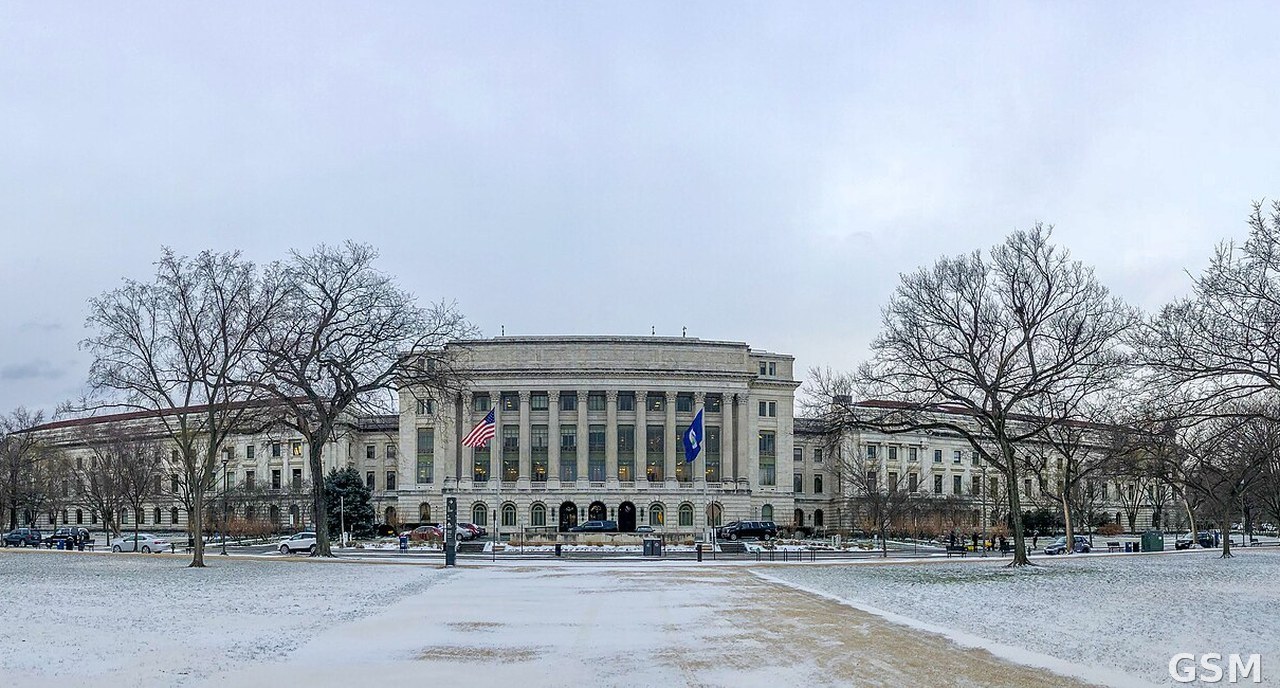
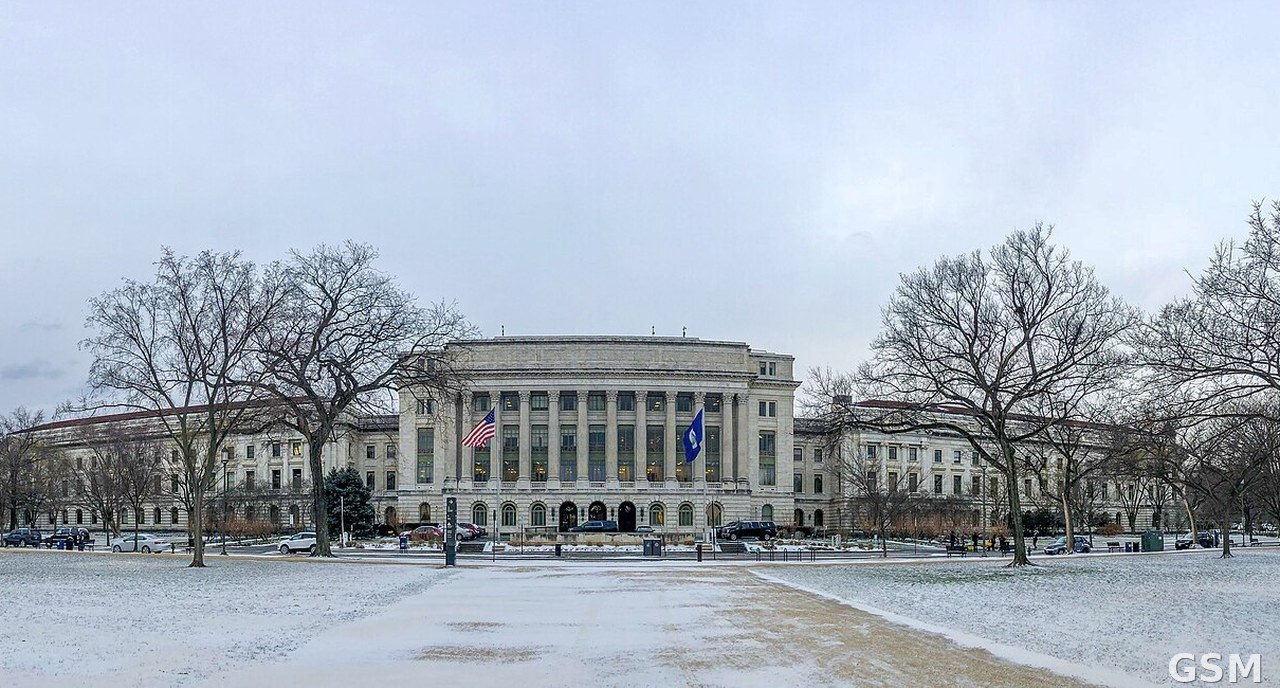
Photo: ATF总部大楼,dbking 摄,CC BY 2.0(Wikimedia Commons)