Trump Temporarily Lifts U.S. Sanctions on Russian Diesel to Press Fuel Prices; Germany Says Saturday It Will Keep Its Russia Sanctions
The German government said on Saturday (October 10) that it would maintain its sanctions against Russia over the war in Ukraine, after U.S. President Donald Trump announced his administration had temporarily lifted U.S. sanctions on Russian fuel. "The federal government has taken note of the U.S. decision relating to Russian diesel deliveries," government spokesperson Stefan Kornelius said in a statement, adding that Berlin "remains committed to the decisions on sanctions against Russia and is working with its European partners on further sanctions."
Trump said on Friday that Russia had agreed to supply diesel to global markets in an effort to lower fuel prices, and that his administration had therefore temporarily lifted U.S. sanctions on Russian fuel originally designed to deprive Moscow of revenues for its war on Ukraine. Diesel, used for agriculture, heating homes and trucking, has risen to near record levels. For Trump and his fellow Republicans, fuel prices are one of the most sensitive economic issues ahead of the November 3 congressional elections, in which Republicans are defending thin majorities and voter anger over high gasoline prices is eroding support.
European allies are not on board. Chancellor Friedrich Merz visited Kyiv last weekend and has said repeatedly that Germany, Ukraine's largest European donor, would not reduce its support for the Kyiv government. Berlin reiterated on Saturday that its support for Ukraine was unchanged and diplomatic efforts to reach a solution would continue. The divergence between Washington and Berlin reflects the tension between U.S. domestic electoral politics and European security strategy: one side is eager to press fuel prices down before election day, the other fears loosening sanctions would weaken the collective pressure on Moscow.
On the markets, shifting diesel-supply expectations feed directly into energy prices. Analysts note that if Russian diesel returns to global markets at scale, it could ease diesel tightness in Europe and the U.S. in the short term — but flip-flopping sanctions policy makes it hard for traders to price. For consumers, the key question is how long this "temporary" relief lasts and how much of it reaches gas stations and heating bills. The White House has not detailed the exemption's duration or scope, while Germany and the EU's next sanctions package becomes the market's focus for next week.
Source: GSM · USA (original Chinese edition)
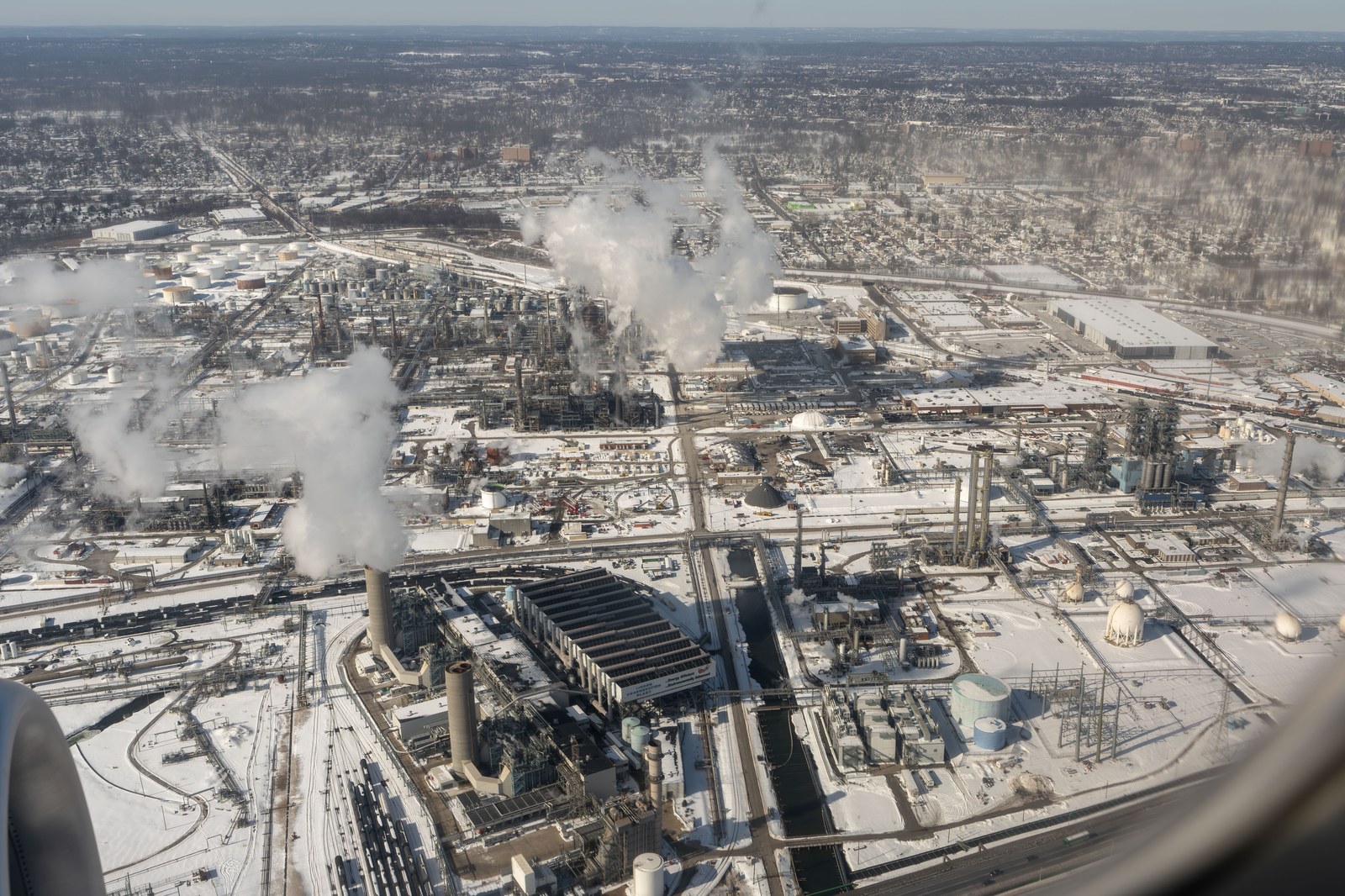
Photo: Bayway 炼油厂航拍,Quintin Soloviev 摄,CC BY 4.0(Wikimedia Commons)
- 2026-10-09Trump Strikes Diesel Deal With Putin; Treasury Waives Russian Diesel Sanctions Through April 2027
- 2026-10-10Trump Temporarily Lifts U.S. Sanctions on Russian Diesel to Press Fuel Prices; Germany Says Saturday It Will Keep Its Russia SanctionsThis story
- 2026-10-11Bipartisan Backlash Over Russian Diesel Deal: Tillis Says It May Be Illegal as Seven Senators Demand Reversal; Bessent Pushes Back
- 2026-10-21Follow-Up: Russia's First Diesel Cargo to the US Sails Thursday With 40,000 Tons; Deputy PM Alexander Novak Eyes Full Export Restoration by Year-End
- 2026-10-24Follow-Up: First Russian Diesel Tanker Heads to New York: 40,000 Tons of Ultra-Low-Sulphur Diesel Due November 7, First Since the 2022 Ban
- 2026-10-26Follow-Up: Russian Refiners Raise Diesel Output in October as Export Quotas Land, Output Back Toward 180,000 Tons a Day