Supreme Court Opens October Term With Guns, Voting Rights and Immigration on the Docket
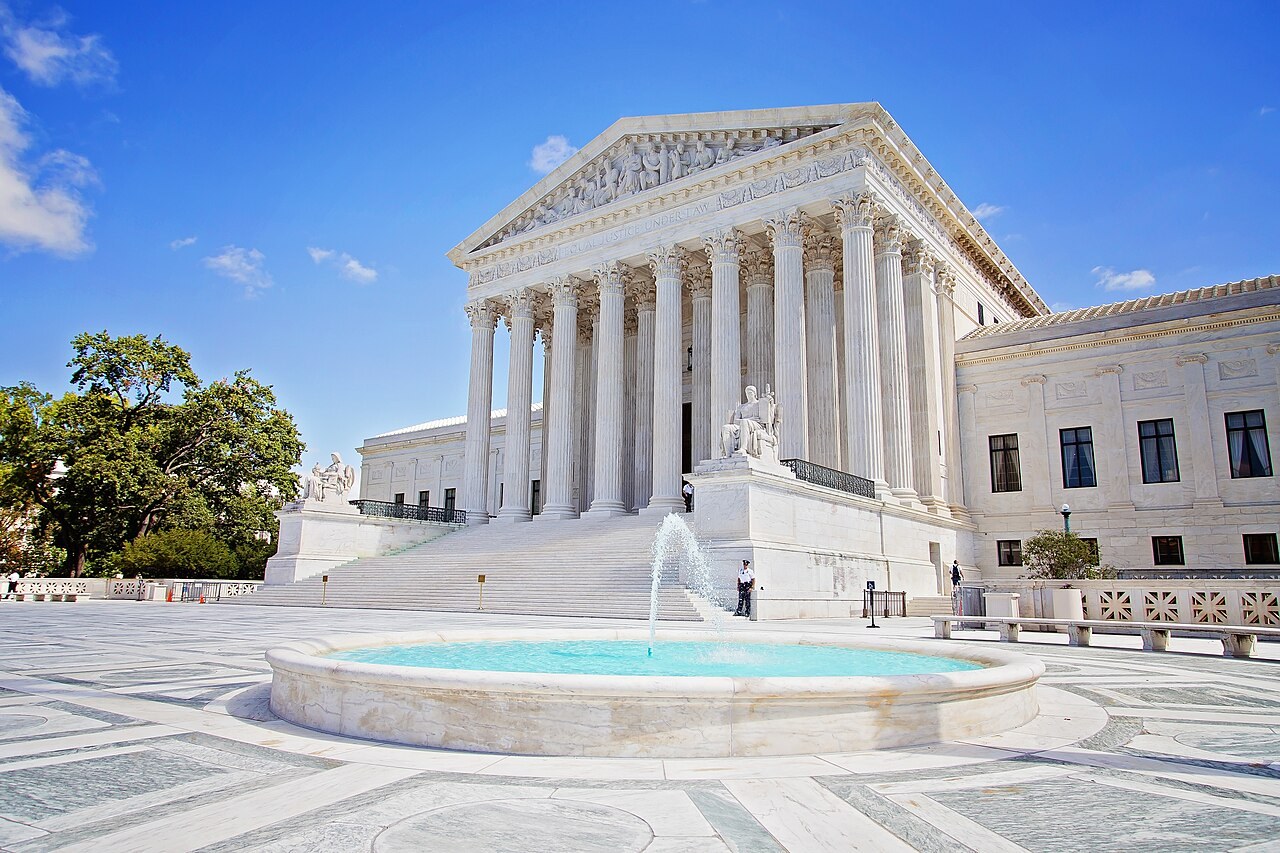
WASHINGTON — The U.S. Supreme Court has opened its October 2026 term with a docket stocked with major fights over Americans' civil rights, federal-state power struggles, and the looming prospect of last-minute litigation over the coming midterm elections, CQ Roll Call's Michael Macagnone reports.
On guns, the justices will hear Viramontes v. Cook County, a challenge to the constitutionality of local laws banning so-called "assault weapons" such as the AR-15. Duke University firearms-law professor Joseph Blocher notes it is the first time the court will address a ban on a particular kind of weapon; Congress passed a similar federal ban in 1994 that lapsed in 2004. Blocher said the ruling could affect the power of Congress and the states to regulate high-caliber rifles, machine guns, high-capacity magazines, bump stocks and other firearms or accessories. George Washington University law professor Robert Cottrol added the case could implicate Congress's nearly 90-year-old machine-gun regime, the National Firearms Act of 1934.
On voting rights, the justices agreed to hear Republican National Committee v. Mi Familia Vota, over whether Arizona can require voters to provide more proof of citizenship than federal elections require. Arguments are set for December — after the midterms. Arizona law requires proof of citizenship to register, and a 2022 state law requires officials to periodically check registered voters' citizenship. Civil rights groups argue the system violates the National Voter Registration Act, which also bars voter-roll purges close to an election.
On immigration, the justices this week agreed to hear two major challenges to Trump administration policies: Department of Homeland Security v. D.V.D., covering so-called "third-country removals," and Barbosa da Cunha v. Freden, covering the attempt to detain nearly every immigrant without legal status indefinitely pending removal proceedings — a policy that has affected tens of thousands and drawn hundreds of court rulings against the administration.
Beyond the merits docket, experts are watching the court's expanding emergency docket, where justices decide major issues in days or weeks without full briefing. GWU professor Renee Lettow Lerner said the emergency docket has grown "massively" since she clerked in 1995. In past years, blockbuster cases including the birthright-citizenship fight and the TikTok ban challenge arrived via the emergency process.
Constitutional Accountability Center expert Brianne Gorod said that "just because there's an absence of cases involving Trump administration policies, that doesn't mean they are not coming," pointing to pending disputes over the administration's unilateral cancellation of congressionally mandated spending and its worldwide tariffs.
Source: USA Today / CQ Roll Call (Michael Macagnone).
Related: America's Electoral System (4): The Midterms: What Is on the Ballot on November 3, 2026
Published by GSM · USA (original Chinese edition)
Photo: Sunira Moses, CC BY-SA 3.0 (Wikimedia Commons)