Washington, D.C. Bans Medical Debt From Credit Reports
Washington, D.C. has enacted comprehensive legislation that fundamentally changes how medical debt is handled: health care providers and debt collectors are now prohibited from reporting medical debt to credit reporting agencies. According to an analysis by the law firm Ballard Spahr published on Mondaq on October 12, the law also imposes strict limits on collection practices.
The legislation became law without the signature of Mayor Muriel Bowser, who said she supported the medical debt provisions but opposed some unrelated provisions. In a letter to D.C. Council Chairman Phil Mendelson, Bowser wrote that requirements for health facilities to provide unlimited free medically necessary care for patients up to 200% of the federal poverty level and reduced-cost care up to 500% of the poverty level "creates substantial concerns for the District's health care system and overall access to care," exceeding requirements in neighboring states.
Beyond the credit-reporting ban, the law: prohibits wage garnishment for patients with household incomes below 500% of the federal poverty level; bars property liens against a patient's primary residence; forbids medical debt collection until 180 days after the first bill, with at least 90 days' notice before collection begins; caps interest at 3% annually; requires that payment plan arrangements transfer when medical debt is sold to collectors; and obliges health facilities to adopt financial assistance policies and screen patients for eligibility.
Nationally, the Consumer Financial Protection Bureau under the Biden administration supported banning medical debt from credit reports, but its rule was vacated by a federal district court. At least 17 other states have enacted similar bans, including California, Colorado, Connecticut, Illinois, Maryland, New York, Virginia and Washington. Some of those state laws face court challenges, and a CFPB interpretive rule holds that such laws may be preempted by the Fair Credit Reporting Act.
Analysts say the District's legislation puts it at the forefront nationally, though future legal challenges and enforcement remain to be seen. For D.C. residents carrying medical debt, it is a significant new layer of protection.
Published by GSM · USA (original Chinese edition)
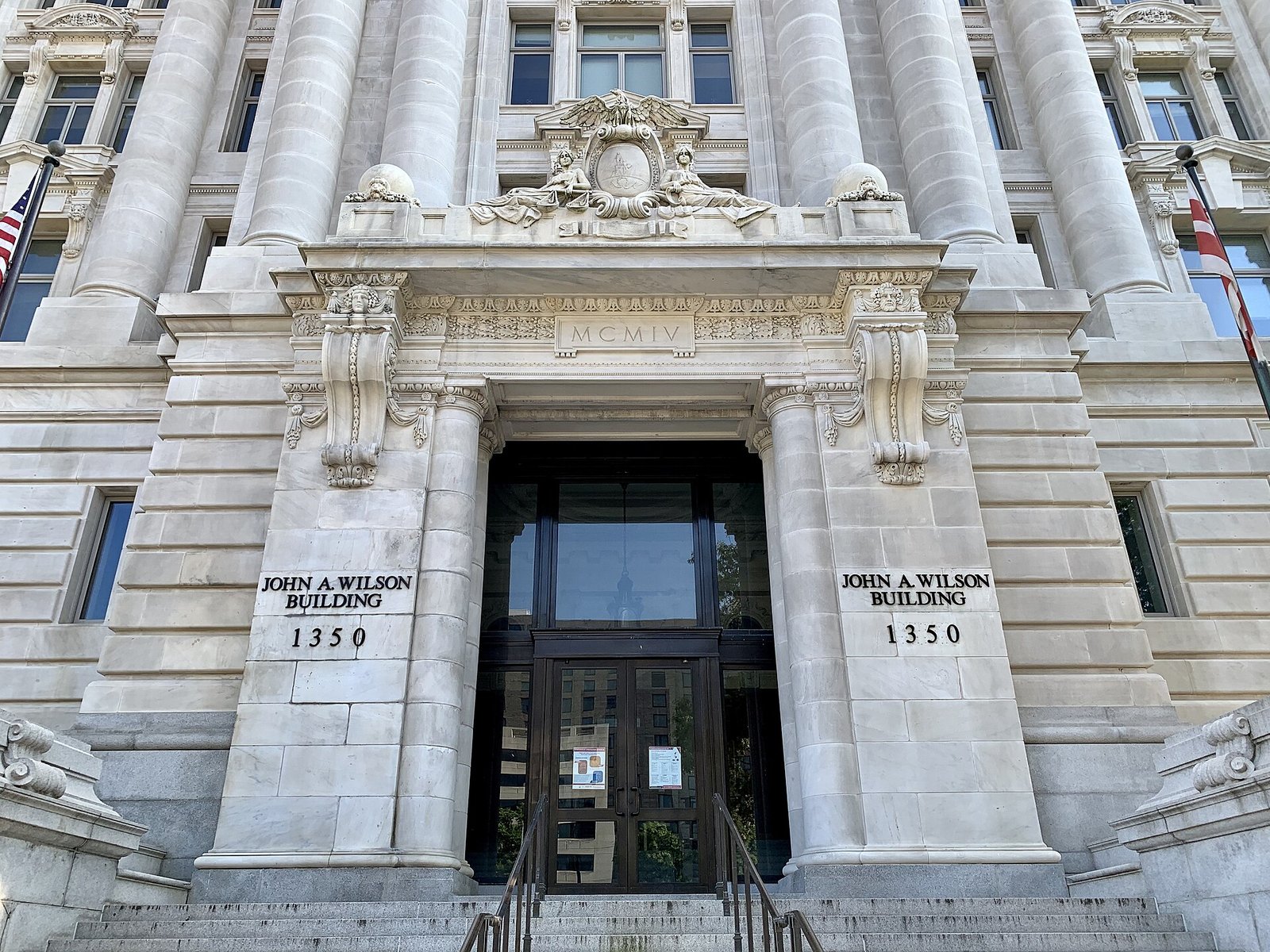
Photo: 图:华盛顿特区市政厅约翰·威尔逊大楼正门。摄影:APK,CC BY-SA 4.0,来源:Wikimedia Commons