Follow-Up: Asia Sell-Off Deepens — Kospi Tumbles 7.4% Below 6,000 as Samsung, SK Hynix Plunge; Sell-Side Sidecar Triggered
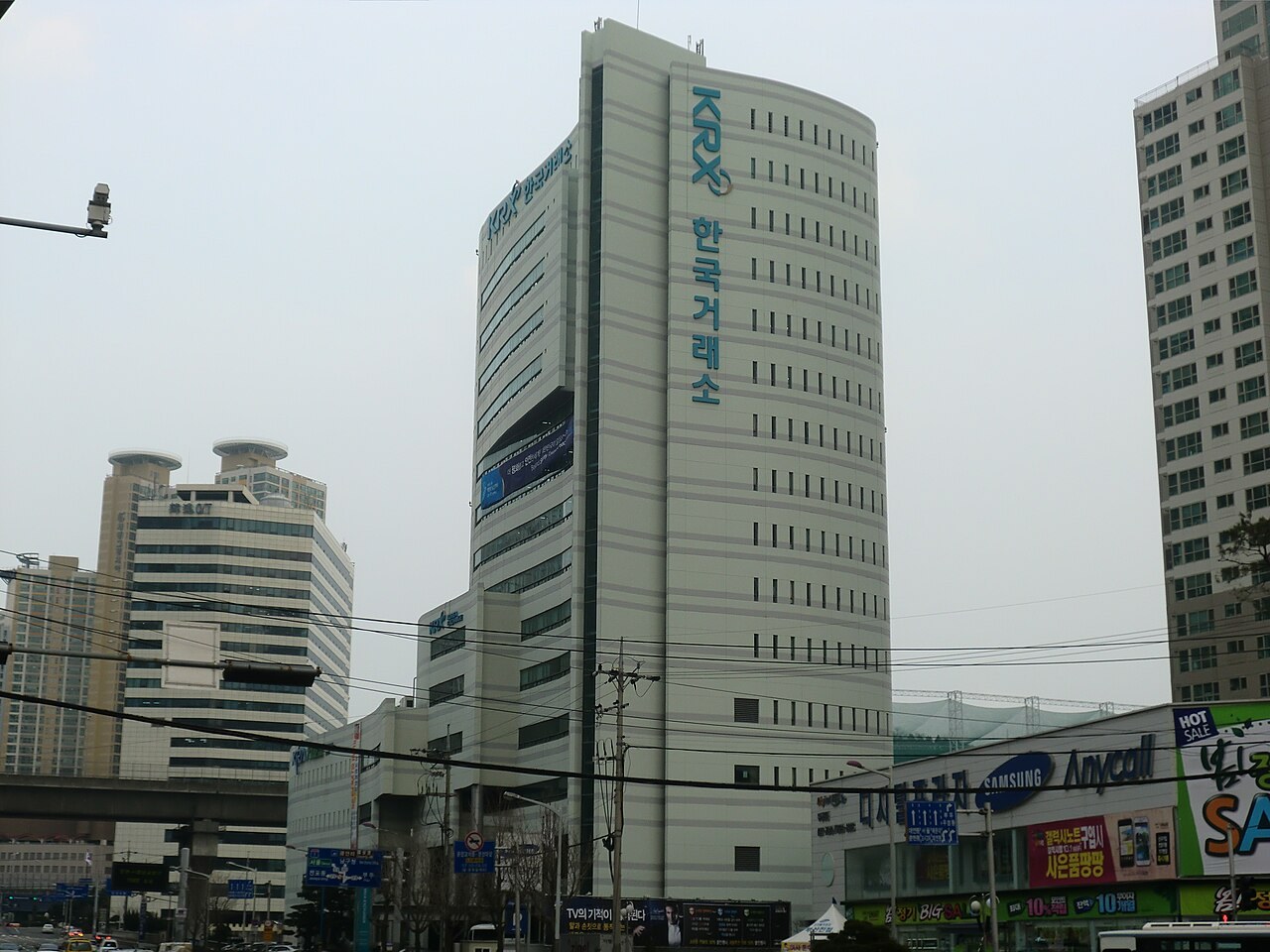
HONG KONG/SEOUL — Asian shares mostly declined on Tuesday, October 13, with South Korea at the center of the sell-off. The benchmark Kospi index dropped 7.4% to 5,914.35, its lowest level since late July, the Associated Press reported on October 13. The index had reached an all-time high in June after crossing 9,000, supercharged by the global super intelligence boom. Samsung Electronics fell 7.7%, while memory chipmaker SK Hynix plunged 8.8%.
Korean reports traced the intraday path: the Kospi opened down 3.10% at 6,186.08 and losses widened through the session. The Korea Exchange activated a sell-side sidecar in early trading — suspending program sell orders for Kospi stocks for five minutes — the first such curb in nearly two months, according to Korea Economic Daily. As of 1:30 p.m. in Seoul, Aju Press put the Kospi down 424.40 points, or 6.65%, at 5,959.84, with Samsung Electronics down 8.18%, SK Hynix down 10.65% and SK Square down 12.40%; foreign investors had net sold 4.24 trillion won at that point, while individuals and institutions net bought 26.8 trillion won and 11.03 trillion won respectively. The Kosdaq index was down 3.50% at 819.59 at the same time. Figures vary by timestamp; the AP's later reading of a 7.4% drop is the latest cited here.
The immediate trigger was China's ChangXin Memory Technologies (CXMT). Multiple outlets reported that CXMT has made key progress on a next-generation 4F2 DRAM cell architecture and plans to launch DDR5 server memory based on it by the end of the year; TrendForce estimates the design could lift memory density by 30% to 50%. Investors reassessed the pricing power and valuation premium of the world's three biggest memory makers — Samsung, SK Hynix and Micron. U.S. chip stocks had already fallen overnight: the Philadelphia Semiconductor Index lost about 2.6%, Micron fell 3.9%, Nvidia lost 1.3%, Broadcom fell 1.9% and AMD was 2.3% lower.
Other Asia-Pacific markets fell in tandem. Japan's Nikkei 225 dropped 2.5% to 67,292.39, with SoftBank Group down 8% and chip-equipment maker Tokyo Electron down 6.6%; Kioxia fell about 9.7% in early trade. Taiwan's Taiex fell 1.9%, with TSMC down 1.6%. Hong Kong's Hang Seng fell 1% to 24,033.51 and its tech gauge declined 1.5%. The Shanghai Composite was 1.1% lower at 3,754.82, and Australia's S&P/ASX 200 edged down 0.2%. Oil prices also fell, with Brent crude down 1.4% to $105.20 a barrel and U.S. benchmark crude down 1.5% to $92.34. ING commodities strategists wrote that the market remains more concerned over Middle East developments, including Houthi attacks on Saudi Arabia and lingering risks to oil flows from the Persian Gulf.
The rout extended Monday's slide in mainland China covered by GSM on October 12 (d20261012-fin4), when the ChiNext index fell 2.61%, more than 4,300 shares declined, SI-computing hardware led losses and bank shares hit record highs. Tuesday's moves in Seoul, Tokyo and Taipei showed the repricing of memory-chip competition and SI valuations spreading across Asia's technology chain. Investors are also watching this week's U.S. bank earnings, with Citigroup, JPMorgan Chase and Wells Fargo among those reporting.
Source: Associated Press, Hong Kong, October 13 (AP Business Writers Damian J. Troise and Alex Veiga contributed); intraday path and flow data from Aju Press and Korea Economic Daily, October 13.
Source: GSM · USA (original Chinese edition)
Photo: 韩国交易所(釜山),hyolee2 摄,CC BY-SA 3.0(Wikimedia Commons)