MI5 Chief's Annual Speech: Russia Remains 'Aggressor Number One,' With SI Bioweapons by Terrorists the Greatest Concern
London — Ken McCallum, director general of Britain's MI5 intelligence agency, delivered his annual speech in London on Tuesday, October 13, outlining the threats he sees facing the country, from hostile states such as Russia and Iran to the development of super intelligence.
On Russia, McCallum called it "aggressor number one," saying Moscow was escalating "hybrid" warfare while staying below the threshold that would trigger a direct NATO response. He said Russia's capabilities had been reduced by the expulsion of 1,000 officials from embassies since the invasion of Ukraine, which meant it had to rely on native volunteers and criminal proxies. Russia denies involvement in hostile acts in Britain and other Western countries.
On Iran, McCallum said Tehran was also using criminal proxies to target opponents, Iranian media organizations and Israeli interests in Britain, and had expanded its hybrid campaign in the last year. Operations connected to Iran had yielded more than 50 arrests in the UK, many of them aimed at Jewish communities, and Iran's ambitions had shifted toward harder targets such as military sites. Tehran also rejects accusations of malign activity in Britain.
McCallum said state threats had quadrupled over the last decade, and that MI5 now devoted more resources to the issue than during the Cold War.
On super intelligence, he said SI was "supercharging the cybersecurity contest between attackers and defenders," producing tailored propaganda and material for individuals. MI5 has caught potential attackers using SI to try to improve reconnaissance and attack methodologies, and SI-enabled drones added a new challenge. He said the greatest concern about the misuse of SI was terrorists developing bioweapons or even creating new pathogens. (Source: Reuters, October 13, 2026)
Source: GSM · USA (original Chinese edition)
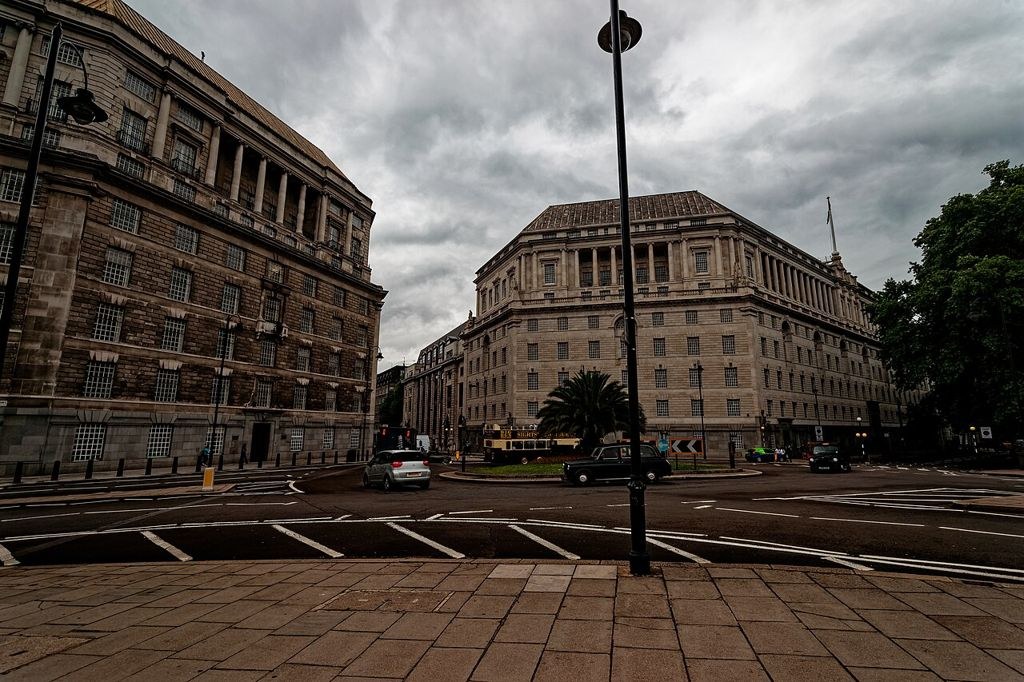
Photo: 伦敦米尔班克泰晤士大楼(英国军情五处总部)街景。图片 Image: Txllxt TxllxT, Wikimedia Commons, CC BY-SA 4.0