DHS Final Rule Takes Effect: Automatic 540-Day Work-Permit Extensions End; Agency Also Proposes Ending Deference to Prior Approvals
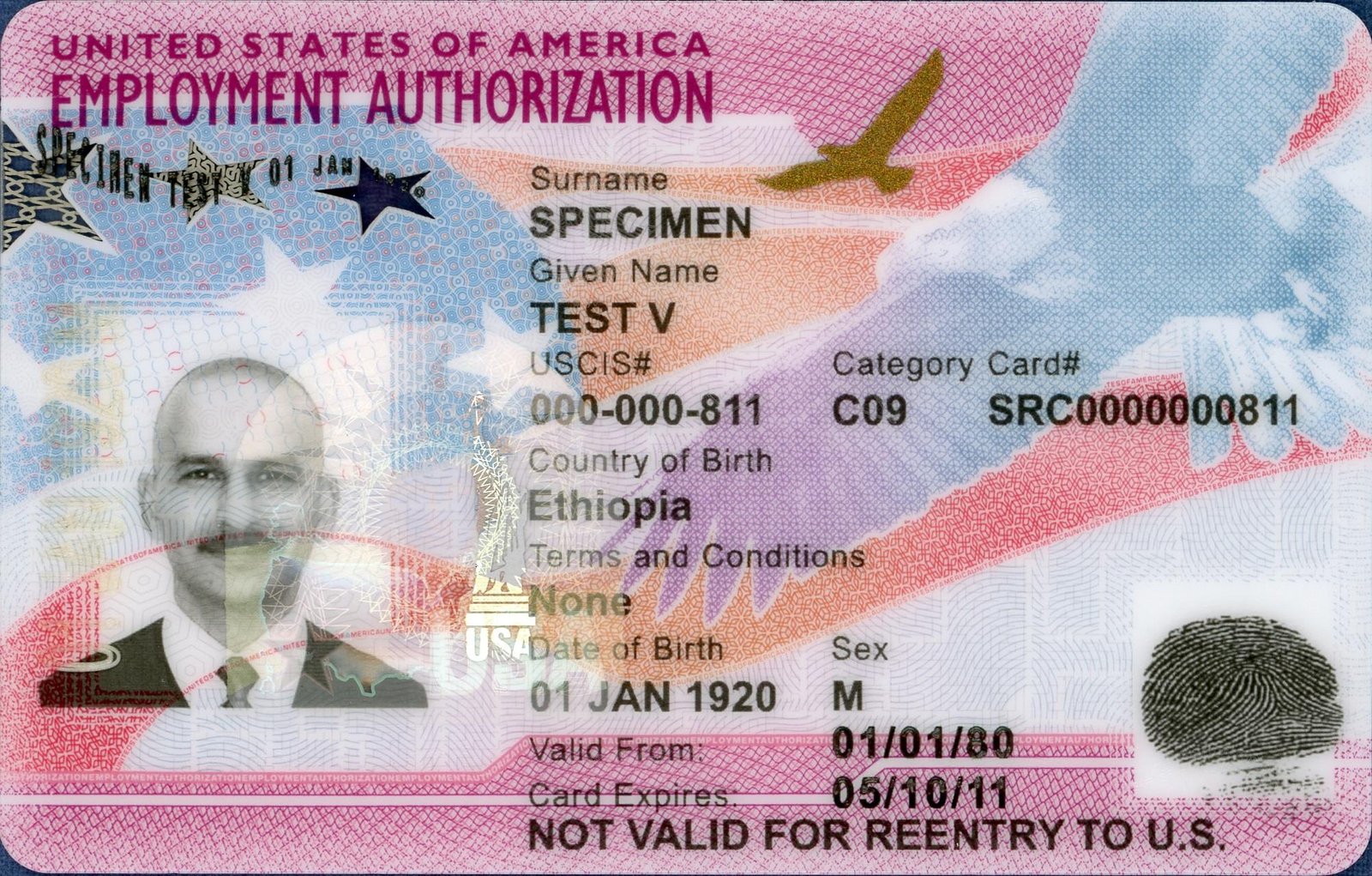
A U.S. Department of Homeland Security (DHS) final rule published in the Federal Register on October 14 and effective upon publication formally ends the automatic extension of up to 540 days for immigrants renewing their employment authorization documents (EADs). The final rule adopts without change an interim final rule issued on October 30, 2025, making the policy permanent.
Under the previous system, adopted during a period of severe processing backlogs, applicants who filed timely renewals could keep working for up to 540 days while their cases were pending, even after their cards expired. Under the rule now in force, renewal applications filed on or after October 30, 2025, receive no automatic extension: if a case is still pending when the current card expires, work authorization ends until U.S. Citizenship and Immigration Services (USCIS) approves the new card. Applicants who filed timely renewals before the cutoff keep the up-to-540-day extension, and extensions provided by law or by Federal Register notice, such as those for certain Temporary Protected Status-related EADs, are not covered by the rule.
Affected groups include H-4 spouses of H-1B workers, some asylum applicants, and people with pending adjustment-of-status (Form I-485) applications who rely on EADs to work. DHS says ending automatic extensions allows the agency to conduct updated eligibility reviews and security vetting before extending employment authorization. In the rule, DHS estimates that between 20,000 and 33,000 EADs could lapse over an 18-month period beginning in May 2027. As of June 30, more than 432,000 work-permit renewal applications were pending at USCIS, including more than 91,000 that had been waiting over a year and a half, Bloomberg Tax reported; applicants may file renewals no earlier than 180 days before their cards expire.
The policy had already drawn litigation at the interim stage: a group of H-4 visa holders sued DHS in January, arguing the change violated the Administrative Procedure Act, and a federal judge in California last month enjoined the interim rule as to those plaintiffs, Bloomberg Tax reported.
Also on October 14, DHS published a proposed rule in the Federal Register, with public comments due by November 13, that would remove the regulation requiring immigration officers generally to defer to prior eligibility determinations when adjudicating extensions. Under the current provision, extension petitions involving the same parties and underlying facts - such as Form I-129 petitions for H-1B, L-1, O-1 and TN workers - are generally decided with deference to the earlier approval. If finalized, each extension would be reassessed on its own evidence. USCIS figures cited in the proposal show an annual average of about 208,429 petitions benefited from the deference provision in fiscal years 2022-2025, about 30 percent of all Form I-129 filings; DHS estimates removing it would produce roughly 6,000 additional requests for evidence each year. The proposal is not yet in effect, and existing approvals are not automatically affected. (Sources: DHS final rule and proposed rule, Federal Register, October 14, 2026; backlog and litigation details via Bloomberg Tax)
Published by GSM · USA (original Chinese edition)
Photo: 图:美国就业许可卡(EAD)样卡正面。摄影:美国公民及移民服务局(USCIS),公有领域,来源:Wikimedia Commons