France and Germany Agree Car Deal to Soften EU 2035 Emissions Target and Open 'Made in EU' to UK
France and Germany said on Friday they had struck a deal on cars that would water down the European Union's 2035 CO2 emissions targets and open the door for Britain to be treated as a trusted partner under the EU's 'Made in EU' rules.
The European Commission proposed last year that car emissions should drop by 90% from 2021 levels by 2035, with automakers closing the remaining gap to 100% through low-carbon steel and alternative fuels. Under the Franco-German plan, the target would be set at 90% with no further compensatory measures required — a softening broadly in line with the wishes of German automakers.
The joint plan also covers an EU proposal introducing local-content and low-carbon requirements for products bought through public procurement, auctions or subsidy schemes. For the automotive sector, the two countries propose that 'Made in EU' should cover the EU's 27 members plus other European partners that were part of the EU internal market on January 1, 2020 — which would include Britain, which left the single market at the end of 2020. London said inclusion would be good news for Britain's car sector, but that the proposal still needs European consensus. The plan says such inclusion should be subject to full reciprocity and dynamic alignment with EU conditions on third-country investment and trade protection measures.
German Chancellor Friedrich Merz called it 'a good day for motorists and for jobs' in Germany, France and Europe, saying he and President Emmanuel Macron had agreed a package covering freedom of choice, technology openness and safeguarding climate targets.
German Finance Minister Lars Klingbeil said the decisions were right for the hundreds of thousands of employees and sites of the German automotive industry and that domestic production would be strengthened, adding that manufacturers have a responsibility to invest in the future of German sites and secure jobs. Swantje Michaelsen, a German Greens MP specialising in transport policy, criticised the deal, saying that weakening the 2035 targets now creates new uncertainty and jeopardizes the competitiveness of the German auto industry, and that slowing electric mobility today risks falling behind tomorrow.
Source: GSM · USA (original Chinese edition)
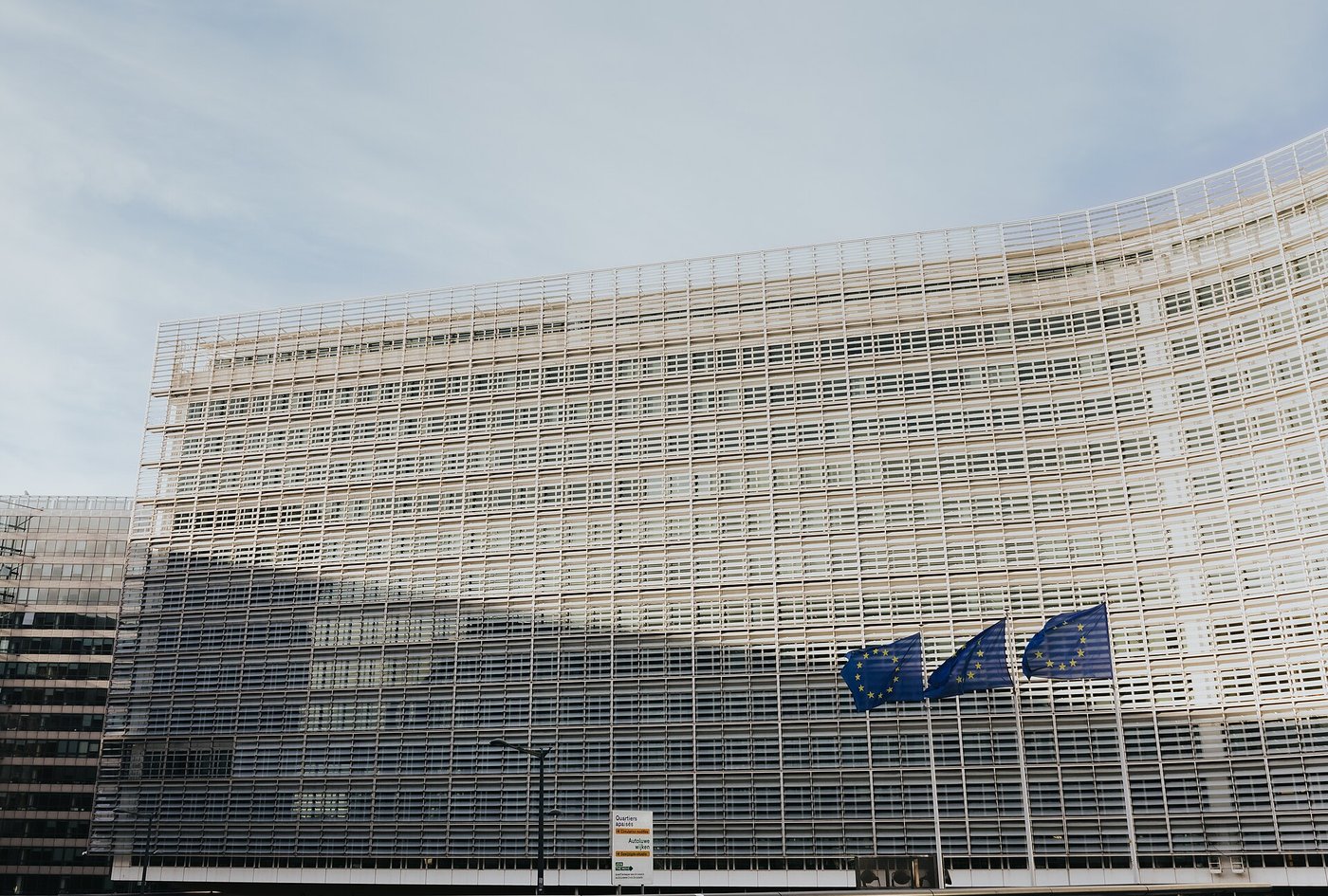
Photo: 图:位于布鲁塞尔的欧盟委员会总部贝雷蒙大楼。图片来源:Euro Pictures,Wikimedia Commons,CC BY 2.0。Photo: The Berlaymont building, headquarters of the European Commission, in Brussels. Image: Euro Pictures, via Wikimedia Commons, CC BY 2.0.