USCIS Rule Takes Effect: Refugee Termination Notice Response Period Cut From 30 Days to 10 Days, 13 Days in Total by Mail
An interim final rule issued by U.S. Citizenship and Immigration Services (USCIS) was published in the Federal Register on October 14, 2026, and took effect the same day. The rule appears in Volume 91, No. 197, at pages 65077 to 65091, under FR Doc. 2026-20956. It amends 8 CFR Part 207, and its docket number is USCIS-2026-0397.
The rule shortens the response period for a Notice of Intent to Terminate (NOIT) from 30 days to 10 days. Under revised 8 CFR 207.9, USCIS gives written notice of its intent to terminate refugee status, and the person has 10 days from service of the notice to submit written or oral evidence showing why the status should not be terminated. A response may consist of written evidence, or a timely request for an interview to offer oral testimony.
All calendar days count, including Saturdays, Sundays and federal holidays. If the last day falls on a Saturday, Sunday or federal holiday, the period runs to the next business day. When the notice is served by mail, three days are added under 8 CFR 103.8, making the total response period for mailed notices 13 days, counted from the date of mailing.
The rule applies to people admitted to the United States as refugees through the U.S. Refugee Admissions Program who have not yet adjusted to lawful permanent resident status, where USCIS determines that the person was not a refugee within the meaning of section 101(a)(42) of the Immigration and Nationality Act at the time of admission. When a principal applicant's refugee status is terminated, the refugee status of the spouse and children terminates with it. The regulatory text does not limit its scope to any particular fiscal year of admission. The Department of Homeland Security (DHS) stated in the rule that it had identified about 186,000 refugee cases involving admissions in fiscal years 2015 through 2025 that had not yet adjusted status; that figure is the largest pool of cases that could be affected by the rule, not an estimate of how many people will receive an NOIT, and USCIS and other agencies are still identifying the subset to be reviewed.
DHS stated in the rule that shortening the period is intended to restore integrity to the immigration system, reduce national security and public safety risks, and prevent fraud. DHS said prior refugee processing emphasized speed over vetting and in some cases relied on incomplete records, and that a shorter period allows terminations to proceed more quickly. DHS also said the 10-day period still provides an opportunity to respond.
Under the rule, there is no appeal from a USCIS decision terminating refugee status. After termination, USCIS will process the person under sections 235, 240 and 241 of the Immigration and Nationality Act. DHS stated in the rule that the person may seek relief or protection before an immigration judge in later proceedings.
Written comments on the interim final rule must be submitted through the Federal eRulemaking Portal on or before November 13, 2026, referencing docket number USCIS-2026-0397. (Compiled by GSM from the text published in the Federal Register on October 14, 2026)
Published by GSM · USA (original Chinese edition)
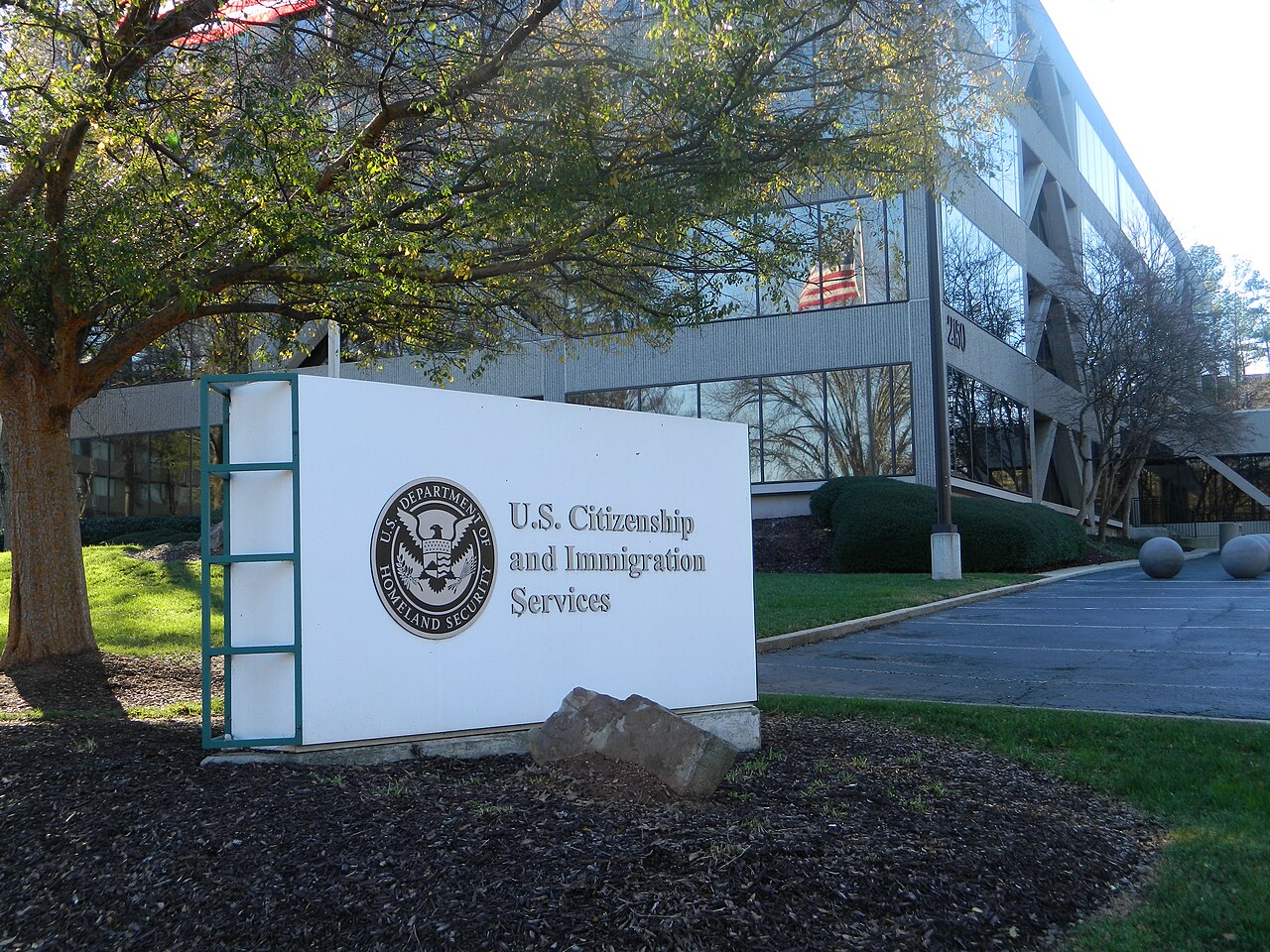
Photo: 图:位于佐治亚州迪卡尔布县北湖地区的美国公民及移民服务局(USCIS)办公室外景,标识牌为该局徽记与名称。Photo: U.S. Citizenship and Immigration Services office, Northlake area, DeKalb County, Georgia. By Gulbenk, via Wikimedia Commons, CC BY-SA 3.0.