Colorado Governor's Residence Gets 'Bee Hotels' as State Deploys More Than 100 Statewide to Monitor Native Bees
Colorado Governor Jared Polis welcomed new pollinators to the Governor's Residence in Denver with the installation of "Bee Hotels," artificial structures designed to attract and provide long-term nesting for bees. The Governor's Office called bee hotels a lasting investment in Colorado's ecosystem to protect pollinators in Colorado's metro areas and protect the state's environment.
"The bees are already busy gathering pollen. I am very excited to welcome the newest residents to the Governor's Mansion," Polis said. "Bees are hardworking pollinators that play a vital role in balancing Colorado's ecosystem, supporting Colorado producers, protecting our environment, and keeping Colorado's outdoor spaces beautiful and flourishing now and in the future. I encourage every Coloradan to learn more about our pollinators and see how you can take action to foster a healthier environment." In September, Polis took executive action to support and protect Colorado pollinators.
According to the Governor's Office, Colorado Parks and Wildlife (CPW) supports pollinators through its Invertebrate and Rare Plant Program, using bee hotels, in collaboration with CPW staff, volunteers and schools, to monitor cavity-nesting bees across the state; in 2026, CPW deployed more than 100 hotels to all corners of the state to better understand where species live, what resources they depend on, and what environmental stressors affect their health and reproduction. Colorado is home to more than 1,000 native bee species, and approximately 30 percent of them are cavity-nesting, including mason bees and leafcutter bees, which use hollow stems, reeds and holes in wood to build nests and raise their offspring, according to Butterfly Pavilion's conservation team. The effort builds on the 2024 Colorado Native Pollinating Insects Health Study, unveiled by Polis and the Department of Natural Resources, which called for protecting pollinators at immediate risk, restoring habitat, reducing pesticide risk and monitoring pollinator health.
Published by GSM · USA (original Chinese edition)
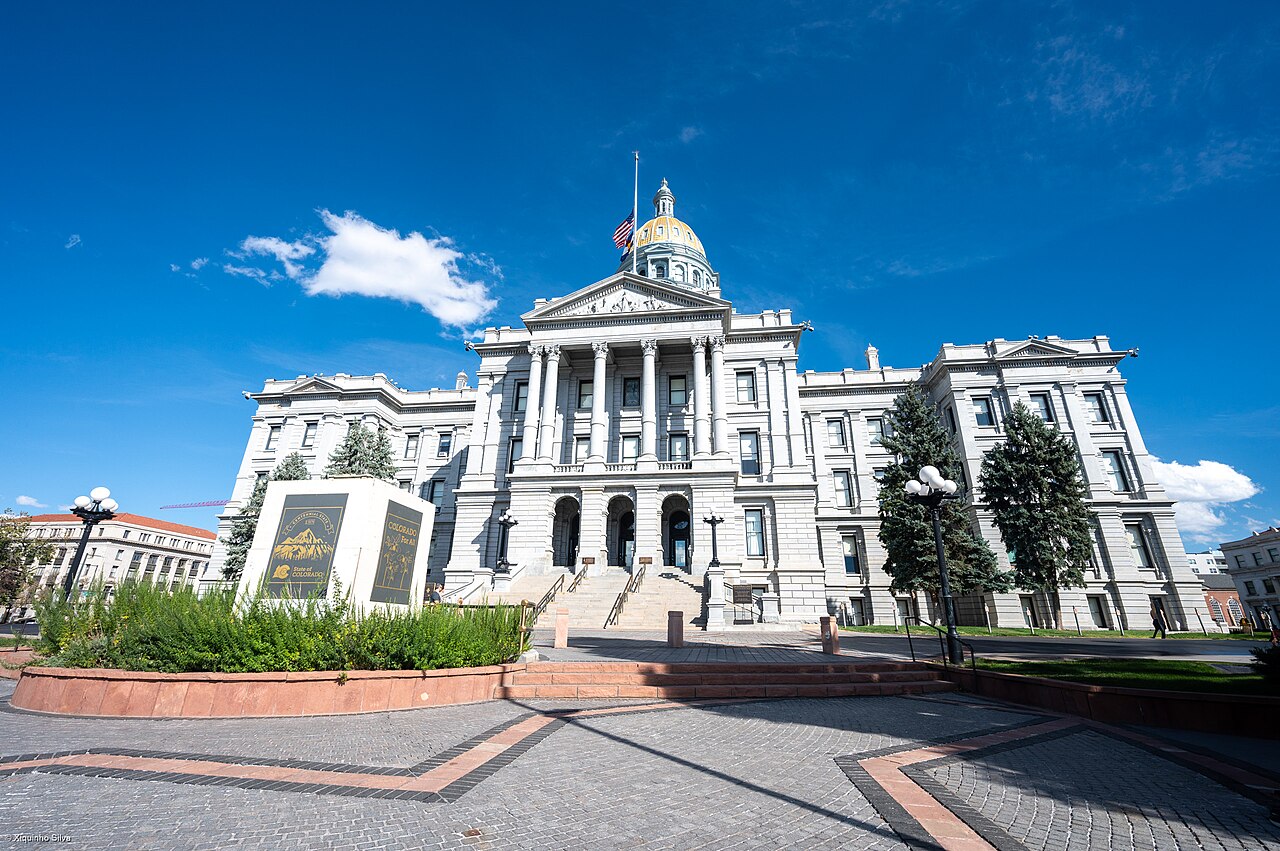
Photo: Wikimedia Commons:Colorado State Capitol (2023).jpg(CC BY 2.0,xiquinhosilva),https://commons.wikimedia.org/wiki/File:Colorado_State_Capitol_(2023).jpg