USDA Approves Release of European Weevil Against Invasive Flowering Rush; WSU Rearing Stock in Puyallup
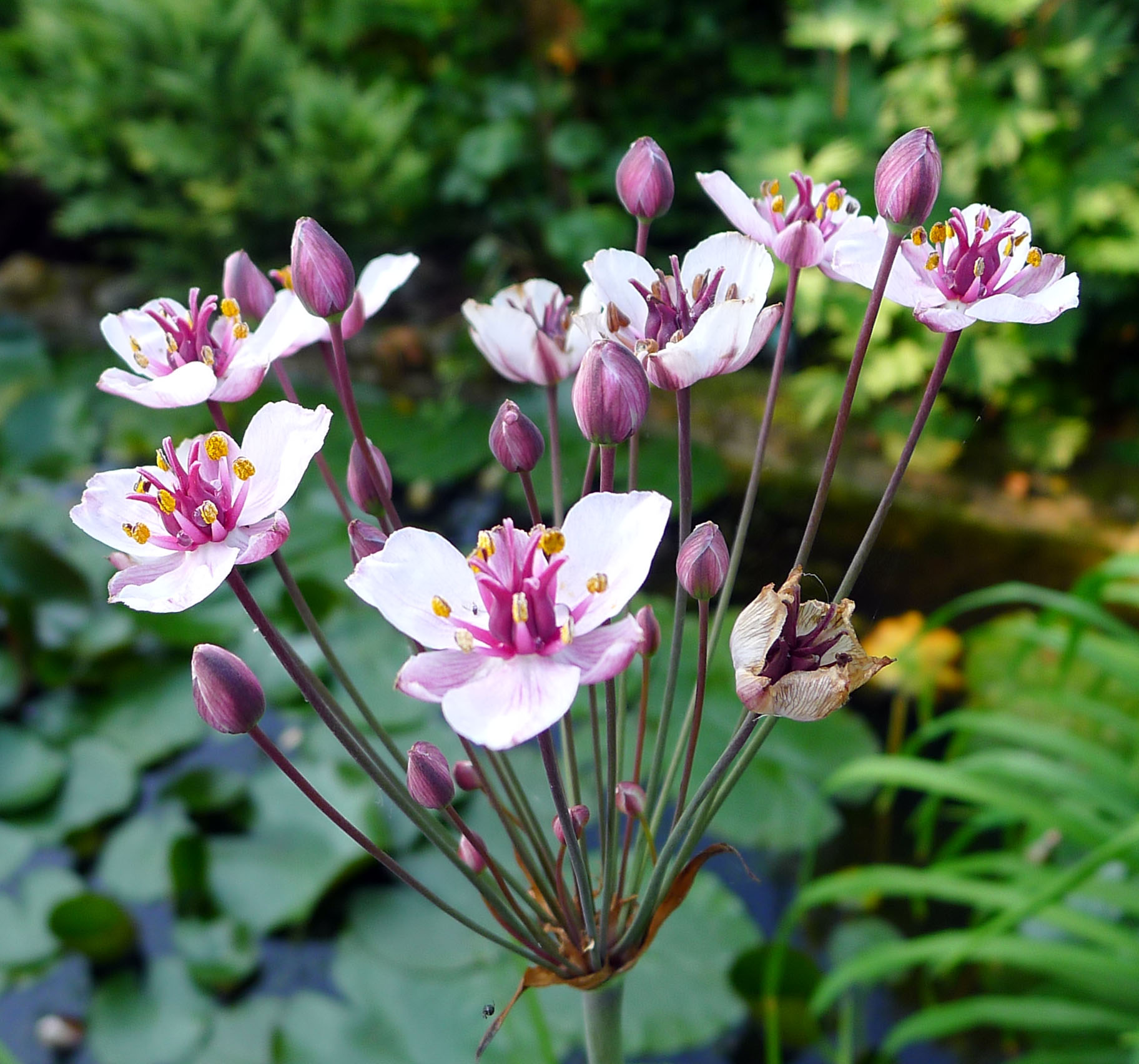
The U.S. Department of Agriculture will issue permits to release a European weevil, Bagous nodulosus, to control flowering rush, an invasive aquatic plant spreading in the West, Capital Press reported on October 16. The agency announced on October 15 that it has concluded the weevil will not attack native plants, confirming its 2024 finding.
The weevils are already being reared at Washington State University's research center in Puyallup, which received 22 weevils of Swiss origin in July. Jennifer Andreas, a WSU Extension professor and the state's weed biocontrol specialist, said the university hopes to breed enough weevils over the next year or two to build up a population for release at sites around the state. 'This coming year will really be a year of learning,' she said.
Flowering rush, native to Europe, Asia and northern Africa, had reached Canada by 1897 and has spread to 23 states. It clogs irrigation ditches, spoils waterfowl habitat and provides ideal habitat for an invasive snail that hosts a parasite causing swimmer's itch. Herbicides have limited effect on the underwater plant, according to USDA's Animal and Plant Health Inspection Service. Northwest experts began building the case for importing the weevil in 2012, and petitioned USDA in 2022.
Published by GSM · USA (original Chinese edition)
Photo: 图:入侵水生植物花蔺实景。图片来源:Wikimedia Commons(gailhampshire from Cradley, Malvern, U.K 摄),CC BY 2.0。Photo: 入侵水生植物花蔺实景. Source: Wikimedia Commons (gailhampshire from Cradley, Malvern, U.K), CC BY 2.0.