Supreme Court Takes Up 1868 Home Distilling Ban in Department of Justice v. McNutt
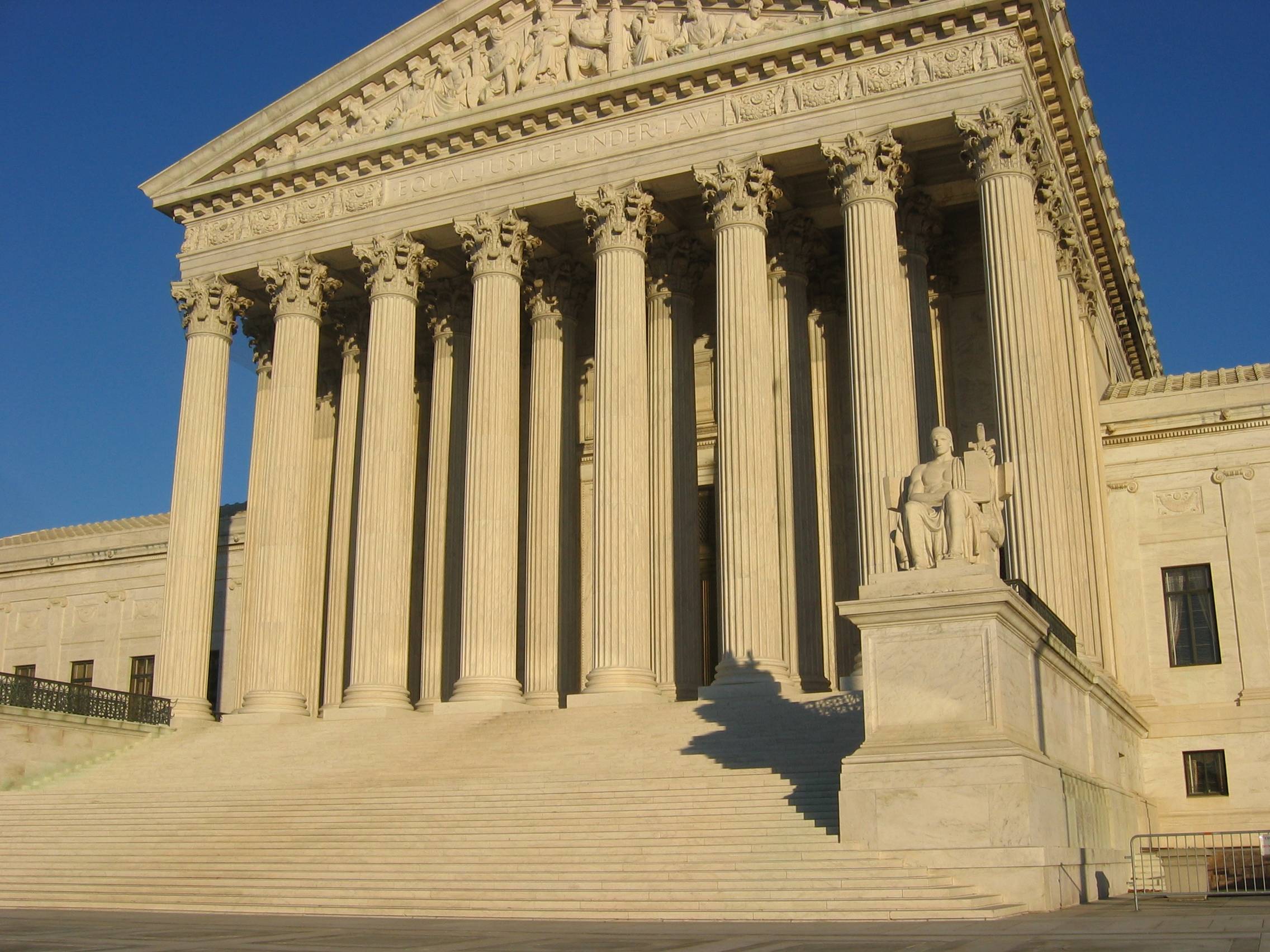
Washington — The U.S. Supreme Court on October 19 agreed, in its orders list, to hear the Justice Department's appeal in the home distilling case and will decide whether Congress had constitutional authority to ban distilling spirits in private homes. According to Reuters, the case is Department of Justice v. McNutt, No. 26-204, and the justices took up the government's appeal of a Fifth Circuit ruling against the ban. The grant of review only accepts the case for argument; it does not itself strike down the ban or legalize home distilling nationwide.
The law at issue traces to July 1868, when, after the Civil War, Congress moved against widespread evasion of the federal liquor tax. Current law bars a distilled spirits plant from being located in any dwelling house, or in any shed, yard or enclosure connected with a dwelling house; violators face up to five years in prison and a $10,000 fine. Brewing beer and making wine at home are not covered by the ban, and commercial distilling is legal and taxed. In its petition, the Justice Department said Congress restricted home distilling 160 years ago in response to an extensive history of evasion of the distilled-spirits tax, and that the government has a substantial interest in safeguarding a source of revenue that now generates billions of dollars a year. Solicitor General D. John Sauer pointed to what he called the ban's venerable history and commonsense rationale.
Lower appeals courts split in April, issuing conflicting rulings 11 days apart. A three-judge panel of the New Orleans-based Fifth Circuit declared the ban unconstitutional. Writing for the court, Judge Edith Hollan Jones said the provisions raise no revenue and go beyond Congress's taxing power, and are not necessary and proper to carrying out that power; the panel upheld a 2024 ruling by U.S. District Judge Mark Pittman in Fort Worth, Texas, barring enforcement against the plaintiffs, who include the Texas-based Hobby Distillers Association and its members. Days later, the Cincinnati-based Sixth Circuit upheld the ban in a case brought by John Ream, a brewpub owner from Newark, Ohio, calling it a necessary and proper means of collecting the federal excise tax on distilled spirits.
The challengers are represented by the Buckeye Institute, whose president and CEO, Robert Alt, said after the grant that the institute is thrilled the Supreme Court took the McNutt case and that its clients will have their day in court. Attorneys general from 15 Republican-led states, including Ohio, Florida and Idaho, also filed a brief backing the challengers and urging the justices to resolve the split between the circuits. Oral arguments are expected in early 2027, with a ruling due by the end of June 2027, when the Court's term closes.
Published by GSM · USA (original Chinese edition)
Photo: 图:美国最高法院大楼。Duncan Lock 摄,CC BY-SA 3.0,经 Wikimedia Commons 发布。