FDA Grants Accelerated Approval to Jemperli for Certain Rectal Cancers, Offering Some Patients a Path to Avoid Chemotherapy, Radiation and Surgery
WASHINGTON — The U.S. Food and Drug Administration on October 19 granted accelerated approval to Jemperli (dostarlimab-gxly), used alone, for adults with previously untreated stage II or III locally advanced rectal cancer whose tumors are mismatch repair deficient (dMMR) or microsatellite instability-high (MSI-H), as determined by an FDA-authorized test. The FDA said it is the first immunotherapy approved for this population, and that some patients may be able to avoid chemotherapy, radiation and surgery.
The approval rests mainly on interim results from the phase 2 AZUR-1 trial (NCT05723562), in which 154 patients received up to nine doses of Jemperli over about six months. By independent central review, 71% of patients received dostarlimab alone with no additional treatment and no disease progression, and the sustained 12-month clinical complete response rate (cCR12) was 47%. Investigator assessment showed 68% of evaluable patients achieved cCR12, and an exploratory analysis found 76% of evaluable patients had no evidence of cancer one year or more after treatment; no disease recurrences have been reported among responders after a median follow-up of more than two years. GSK said full interim data will be presented as a late-breaking abstract at the ESMO Congress 2026 in Madrid on October 25.
The application received Priority Review and Breakthrough Therapy designation and was reviewed under the Commissioner's National Priority Voucher pilot, finishing nearly four months ahead of schedule. Acting FDA Commissioner Kyle Diamantas, J.D., said completing the review early means some patients who might otherwise be preparing for surgery, radiation or chemotherapy may now have a different conversation with their doctor. Angelo de Claro, M.D., director of the FDA's Oncology Center of Excellence, said standard treatment for rectal cancer has major life-changing effects, and that for certain types of rectal cancer the approval is a groundbreaking option that avoids surgery, radiation and chemotherapy, adding that the FDA is acting on emerging evidence while requiring further studies to confirm lasting benefit.
In an earlier Memorial Sloan Kettering study (NCT04165772) of 50 patients, dostarlimab produced meaningful and sustained clinical complete responses at 12 months, with 93% of patients maintaining cancer-free status for at least 12 months. Andrea Cercek, M.D., of Memorial Sloan Kettering, said the AZUR-1 results demonstrate the potential for a fundamentally different treatment approach in this biomarker-defined population.
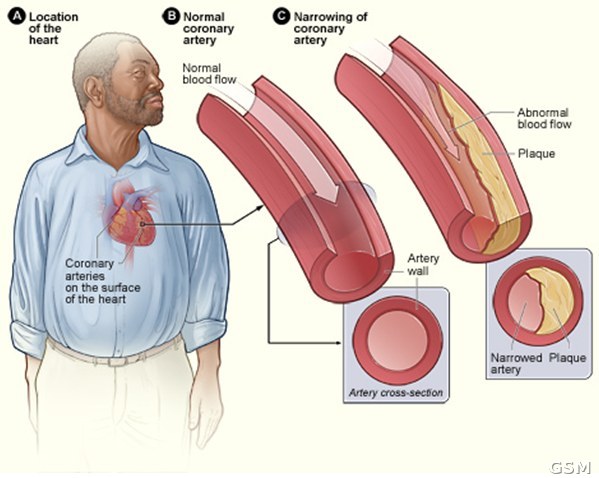
About 5% to 10% of rectal cancers are MSI-H/dMMR tumors. Standard treatment for locally advanced rectal cancer often combines chemotherapy, radiation and surgery, which can affect bowel, bladder and sexual function and sometimes requires a permanent ostomy. The FDA noted that Jemperli can cause the immune system to attack healthy organs and tissues, and that common adverse effects include fatigue, rash, diarrhea and itching. Because this is an accelerated approval, continued approval may depend on confirmatory trial results.
Published by GSM · USA (original Chinese edition)
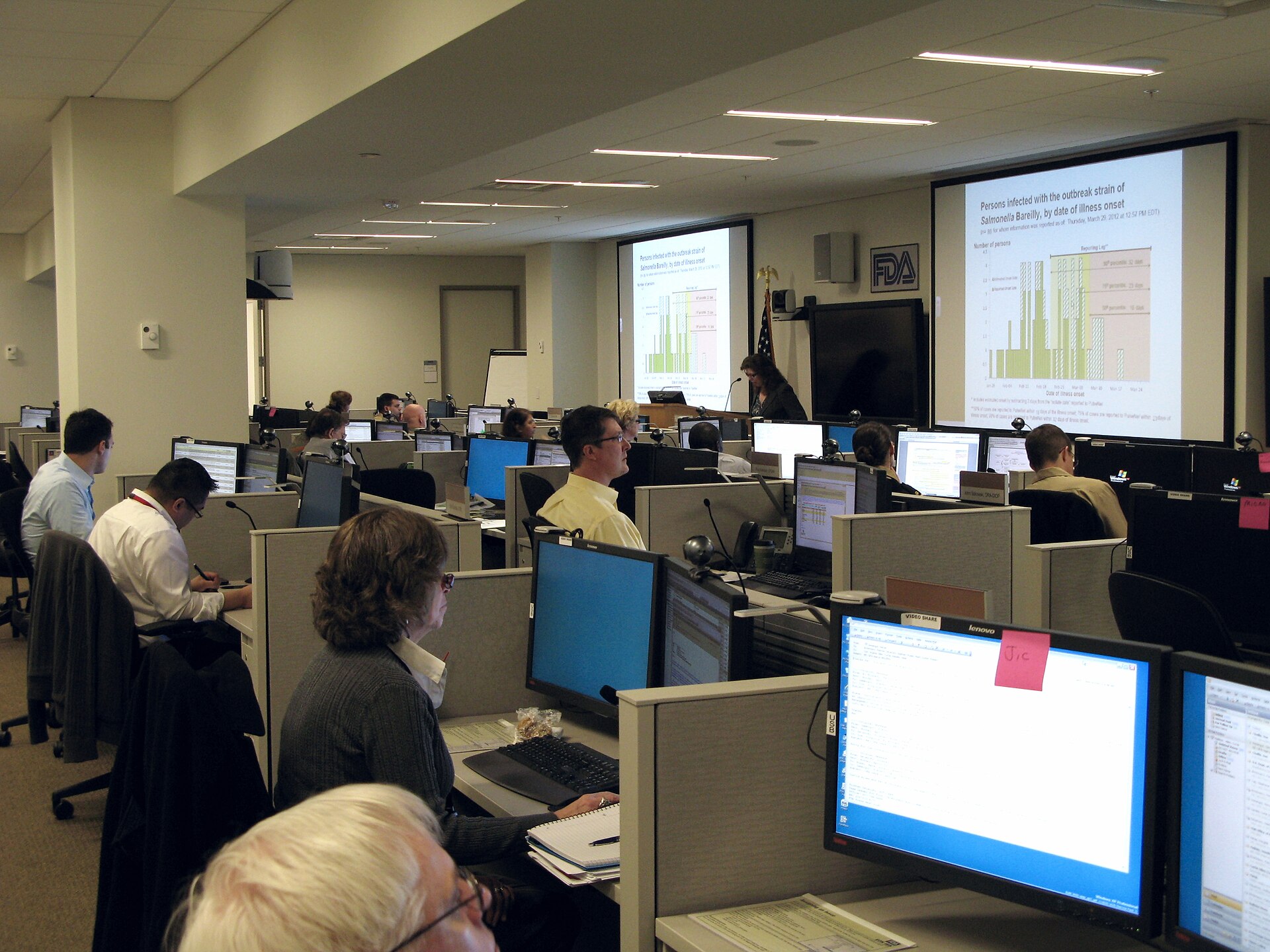
Photo: 美国食品药品监督管理局(FDA)紧急行动中心(资料照片)。美国食品药品监督管理局摄,公共领域图片,经 Wikimedia Commons 发布。