Most Chinese-Heritage Academics in Australia Say Security Concerns Are Affecting Research, Survey Finds
Most scholars of Chinese heritage in Australia say national security concerns are affecting their research, according to a survey and interview study reported by Times Higher Education on October 19. Respondents agreed with the rationale for managing security risks in international research collaboration, but not with how the measures are implemented.
Sun, who conducted the interviews, said most interviewees were scientists who know little about politics and do not want to get involved. One professor in photonics said: 'We came here full of enthusiasm, wanting to give something back. We've made contributions to this country. Why do we face this kind of discrimination after contributing so much? Maybe we've just been too quiet. Even when we're treated unfairly, we don't speak up.'
The study found co-authorship and informal scholarly exchange broadly stable compared with more structured forms of collaboration — joint grants, co-supervision and infrastructure sharing — which have been hit harder. Recent amendments to the Foreign Relations Act require universities to disclose projects organised at researcher-to-researcher level, which could also put informal links under threat. Nineteen per cent of respondents disagreed that Australia needs policies to manage security risks in international research collaboration, and 18 per cent had no view; Sun said this probably reflected disillusionment with how Australia has handled research security rather than scepticism about the need for it.
Source: GSM · USA (original Chinese edition)
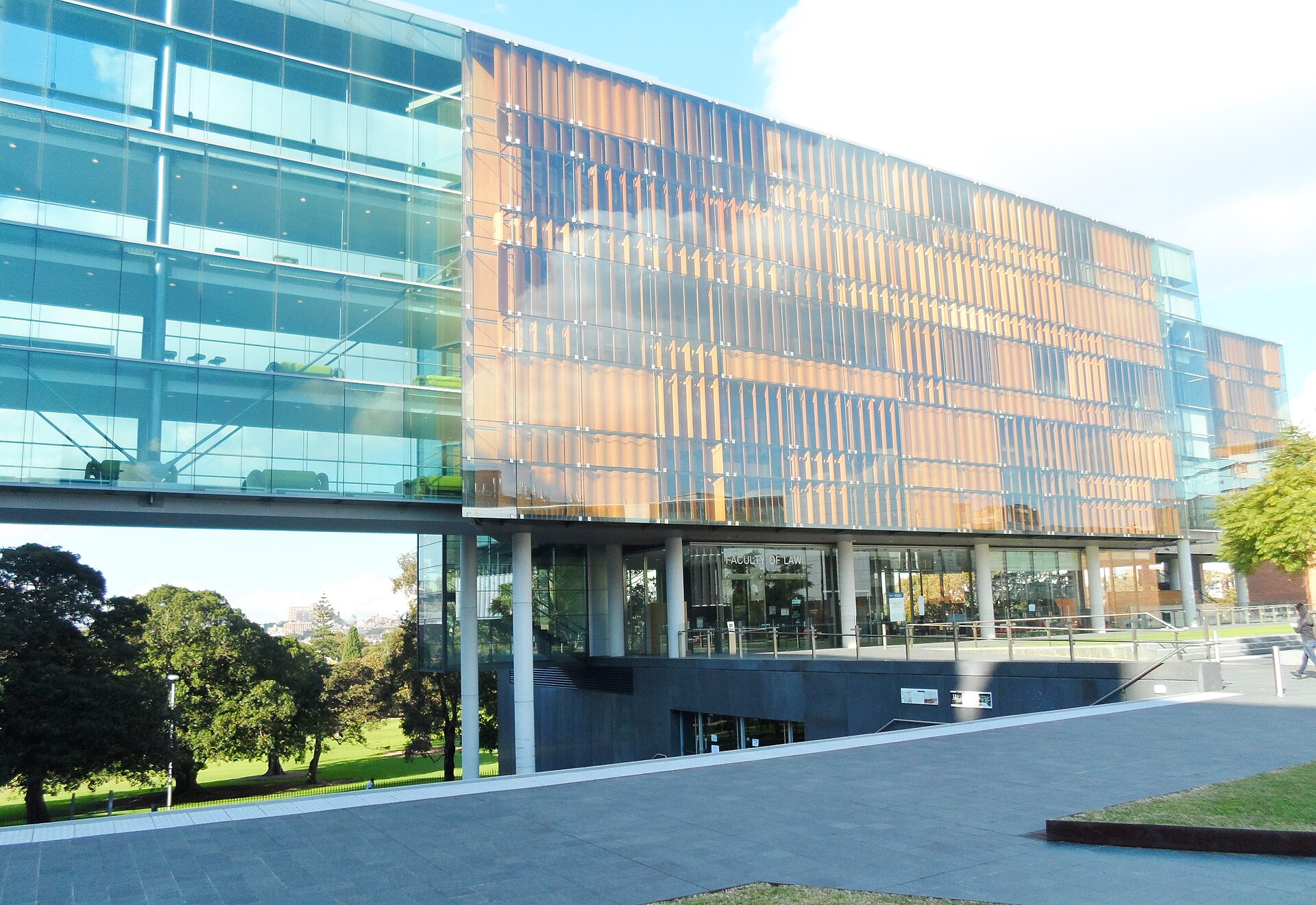
Photo: 图:悉尼大学建筑(资料图)。来源:Wikimedia Commons,CC0 / Photo: A University of Sydney building (file photo). Source: Wikimedia Commons, CC0