Daylight Saving Time Ends November 1; Clocks Go Back One Hour as Permanent-DST Bill Waits in the Senate
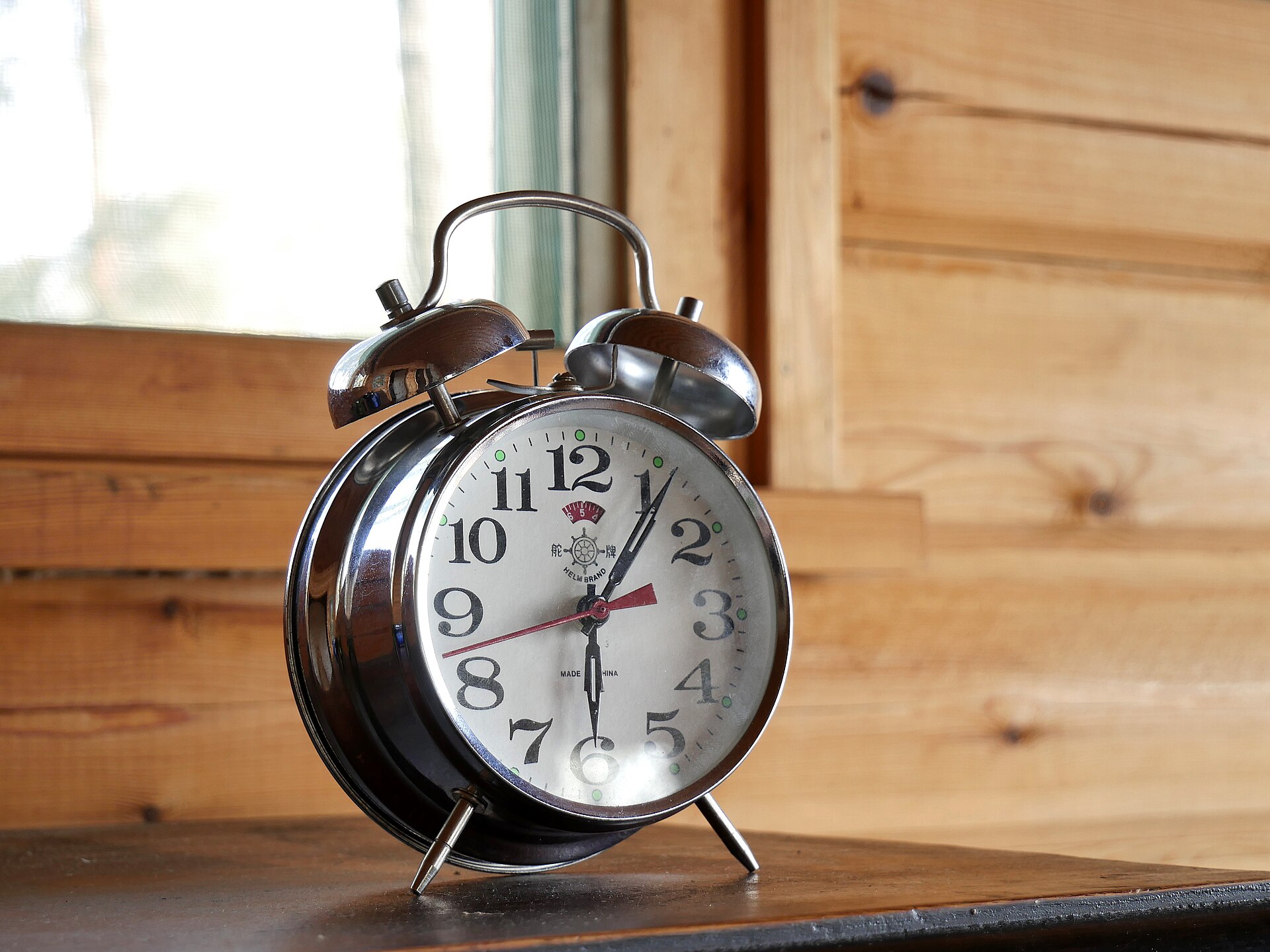
Daylight saving time in the United States will end at 2 a.m. local time on Sunday, November 1, when clocks in most of the country move back one hour to 1 a.m., giving Americans an extra hour of sleep and bringing earlier winter sunsets. This year's end date is the earliest possible under the current system.
Since 2007, U.S. daylight saving time has run from the second Sunday in March to the first Sunday in November. Hawaii, most of Arizona (except the Navajo Nation) and territories including Puerto Rico and Guam stay on standard time year-round and do not change their clocks.
The debate over ending the twice-yearly change continues. According to USA Today and Florida news reports, the U.S. House approved legislation in July that would make daylight saving time permanent; the bill is awaiting action in the Senate, and the current schedule remains in place unless it becomes law. A January 2025 Gallup poll found 54% of Americans wanted to end the practice of changing clocks, while a 2023 YouGov survey found 62% favored eliminating the changes.
After the November 1 change, sunrise and sunset will both occur about an hour earlier by the clock, with brighter mornings and darker evenings.
Source: GSM · USA (original Chinese edition)
Photo: 闹钟(示意图)。图:Santeri Viinamäki/Wikimedia Commons,CC BY-SA 4.0。An alarm clock (illustration). Photo: Santeri Viinamäki / Wikimedia Commons, CC BY-SA 4.0.
- 2026-10-19Daylight Saving Time Ends November 1; Clocks Go Back One Hour as Permanent-DST Bill Waits in the SenateThis story
- 2026-10-31Follow-Up: Daylight Saving Time Ends Tonight, Set Clocks Back an Hour Before Bed