FDA Issues Final Guidance on Prescription Drug Use-Related Software: Clarifies When Apps Belong in Drug Labeling and When They Are Promotional
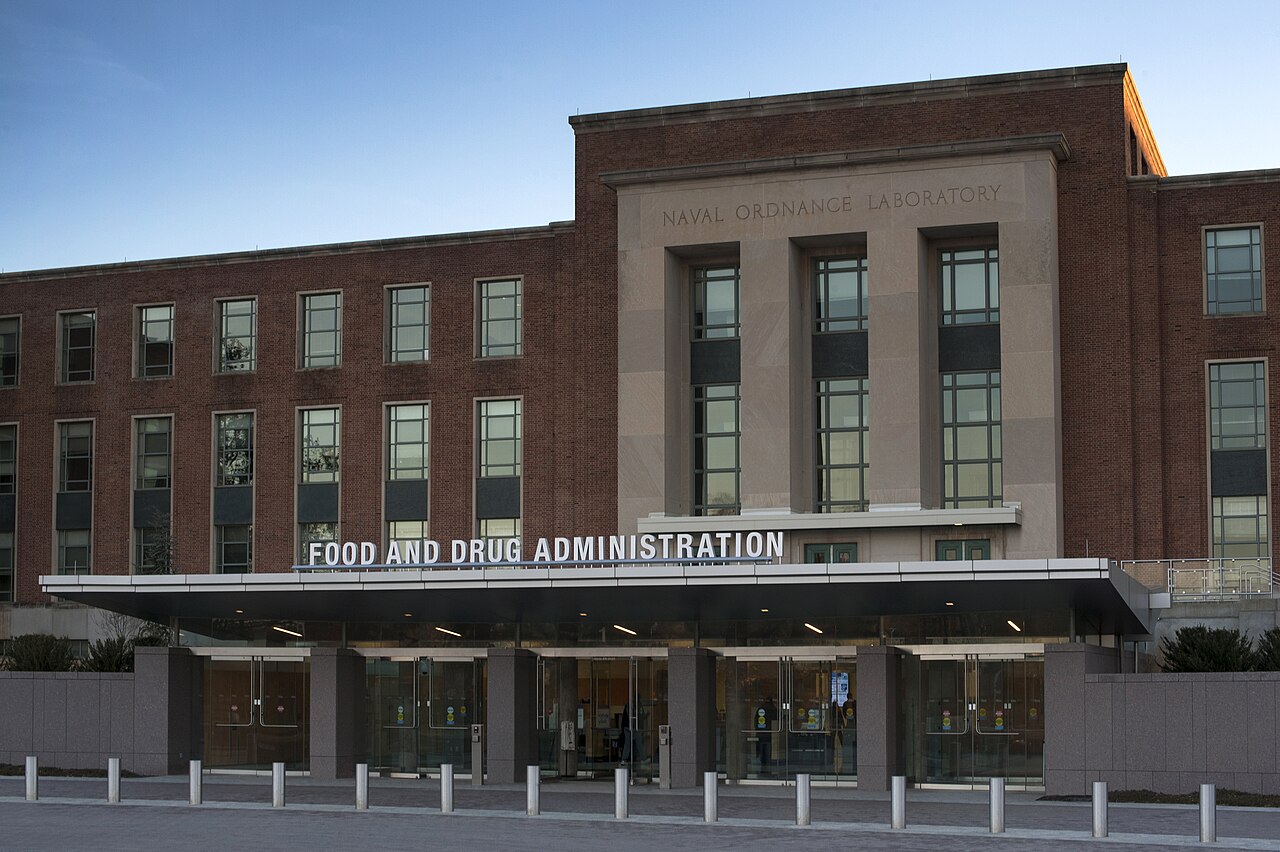
The U.S. Food and Drug Administration (FDA) on October 20 issued its final guidance, Regulatory Considerations for Prescription Drug Use-Related Software (PDURS), providing a framework for how companion software, such as mobile apps, associated with prescription drugs will be regulated. The guidance clarifies how drug companies can develop, distribute and label apps used alongside their prescription medicines, and takes effect upon issuance. The FDA is headquartered in Silver Spring, Maryland.
The guidance covers software functions distributed by or on behalf of a sponsor for use with one or more of its prescription drugs or biologics, including software that tracks symptoms, provides reminders or coaching, and software linked to medical devices. The FDA treats the content displayed to end users of such software — the end-user output — as a type of prescription drug labeling. The guidance outlines when content in these apps must be submitted to the FDA, when the apps should be referenced in a drug's prescribing information, and what information companies need to provide to the regulator.
Under the guidance, apps linked to medical devices, such as software paired with an asthma inhaler that relies on data transferred directly from the device, should generally be included in the associated drug's label. Standalone apps that track symptoms, provide reminders or offer coaching should be listed in the label only if they are essential for the medicine's safe and effective use or offer a meaningful clinical benefit supported by evidence. In most cases, information displayed to patients through a companion app will be treated as promotional labeling, consistent with the regulator's approach to other forms of drug advertising, and must be submitted to the FDA at the time of initial dissemination; software updates that do not alter the end-user output, such as security patches, do not need to be submitted.
In deciding whether software output is FDA-required labeling or promotional labeling, and whether a software function should be described in the prescribing information, the FDA weighs factors including whether the function is essential to the safe and effective use of the product, whether evidence supports a clinical benefit, and whether the software relies on data directly transferred from the device constituent part of a combination product. The FDA said the guidance intends to reduce regulatory uncertainty for drugmakers and technology developers while maintaining safety and effectiveness standards.
Published by GSM · USA (original Chinese edition)
Photo: 位于马里兰州 Silver Spring 的食品药品监管局(FDA)总部 White Oak 园区入口。照片:美国食品药品监管局,公共领域,经维基共享资源/Entrance to the headquarters of the U.S. Food and Drug Administration at the White Oak campus in Silver Spring, Maryland. Photo: U.S. Food and Drug Administration, public domain, via Wikimedia Commons