Peru Amazon Basic Income Pilot Evaluation Released: 211 Indigenous People Received Unconditional Cash for Two Years, Food Insecurity Nearly Halved
Lima — An evaluation released on October 20 by charity Cool Earth and the University of Bath found that a two-year unconditional basic income pilot in three Indigenous communities in Peru's Asháninka region, in Junín Province in the central Peruvian Amazon, significantly improved food security, with about 90 percent of participants voluntarily adopting forest-friendly practices such as reforestation and reduced burning. The organizers describe it as the world's first basic income pilot for Amazonian Indigenous peoples.
Running from November 2023, the pilot covered 211 Asháninka and Yanesha adults, each receiving six transfers of 1,032 Peruvian soles (about $280, roughly £2 a day) every four months, with no conditions on how the money was spent. The programme was co-designed by Cool Earth with the Indigenous women's organizations ONAMIAP and OMIAASEC, and paired with voluntary 'Cash Plus' training covering financial management, Indigenous rights, governance, conservation and climate change. Funding came from Liberty Specialty Markets and the People's Postcode Lottery.
Analysis by UBI Bath, the University of Bath's Universal Basic Income research group, found food insecurity fell by nearly half during the pilot, the share of people forced to leave home for casual work dropped from 43 percent to 18 percent, and about 90 percent of participants joined collective environmental action such as replanting springs and protecting water sources. Dr Nick Langridge, a co-author of the report, said that when communities have greater security and autonomy, they are better able to protect the ecosystems they depend on.
The evaluators note the study was small, had no comparison group and did not measure the forest directly, so the findings are preliminary evidence for what they call 'conservation basic income.' The organizers say they hope the model can offer a replicable financing approach for poverty reduction and rainforest protection in the Amazon, with any scale-up dependent on further data.
Source: Compiled from Cool Earth's October 20, 2026 release and the University of Bath evaluation summary.
Source: GSM · USA (original Chinese edition)
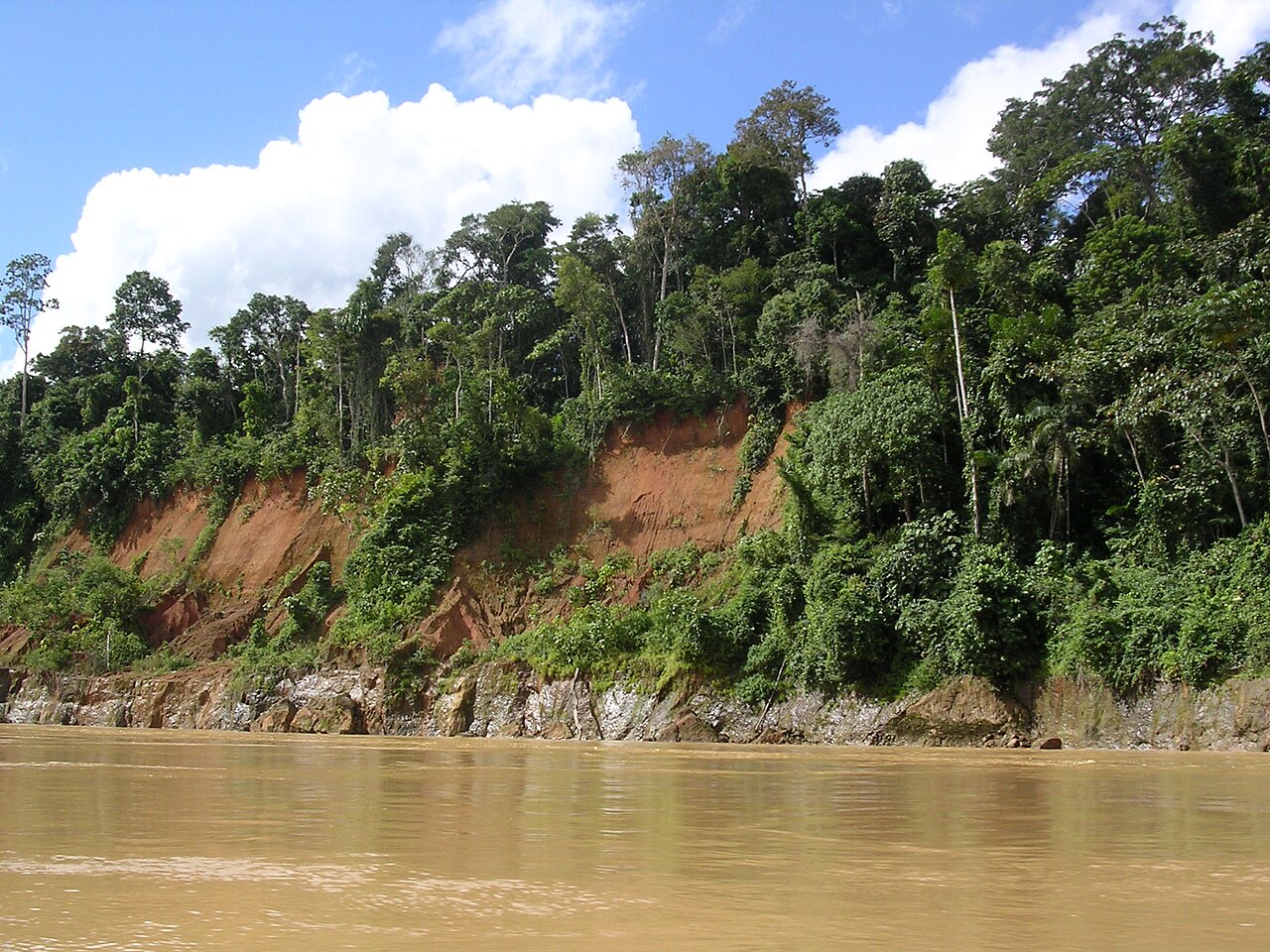
Photo: 资料图:秘鲁亚马孙河流域(Rio Madre de Dios),Roosevelt Garcia 摄,公共领域(Wikimedia Commons)