Trump Defends Waiving New Russia Sanctions: Says He Will Not Drive Moscow From the Bargaining Table; Bessent Says No Existing Sanctions Were Lifted
President Trump on October 19 defended his decision to waive sweeping new sanctions on Russia. 'I am in the process of negotiating Peace in the war between Russia and Ukraine, and don't want to do anything that will drive, foolishly, Russia away from the bargaining table,' he wrote on Truth Social. He added that Russia was providing less assistance to Iran than it potentially could and that he wanted to preserve that situation, and he criticized Ukrainian attacks on Russian diesel refineries for disrupting international fuel supplies.
The dispute stems from an executive order Trump signed at the White House on October 16 implementing the Lindsey O. Graham Sanctioning Russia and Iran Act of 2026 (the Graham Act), which he had signed into law on September 18. Section 2 of the order sets out a 500 percent additional duty on goods from Russia, a 100 percent duty on goods from the five largest importers of Russian crude oil and natural gas that knowingly make new purchases on or after October 18, and a 100 percent duty on goods from the top five facilitators of Russian oil sanctions evasion. Section 4 then waives all of those duties — and a long list of the Act's sanctions on foreign persons, financial institutions and state-owned entities — under Section 115 of the Act, with Trump certifying to Congress that the waiver is in the national interests of the United States. The waivers have no end date and remain in effect until the President or the Secretary of State determines further action is appropriate; the order expressly leaves untouched sanctions imposed under earlier executive orders, and directs the U.S. Trade Representative to monitor purchases of Russian oil and sanctions evasion and report to the President.
Treasury Secretary Scott Bessent said on NBC's Meet the Press on October 18: 'No sanctions were lifted on Friday.' He and Secretary of State Marco Rubio described the waiver as a pause of about 60 days to assess the measures' global economic impact; Bessent said the United States had asked European allies to impose secondary sanctions on China and India over Russian oil purchases and they refused, and noted Europe had waived its embargo on Russian diesel and jet fuel in May. Speaking to reporters in Uzbekistan on October 19, Rubio said a trade deal with India was 'very close' and was one of the considerations behind the President's decision; India is among the five largest buyers of Russian crude and its goods would have faced duties of up to 100 percent had the tariffs taken effect.
The waiver drew bipartisan criticism in Washington: according to a sanctions update by the law firm Steptoe, Republican Senators including Thom Tillis and John Cornyn expressed opposition, while Democratic Representative Don Beyer argued the decision was inconsistent with the law's purpose and called on Congress to limit the President's waiver authority.
Source: GSM · USA (original Chinese edition)
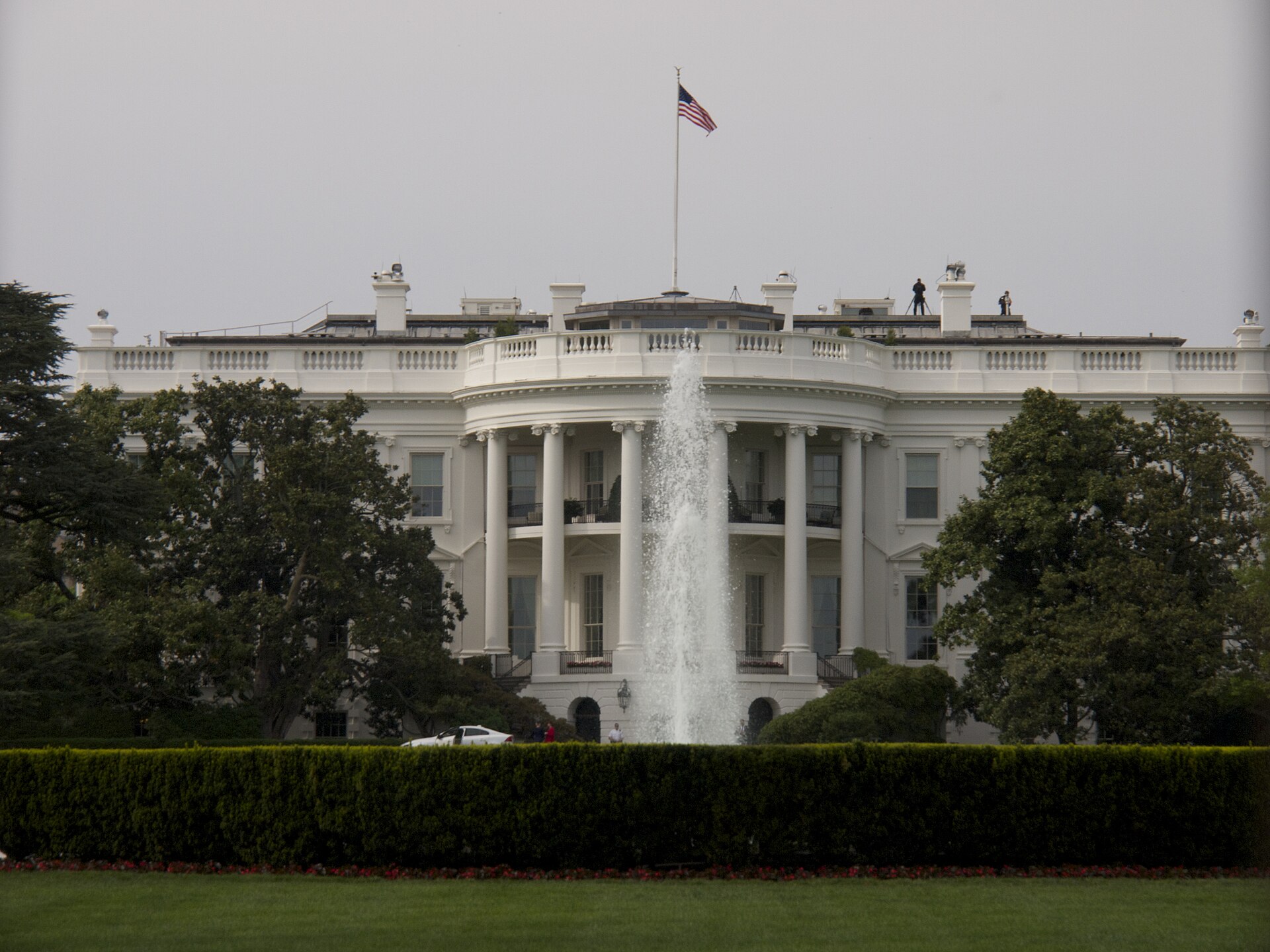
Photo: 图:华盛顿白宫南立面与南草坪喷泉(资料图),CC BY-SA 3.0,经 Wikimedia Commons。Photo: The south facade of the White House and the South Lawn fountain in Washington (file photo), CC BY-SA 3.0, via Wikimedia Commons.