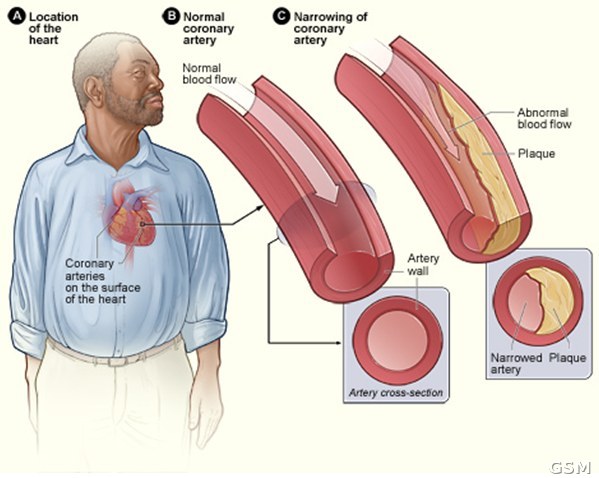
Cedars-Sinai Study: Heart Attack ER Visits Rose 46% After L.A. Wildfires, Abnormal Labs Stayed Elevated
LOS ANGELES — A Cedars-Sinai study found that in the 90 days after the January 2025 wildfires in Los Angeles' Pacific Palisades and Altadena communities, residents of ZIP codes in or adjacent to the fire zones visited emergency departments for respiratory illness at rates 24 percent above the average of the previous seven Januarys, for heart attacks at rates 46 percent higher, and received abnormal blood-chemistry results at rates 118 percent higher — and those laboratory abnormalities remained elevated well beyond the study's 90 days. The study, published in the Journal of the American College of Cardiology (JACC), is part of the L.A. Fire Health Study, a collaboration among leading medical research institutions nationwide.
Susan Cheng, MD, chair of Cardiology at Cedars-Sinai, who led the study, said the two fires were among the largest wildland-urban interface fires in U.S. history, and that the increases in heart attacks and respiratory illness matched or exceeded all prior Januarys going back seven years, including the worst COVID-19 years. Joseph Ebinger, MD, director of Clinical Analytics in the Smidt Heart Institute, said the laboratory abnormalities "weren't linked to specific symptoms, and weren't explained by any concurrent diagnoses of overt organ dysfunction" — electrolytes or acid-base status coded as abnormal, for example, without a diagnosis of kidney failure. The signs indicate some toxins released by the fires were absorbed into the blood and caused systemic issues, he said, with systemic inflammation the researchers' suspected driver of both the heart attacks and the abnormal labs.
The study also highlights firefighters' heart health: the National Institute for Occupational Safety and Health has for many years found cardiovascular disease to be the single greatest cause of firefighter deaths in the line of duty, a rate Cheng said is a corollary to the heart-attack signal seen among civilian residents after the fires. Cedars-Sinai has begun health screenings for Los Angeles firefighters and plans to follow a cohort of them longitudinally, checking blood and biophysical measures to see how workplace exposures affect their health trajectories. The investigators also plan to keep following the post-fire ER patients to determine whether the exposures are associated with changes in long-term health or healthcare use.
Published by GSM · USA (original Chinese edition)
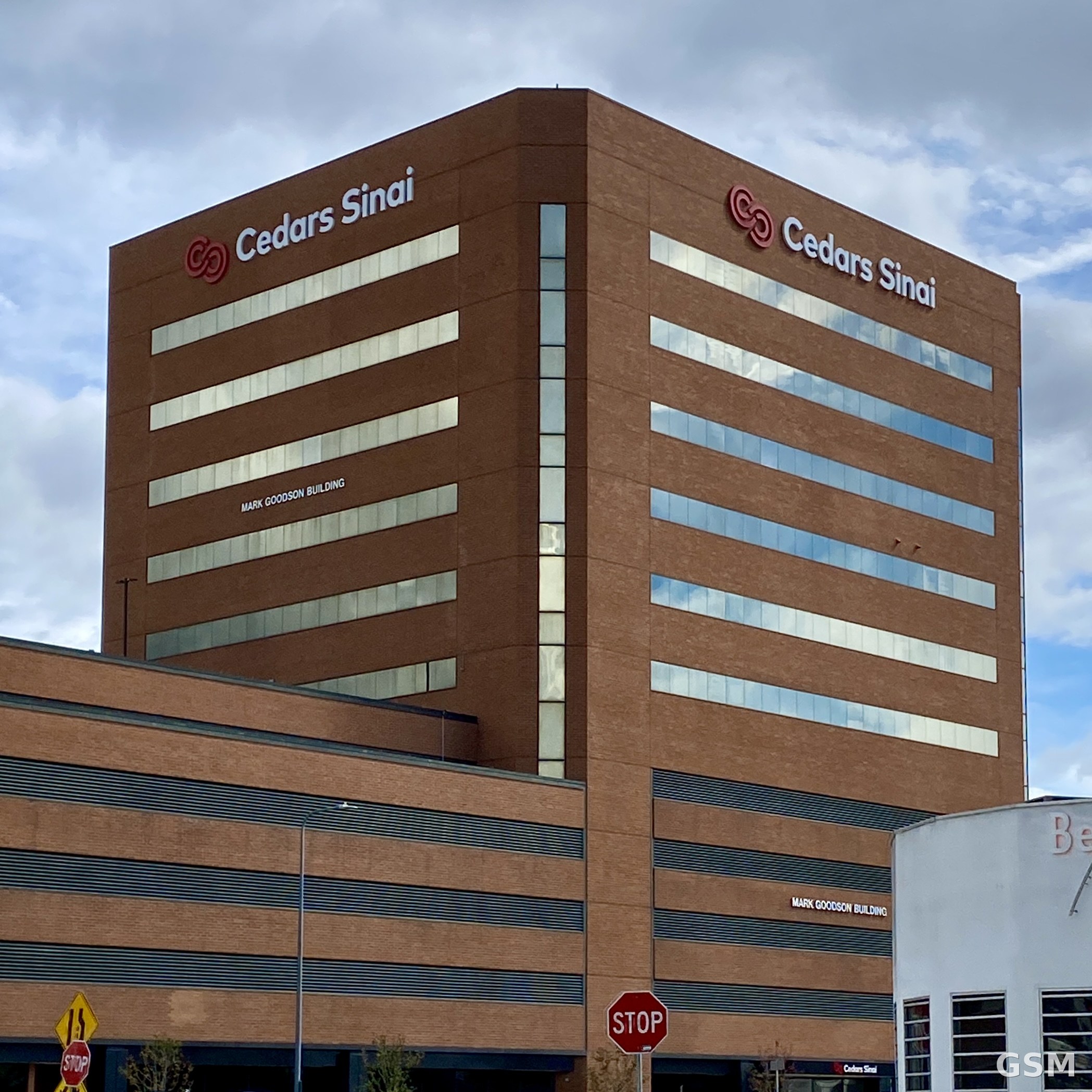
Photo: 图:位于洛杉矶的雪松西奈医疗中心(Cedars-Sinai Medical Center)Mark Goodson 大楼(2024年摄)。照片:Jengod,CC BY-SA 4.0,经 Wikimedia Commons。 / The Mark Goodson Building at Cedars-Sinai Medical Center in Los Angeles (2024). Photo: Jengod, CC BY-SA 4.0, via Wikimedia Commons.