Connecticut Marks International Bat Week as White-Nose Syndrome Cuts Three Bat Species by Over 90%
Connecticut's Department of Energy and Environmental Protection (DEEP) announced on October 21 that it will take part in International Bat Week, October 24-31, drawing attention to the state's declining bat populations. Acting Commissioner Emma Cimino said bats are both a Halloween icon and a key part of Connecticut's ecosystem.
White-nose syndrome, caused by an invasive fungus, has killed millions of bats in the United States and Canada since 2006. Northern long-eared, little brown and tri-colored bats have declined by more than 90% in the Northeast in under a decade. Of the six Connecticut species hit hardest, all but the big brown bat are listed under the state endangered species law. DEEP's wildlife division has monitored the state's bats since 2007.
A colony of 150 big brown bats can eat about 1.3 million insects a year, and bats provide at least $3 billion a year in pest-control value to U.S. agriculture. DEEP urged residents to cut pesticide use, plant native pollinator gardens, protect roosting and hibernation sites, reduce outdoor lighting at night, and consider installing bat houses.
Published by GSM · USA (original Chinese edition)
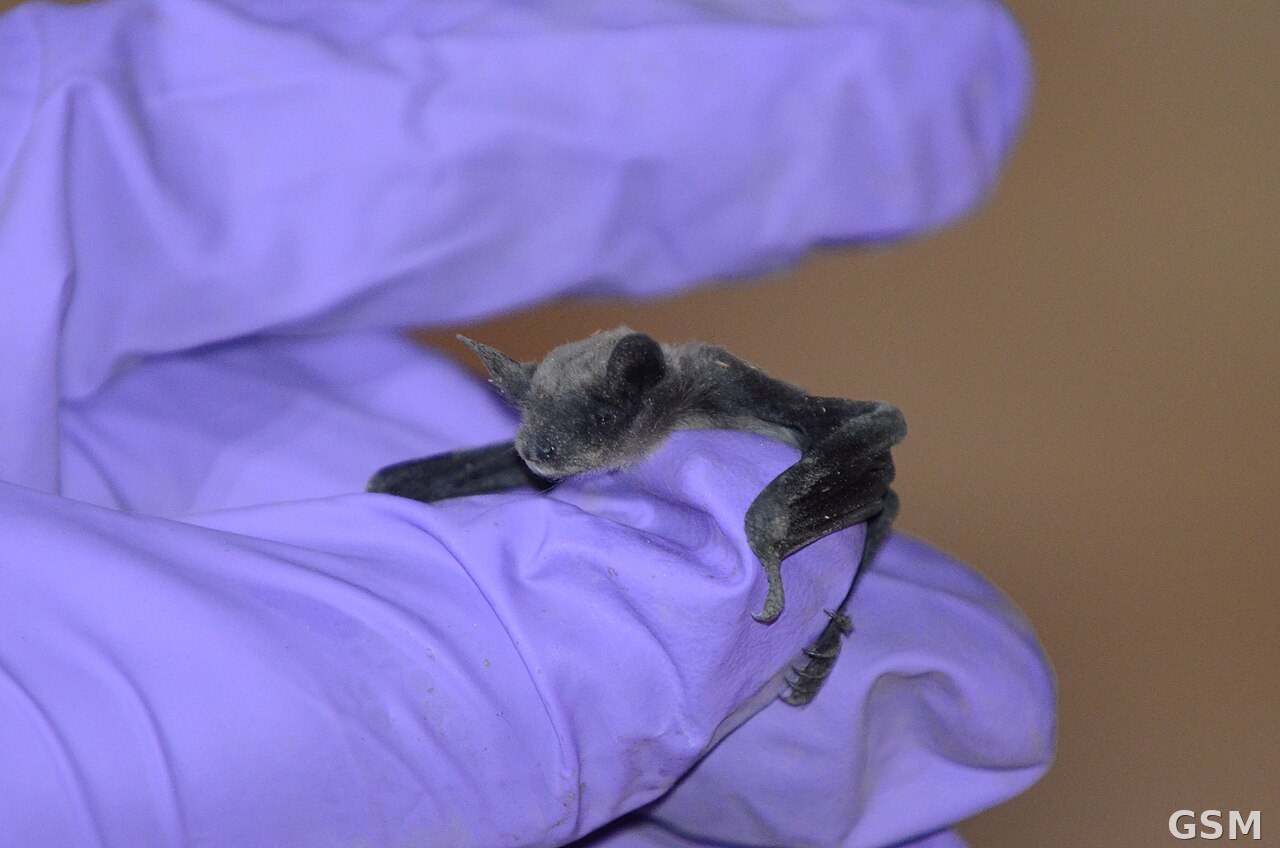
Photo: 图:小棕蝠。摄影:Austin Waag,Public domain(Wikimedia Commons)。Photo: a little brown bat. Photo by Austin Waag, Public domain (Wikimedia Commons).