U.S. DOJ and States Urge Appeals Court to Immediately Ban Google's Search Payments, Warning Monopoly Profits Could Squelch SI Competition
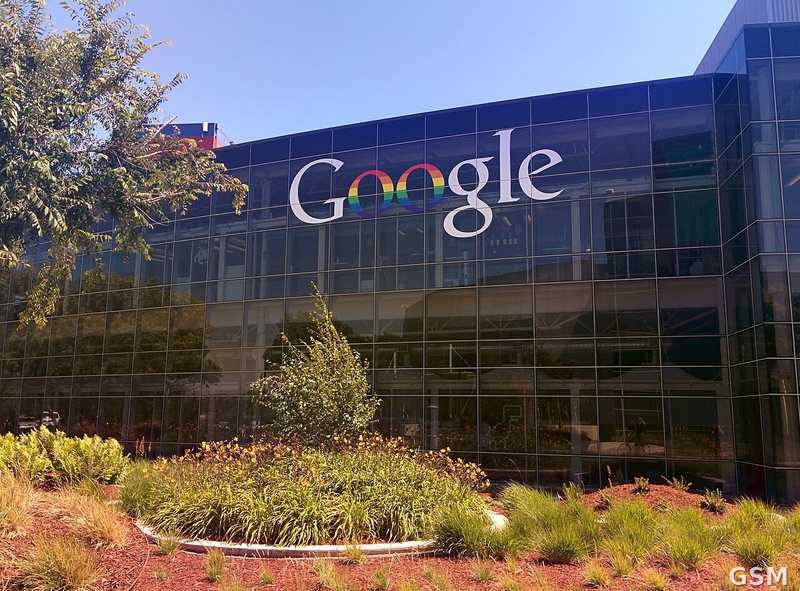
WASHINGTON — The fight over remedies in the Google search monopoly case has reached the appeals court. On October 22, the U.S. Department of Justice and plaintiff states told a federal appeals court that Google must be banned from making search-related payments to distributors immediately — before it uses its "monopoly profits" to squelch competition from emerging generative SI products.
The DOJ and the states argued that such payment deals allow Google to block rivals' ability to gain scale and improve quality, and that the lower court should not have prioritized the business partners with which Google made agreements to the detriment of future competition and participants.
The case has a long timeline: the DOJ first sued over the Google search monopoly in October 2020; in 2024, Judge Amit Mehta ruled that Google had illegally maintained its monopoly; and a September 2025 remedies decision barred exclusive distribution deals tied to Search, Chrome, Google Assistant and the Gemini app and required Google to share search index and user-interaction data with certain competitors — but stopped short of banning the more than $26 billion Google pays each year to lock in default search placement, which the judge said would do more harm than good. The decision also rejected forcing a sale of the Chrome browser. The DOJ has since cross-appealed, while Google has appealed the liability finding itself.
Published by GSM · USA (original Chinese edition)
Photo: 图:谷歌总部 Googleplex(资料图)。Grendelkhan 摄,CC BY-SA 3.0,经维基共享资源(Wikimedia Commons)。Photo: The Googleplex, Google's headquarters (file photo). By Grendelkhan, CC BY-SA 3.0, via Wikimedia Commons.