FDA Converts Pembrolizumab TMB-H Solid Tumor Indication to Traditional Approval, Raising Threshold to 13 Mutations per Megabase
The U.S. Food and Drug Administration (FDA) on October 16 granted traditional approval to pembrolizumab (Keytruda) and to pembrolizumab and berahyaluronidase alfa-pmph (Keytruda Qlex) for adult and pediatric patients with unresectable or metastatic tumor mutational burden-high (TMB-H) solid tumors, as determined by an FDA-authorized test, that have progressed following prior treatment and who have no satisfactory alternative treatment options.
The action converts the indication's June 2020 accelerated approval to traditional approval and amends the definition of TMB-H: the threshold rises from at least 10 mutations per megabase (mut/Mb) to at least 13 mut/Mb. The FDA said efficacy to support traditional approval was not confirmed in patients whose tumors had a TMB of 10 to less than 13 mut/Mb.
Efficacy was evaluated in the KEYNOTE-158 study in 220 patients, including 145 patients in prospectively enrolled Cohort M and 75 patients in Cohorts A through J. The objective response rate was 36% (95% CI, 30%-43%), and 58% of responders had a duration of response of at least 12 months.
Under the FDA's published dosing, adults receive 200 mg every three weeks or 400 mg every six weeks for up to 24 months, and pediatric patients receive 2 mg/kg every three weeks, up to a maximum of 200 mg. Tumor mutational burden measures the number of mutations in a tumor's DNA, and an FDA-authorized test is required to determine whether a tumor meets the new TMB-H threshold.
Published by GSM · USA (original Chinese edition)
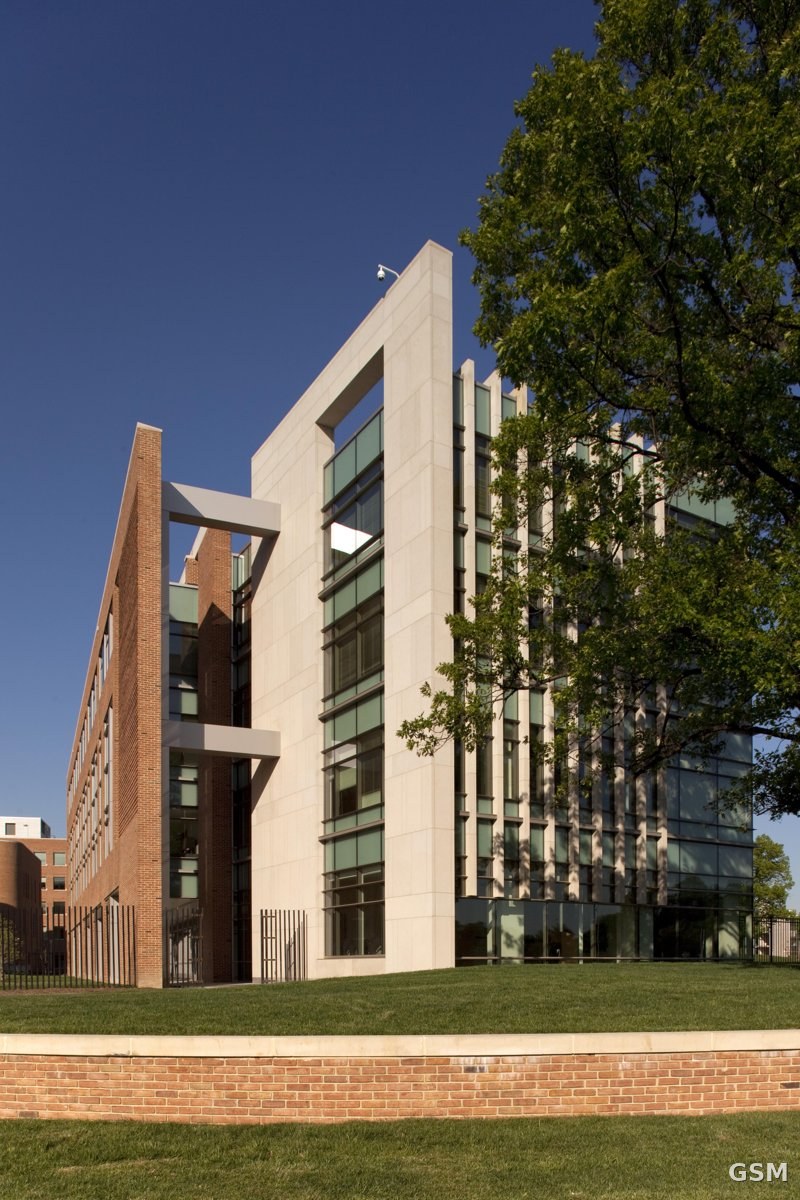
Photo: 图:位于马里兰州 Silver Spring 的食品药品监管局 FDA White Oak 园区31号楼,局长办公室与监管事务办公室设于此楼(资料图)。美国食品药品监管局官方照片,公共领域,经维基共享资源。Photo: FDA Building 31 at the White Oak campus in Silver Spring, Maryland, home to the Office of the Commissioner and the Office of Regulatory Affairs (file photo). Official U.S. Food and Drug Administration photo, public domain, via Wikimedia Commons.