United States Obtains $4 Million Penalty in Settlement With Estate of Harry D. Silverstein Over Lead Paint Violations
NEW YORK — The U.S. Department of Justice on October 22 announced a $4 million penalty in a settlement with the Estate of Harry D. Silverstein, resolving a civil lawsuit alleging routine violations of federal lead paint safety laws across a portfolio of more than 1,000 apartments in New York City. The settlement was approved on October 21 by U.S. District Judge Dale E. Ho.
The settlement was announced by U.S. Attorney for the Southern District of New York Jamie McDonald, Drew McCall, Chief of Staff of the U.S. Department of Housing and Urban Development (HUD), and Acting Inspector General Brian D. Harrison of the HUD Office of Inspector General. Prosecutors alleged that Silverstein and the Estate systematically violated two federal rules: the Lead Disclosure Rule, which requires landlords to inform tenants about lead exposure risks and disclose known lead paint hazards before lease agreements, and the Environmental Protection Agency (EPA) Renovation, Repair and Painting Rule, which sets certification, training and work-practice requirements for renovations that disturb painted surfaces.
According to the complaint, Silverstein owned, managed and controlled more than 1,000 apartments in 14 New York City buildings built before 1978 until his death in 2016. The Estate then owned and managed those apartments, in some cases until they were sold in 2020. For years, prosecutors said, Silverstein and the Estate failed to provide tenants with lead disclosures and failed to use certified contractors when disturbing painted surfaces. At least 11 children tested positive for lead poisoning in the buildings after 2012 while Silverstein or the Estate owned or managed them.
In the settlement, the Estate admits and accepts responsibility, including that the New York City Department of Housing Preservation and Development issued lead-based paint violations in the buildings, and that on one or more occasions it could not locate evidence that Silverstein provided a Lead Warning Statement or EPA-approved lead hazard pamphlet to tenants entering new leases.
McDonald said his office is committed to protecting the health and safety of New Yorkers and that landlords and renovators who violate laws designed to protect children from lead poisoning will face action. McCall said landlords of homes built before 1978 must warn tenants about known lead, and that the defendant ignored the requirement. Harrison said the HUD Office of Inspector General has zero tolerance for landlords who place families at risk.
The Justice Department said lead is toxic and lead poisoning can affect children's brains and developing nervous systems, causing reduced IQ, learning disabilities and behavioral problems, with deteriorated lead paint and renovation dust the most common source for children. The case is being handled by the Environmental Protection Unit of the Civil Division of the U.S. Attorney's Office, with Assistant U.S. Attorneys Jacob Lillywhite and Jessica F. Rosenbaum in charge.
Published by GSM · USA (original Chinese edition)
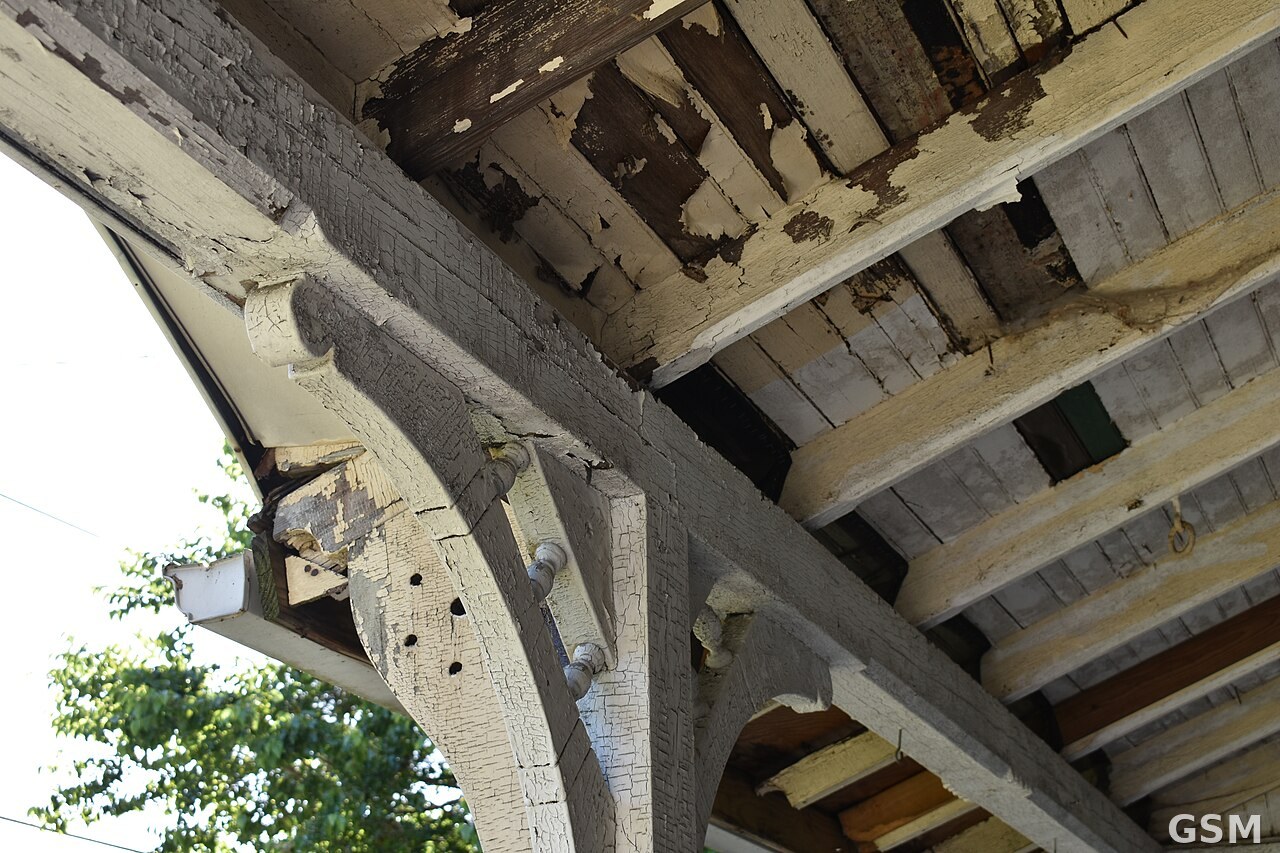
Photo: 图:开裂剥落的含铅油漆。含铅油漆是儿童铅中毒最常见的来源之一。照片:Ich,CC BY-SA 4.0,经 Wikimedia Commons。 / Cracking and flaking lead paint. Lead paint is a major source of childhood lead poisoning. Photo: Ich, CC BY-SA 4.0, via Wikimedia Commons.