NMHC October Survey: Apartment Debt Financing Index Falls to 10 From 46, 17% of Owners Facing Maturities Warn of Possible Foreclosures
Apartment financing conditions deteriorated sharply in October even as rental markets stayed relatively stable, according to the National Multifamily Housing Council's (NMHC) October Quarterly Survey of Apartment Market Conditions, released October 22. The Debt Financing Index fell to 10 from 46 in July, the Equity Financing Index dropped to 17 from 44, the Sales Volume Index declined to 22 from 46, and the Market Tightness Index slipped to 47 from 57. An index below 50 means more respondents reported worsening than improving conditions. The survey collected views from 130 CEOs and senior executives at apartment firms nationwide between October 1 and 15.
Borrowing and property sales both weakened. Across the full survey, 81% of respondents said it was a worse time to borrow than three months earlier, while only 2% saw an improvement, and 66% reported less available equity financing. Sixty-one percent reported fewer apartment property sales than three months earlier, compared with 4% who reported more activity. The rental market was steadier: 53% reported no change in tightness, 26% said conditions had loosened and 21% said they had tightened.
Refinancing pressure drew the most concern. Twenty-two percent of respondents reported little near-term exposure to loan maturities. Among the remaining 78% with meaningful exposure, 17% said they or their clients may face foreclosure on certain properties — a share of respondents, not a forecast that 17% of apartment buildings or loans will enter foreclosure. Within that group, 61% said lender debt-service or loan-to-value requirements prevented refinancing the full amount of some maturing loans; 45% expected to contribute additional equity, 39% reported lenders allowing modifications or extensions, and 16% anticipated using mezzanine debt or preferred equity.
NMHC Chief Economist Chris Bruen attributed the deterioration to higher long-term interest rates and inflation. Owners who borrowed at unusually low rates in 2020 and 2021 now face refinancing at much higher borrowing costs, potentially requiring more equity, lender extensions or property sales.
Source: GSM · USA (original Chinese edition)
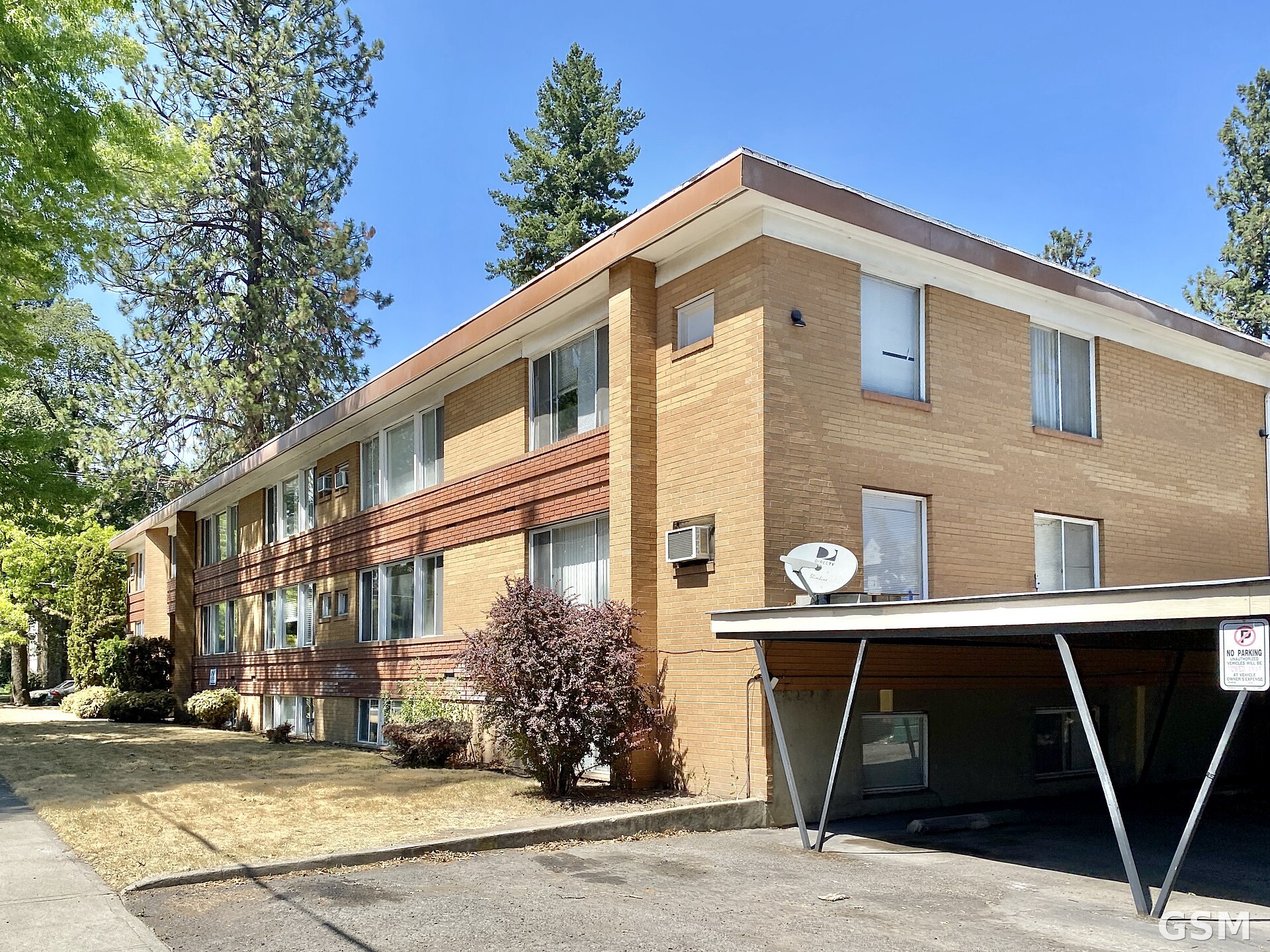
Photo: 图:美国一处公寓楼外观(资料图,摄于 Spokane)。摄影:Warren LeMay,CC BY-SA 2.0,经 Wikimedia Commons。Photo: An apartment building in Spokane, Washington (file photo). By Warren LeMay, CC BY-SA 2.0, via Wikimedia Commons.