US and Canada Working on Deal to Ease Steel and Auto Tariffs: Up to 50% on Steel and 25% on Autos Under Discussion, Sources Say Deal Possible Before November 3 Election
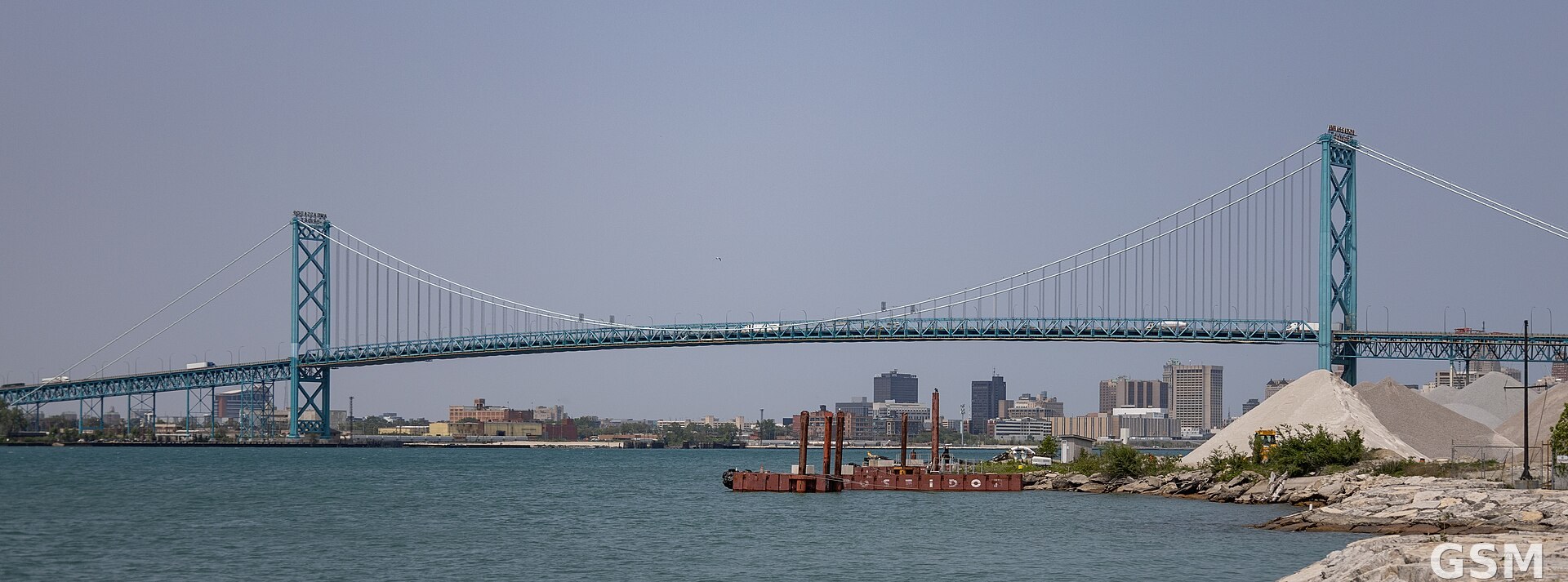
The United States and Canada are working on a deal to ease U.S. tariffs on Canadian steel and autos, two U.S. and four Canadian sources told Reuters on October 26, as the two governments try to repair relations that soured after trade talks broke down in August.
The talks focus on tariffs imposed under Section 232 of U.S. trade law, including a tariff of up to 50% on Canadian steel and 25% on autos, with negotiators discussing potential relief from those duties. One Canadian source briefed on the negotiations said a deal on steel and auto tariffs was possible before the November 3 midterm elections, while U.S. sources said the Trump administration wanted Canada to make further concessions. The sources spoke on condition of anonymity because the talks are private.
Because the Section 232 tariffs are administered by the Commerce Department, Commerce Secretary Howard Lutnick, rather than the U.S. Trade Representative's office, is at the center of the negotiations, sources on both sides of the border said. Lutnick and Dominic LeBlanc, Canada's minister responsible for Canada-U.S. trade, have been in regular contact recently, one source said. LeBlanc's office said Canada remains in contact with Washington. "Canada remains in constructive dialogue with our U.S. counterparts on a range of priorities," a spokesperson for LeBlanc said in a statement. "We stand ready to work constructively and in good faith towards a more mutually beneficial trading relationship that respects Canada's interests." The White House, the Commerce Department and the USTR's office did not immediately respond to requests for comment.
A Canadian industry source said a deal could come quickly, but not necessarily a broad one. "If it happens, it'll happen fast. But my sense is it'll be a narrowed deal, if it even happens," the source said. Another Canadian source said they have believed for some time that a deal on Section 232 tariffs is likely before the midterms, adding that any agreement would be driven by President Donald Trump and Canadian Prime Minister Mark Carney, both of whom had said a mutually beneficial deal is possible; Carney has said he wants a "good deal" for Canada.
U.S.-Canadian trade talks collapsed in August over issues including whether to cut duties on medium- and heavy-duty vehicles critical for Canadian factories, and U.S. automakers had hoped the talks would deliver relief from Washington's original 25% tariffs, which have raised the cost of shipping vehicles and parts across the border. Trump has previously announced he would raise tariffs on steel and auto imports from Canada to 50% from January 1, 2027; at a political rally on October 25 he predicted the trade dispute would be resolved "soon," without providing specifics. On October 24 Trump signed an order removing 50% tariffs on some Canadian agricultural and forestry products, a move that could benefit businesses in Maine.
Source: GSM · USA
Source: GSM · USA (original Chinese edition)
Photo: 连接美国 Detroit 与加拿大 Windsor 的大使桥(Ambassador Bridge),美加汽车与零部件跨境运输的主要通道(资料图)。Chris Woodrich(Crisco 1492)摄,CC BY-SA 4.0,经 Wikimedia Commons。