US vs China Infrastructure, Side by Side: High-Speed Rail, Bridges, and Water Diversion Compared on Cost, Schedule, and Quality
Comparable projects, placed side by side, show what differs in cost, schedule and quality. This article pairs three sets: California High-Speed Rail against the Beijing-Shanghai high-speed railway; the San Francisco-Oakland Bay Bridge eastern span against the Hong Kong-Zhuhai-Macau Bridge; and California's Sites Reservoir and Delta tunnel against China's South-North Water Transfer. Currencies, accounting conventions and construction conditions differ, so the figures are analogies, not equivalences.
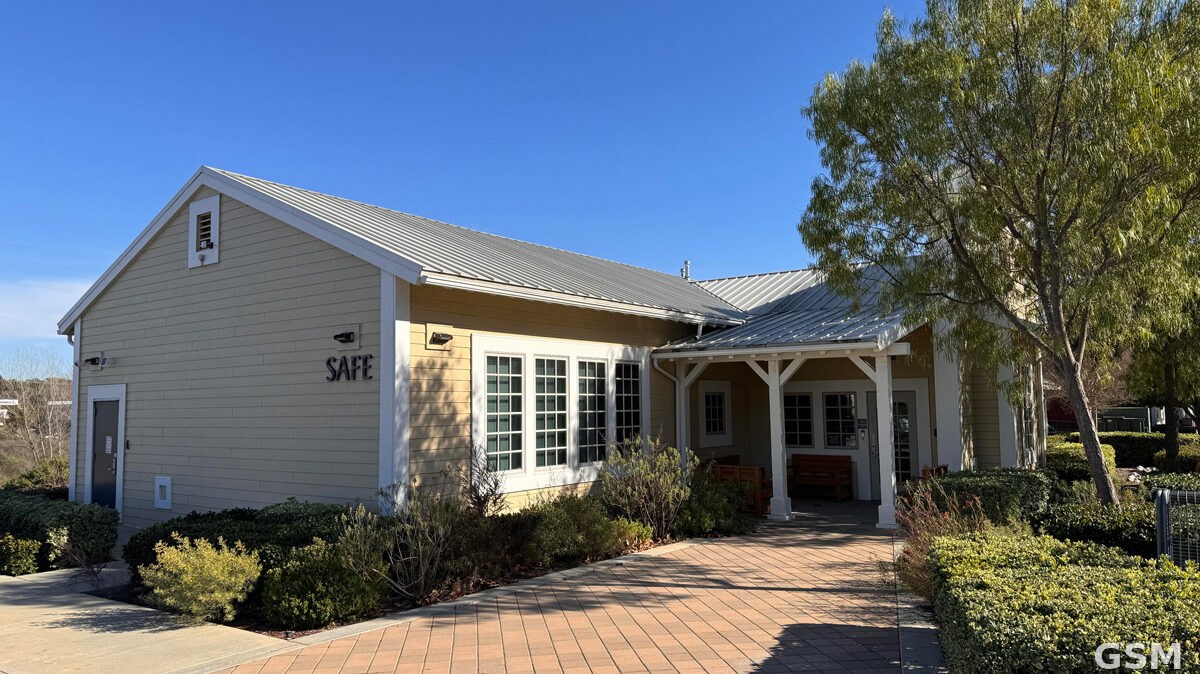
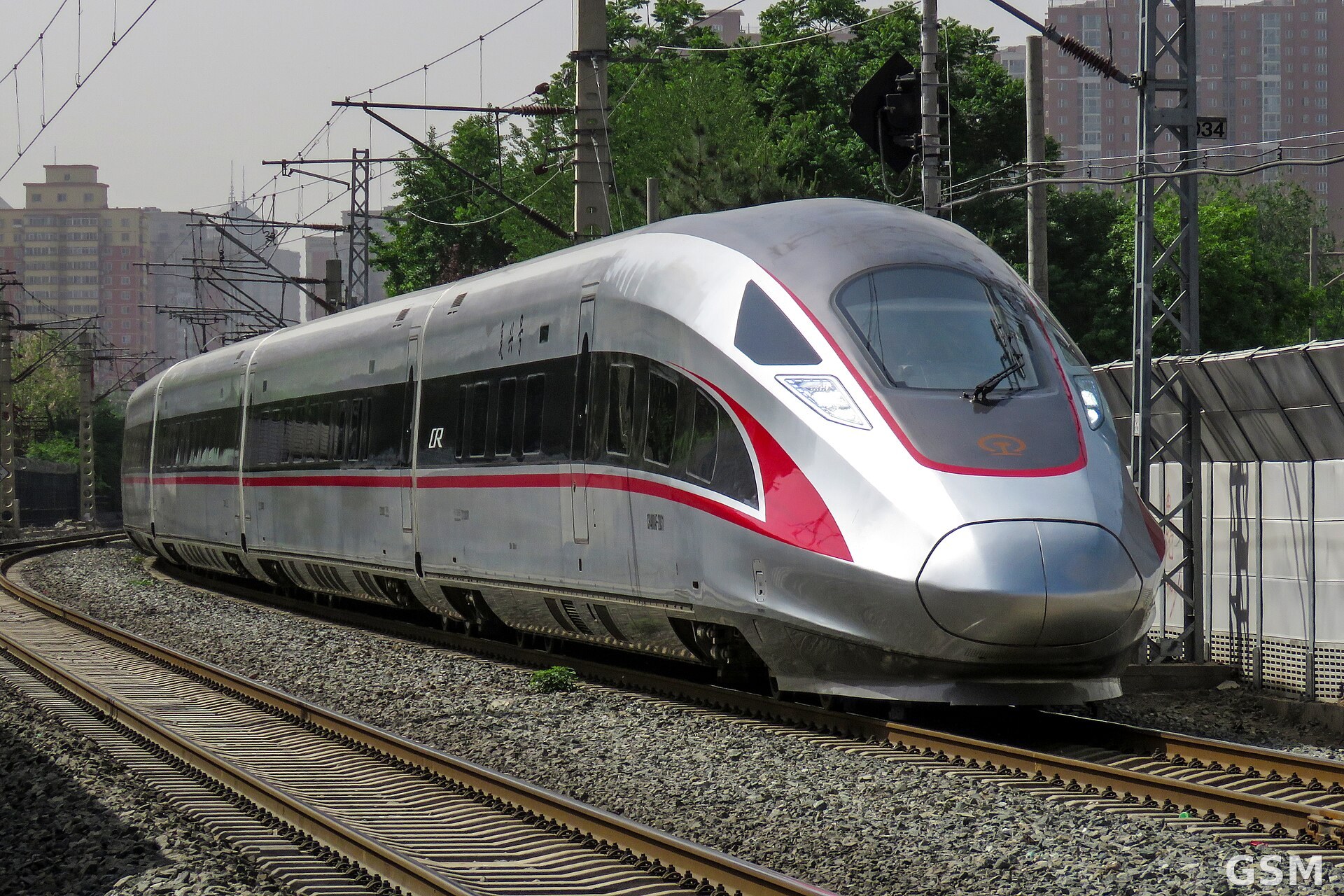
1. High-speed rail. California's Phase 1 runs about 795 km at an estimated $126.2 billion, roughly $159 million per km. The Beijing-Shanghai line is 1,318 km and cost 220.94 billion yuan, about 168 million yuan per km — a per-kilometer gap of roughly seven times at nominal exchange rates. Beijing-Shanghai broke ground on April 18, 2008 and opened June 30, 2011, designed for 350 km/h with a fastest trip of 4 hours 18 minutes. California began construction in 2015 and, 11 years on, has no passenger segment open; Merced-Bakersfield targets 2033 and Phase 1 targets 2040. China's network passed 50,000 km by the end of 2025 and carried 3.272 billion passengers in 2024. America's fastest train, the Acela, tops out at 150 mph (160 mph for the next generation) and averages about 81.7 mph between Washington and New York.
2. Bridges. The Bay Bridge eastern span replacement ran from January 29, 2002 to September 2, 2013 — about 11 years 7 months — and cost $6.5 billion, about $8.61 billion in 2024 dollars. The $250 million figure sometimes cited from that era was the price of a seismic-retrofit option, not a rebuild quote. The Hong Kong-Zhuhai-Macau Bridge is 55 km overall with a 29.6 km main section, cost over 120 billion yuan in total (about 48 billion yuan for the main works), and ran from December 15, 2009 to October 24, 2018. Per kilometer, the Bay Bridge span works out to about $1.86 billion against about 2.18 billion yuan (roughly $300 million) for the HZM main section. Geology, function and span conditions differ sharply, so unit costs are a reference, not a verdict.
3. Water. The central route of the South-North Water Transfer broke ground on December 27, 2003 and delivered water on December 12, 2014 — about 11 years. East and central routes together cost on the order of $62 billion officially (about $79.4 billion in some literature), and the Danjiangkou reservoir expansion resettled roughly 330,000-375,000 people. Sites Reservoir, by contrast, has been proposed since the 1950s and remains unbuilt: Proposition 1 set aside $2.7 billion for storage; Sites' cost has risen from $3.9 billion (2021) to $6.2-6.8 billion (2025), with about $1.363 billion committed by the state; its final water-right permit is set for November 4, 2026, with construction planned for 2027 and first water in 2034. The Delta tunnel (about 45 miles) is estimated by DWR at about $20.1 billion versus opponents' $60-100+ billion; its financing was rejected by the courts, no agency has committed, and it has not started.
4. Quality. The HZM Bridge was designed for a 120-year life; the Bay Bridge carries the widest deck in the world and about 270,000 vehicles a day. Beijing-Shanghai HSR has been profitable since 2015, with 2017 revenue of 29.595 billion yuan and profit of 12.716 billion yuan. On the other side of the ledger, the July 23, 2011 Wenzhou collision killed 40 people and injured more than 170, with 54 officials disciplined — the gravest safety lesson in China's high-speed rail history. ASCE's 2025 report card gives U.S. infrastructure an overall C: bridges C (44.1 percent good, 49.1 percent fair, 6.8 percent poor), roads D+, rail B-, with funding gaps of about $373 billion for bridges and $684 billion for roads, against about $351 billion over five years under the bipartisan infrastructure law.
Bottom line. Set side by side, the three comparisons measure different things: high-speed rail tests build speed and unit cost, bridges test cost control on complex works, and water projects test the cycle from proposal to groundbreaking. No single number settles which country builds better — but laying comparable projects side by side makes exactly where the gaps lie plain to see.
Source: GSM · USA (original Chinese edition)
Photo: 2018年5月6日,复兴号CR400AF-2031列车自北京首帕口车场出库。图片:N509FZ,CC BY-SA 4.0,取自维基共享资源。