NHTSA Winter Driving Tips: Check Tires and Battery, and Stock an Emergency Kit Before the Snow Season
The National Highway Traffic Safety Administration (NHTSA) has issued its winter driving safety guidance: snow, sleet and ice can make roads extremely dangerous, and drivers should prepare themselves and their vehicles before wintry weather arrives, slow down, and leave extra following distance once it does.
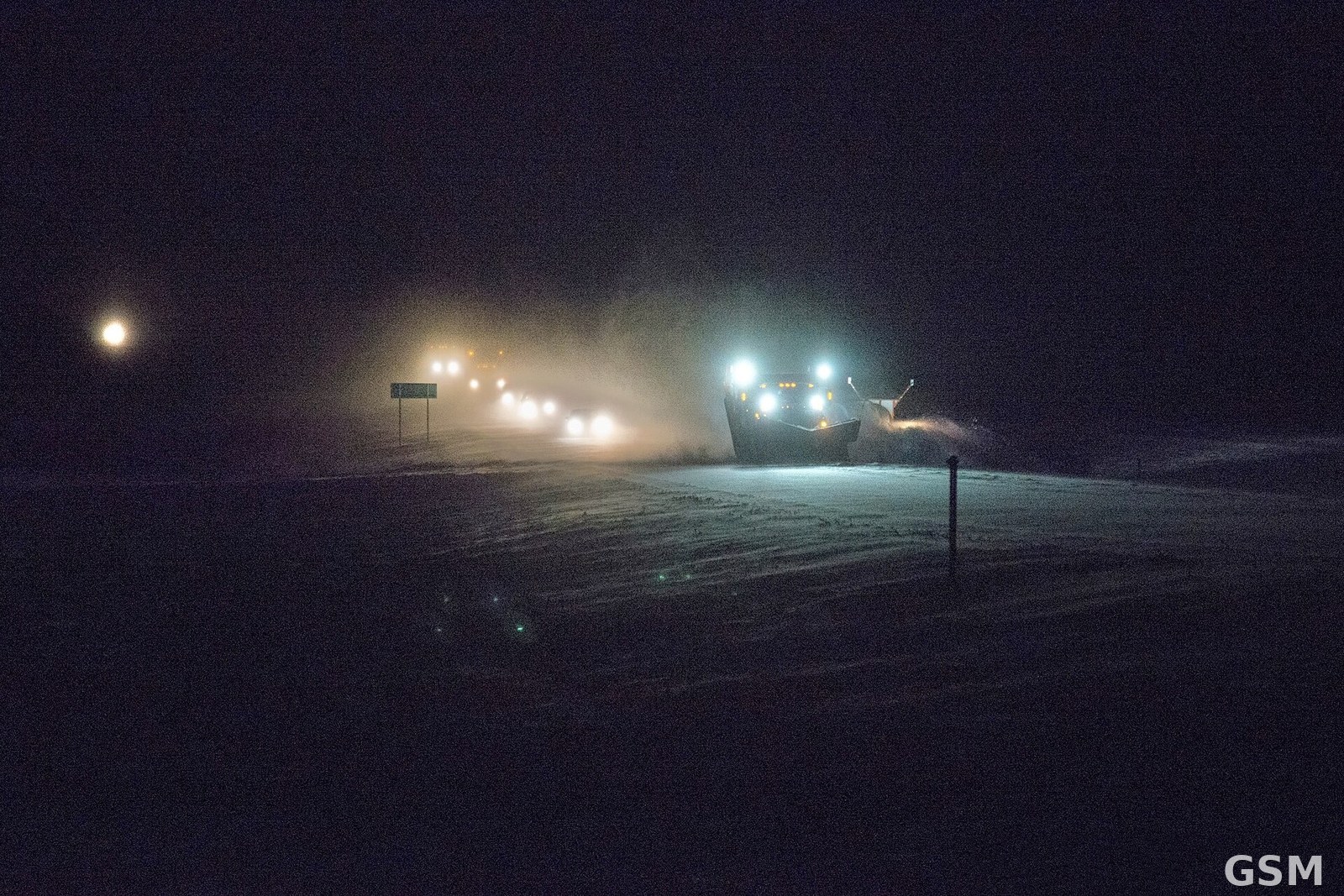
According to NHTSA, it is harder to control or stop a vehicle on a slick or snow-covered surface, so drivers should slow down and leave plenty of room to stop for vehicles ahead. Drivers should also avoid crowding snowplows or traveling beside them: plows move slowly, make wide turns, stop often, overlap lanes and exit the road frequently, so anyone behind a plow should stay well back and use caution when passing.
If a driver is stopped or stalled in wintry weather, NHTSA advises staying with the vehicle and not overexerting yourself. Make the vehicle visible by putting bright markers on the antenna or windows and keeping the interior dome light on. Be mindful of carbon monoxide poisoning: make sure the exhaust pipe is clear of snow, and run the vehicle only sporadically, just long enough to stay warm, never for long periods with the windows up or in an enclosed space.
Before the season, NHTSA's vehicle checklist covers tires, since tire inflation pressure drops as the temperature falls: fill each tire to the vehicle manufacturer's recommended pressure, found in the owner's manual and on the driver's side door frame label, not the maximum pressure printed on the tire itself. Batteries also lose power in the cold, and electric and hybrid vehicles lose range, so have a mechanic check the battery, charging system and belts. Check all lights, make sure the coolant meets the manufacturer's specifications, and fill the washer reservoir with winter fluid with de-icer. Finally, stock the vehicle with a snow shovel, broom and ice scraper; abrasive material such as sand or kitty litter; jumper cables, a flashlight and warning devices; blankets; and, for longer trips, a charged cell phone, water, food and any necessary medicine.
Source: GSM · USA (original Chinese edition)
Photo: 图:北达科他州交通厅的双向除雪车在公路作业(北达科他州交通厅,公共领域) / Photo: A North Dakota DOT bidirectional tow plow clearing a highway (North Dakota DOT, public domain)