Newsom Signs Executive Order to Protect Highway 1: Interagency Task Force Formed as Big Sur Corridor Emergency Spending Tops $312 Million Since 2020

California Governor Gavin Newsom on October 27 signed two executive orders at Crystal Cove State Park in Newport Beach, Orange County, as the state prepares for potentially dangerous El Niño storms: one creating an interagency task force to protect Highway 1, and another building on his September El Niño emergency proclamation to strengthen flood preparedness and speed emergency approvals for state agencies.
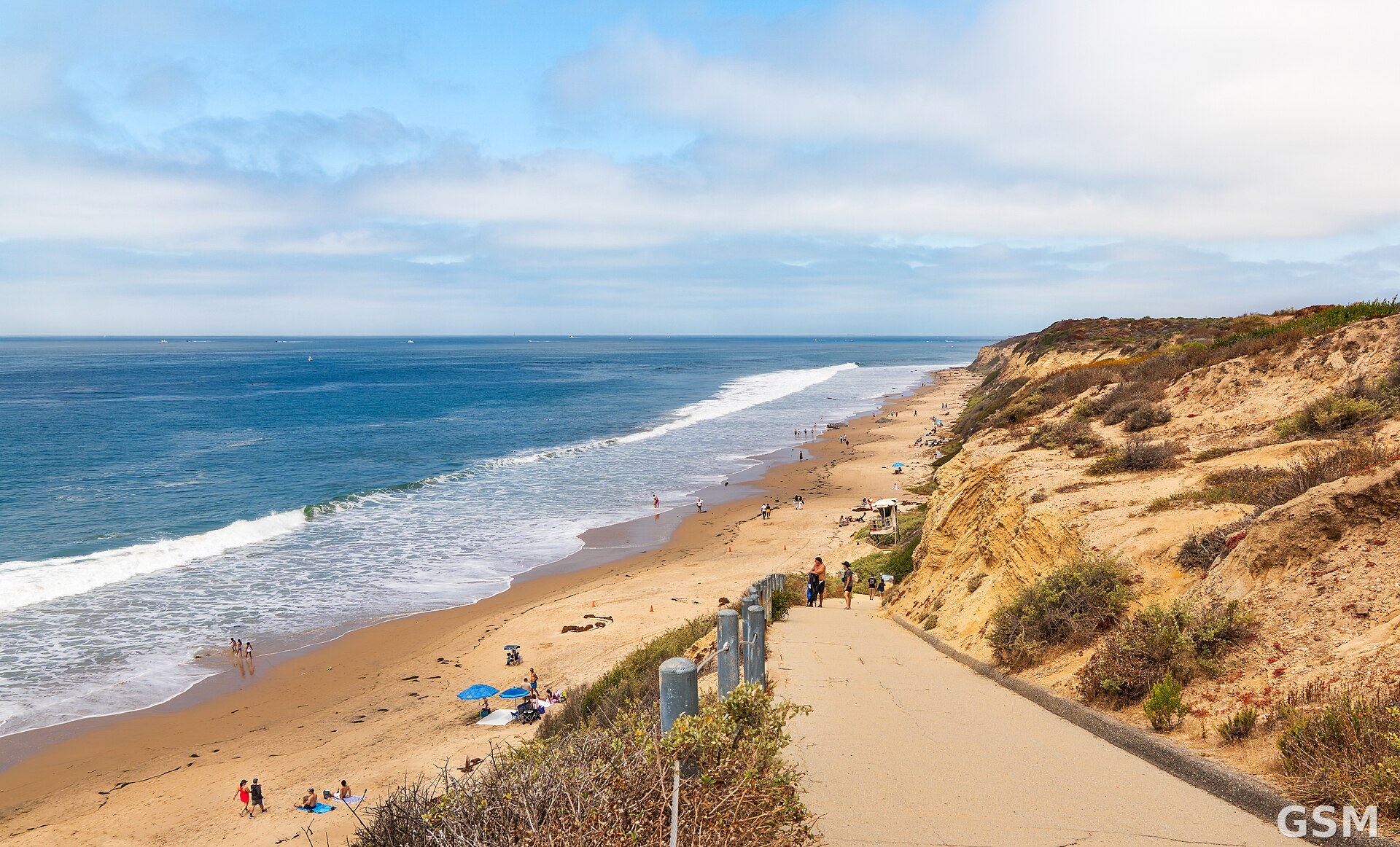
The signing site was chosen because a major bluff crack has opened elsewhere in the park. The Governor's Office said El Niño-driven ocean conditions, combined with high tides and powerful surf, can significantly worsen coastal erosion to the point where some coastal roads and rail lines are no longer safe to travel on, and that preventive work must happen before storms hit.
The first order creates a Highway 1 Task Force, led by the California State Transportation Agency and the California Natural Resources Agency, to identify vulnerable stretches of the corridor, recommend priority actions and funding needs, and find ways to get preventive work done faster. The order also directs Caltrans to prioritize landslide prevention where practicable, and State Parks to assess how closures and repairs could affect parks and public access.
Emergency project expenditures on the Big Sur Highway 1 corridor totaled approximately $312 million from 2020 through 2026, according to the Governor's Office, while nationwide, major weather and climate disasters have cost more than $3.3 trillion since 1980.
"Highway 1 is more than our nation's most iconic roadway. It keeps our coastal economy moving," Newsom said at the signing, noting that residents rely on it to get to work, children to school, goods to local businesses, first responders to emergencies, and visitors to the beaches. He also criticized the Federal Emergency Management Agency (FEMA), saying in his words that Trump's FEMA is sending communities the message: "when disaster strikes, you're on your own."
The second order builds on the September El Niño emergency proclamation, giving state agencies additional tools to reduce flood risks and protect communities and critical infrastructure. Public agencies seeking emergency streamlining for storm preparedness work can go through the California Natural Resources Agency.
Caltrans crews are inspecting and clearing catch basins, ditches and culverts and checking pumps; staging sandbags and sediment-control materials near vulnerable locations including wildfire burn scars; checking snow-removal and avalanche-control equipment, emergency generators and fuel supplies; and preparing storm-response equipment at more than 120 maintenance yards statewide, with approximately 1,300 pieces of winter operations equipment available for deployment. Crews across all 12 Caltrans districts are ready to shift to around-the-clock operations and 12-hour emergency shifts.
California Transportation Secretary Toks Omishakin said departments are strengthening vulnerable roadways and prepositioning critical equipment. Secretary for Natural Resources Wade Crowfoot said this year's El Niño conditions are "super-charged" by a marine heat wave that has already raised sea levels by a full foot. Caltrans Director Dina El-Tawansy said the order reinforces the department's proactive maintenance and coordinated planning, while Cal OES Director Caroline Thomas Jacobs and State Parks Director Armando Quintero spoke to interagency coordination, evacuation routes, visitor safety and public access.
The California Highway Patrol urges drivers to check Caltrans QuickMap for closures and conditions before traveling, slow down and leave more room on wet roads, avoid cruise control in wet conditions, check tires and wipers, turn on headlights when wipers are in continuous use, and never drive through floodwater. Officers will continue monitoring conditions statewide.
El Niño refers to the periodic warming of sea surface temperatures in the eastern Pacific Ocean, which often produces more frequent and intense storms over California, bringing flooding, landslides, debris flows and erosion. This year, "Kelvin waves" have already raised sea levels and caused coastal flooding attributed to El Niño, the Governor's Office said.
Source: GSM · USA (original Chinese edition)
Photo: GSM 行政令统一模板(加州州长行政令)