National Academies Report Names Four Candidate Sites for Crewed Moon Landings, Co-Chaired by UC San Diego Scholar
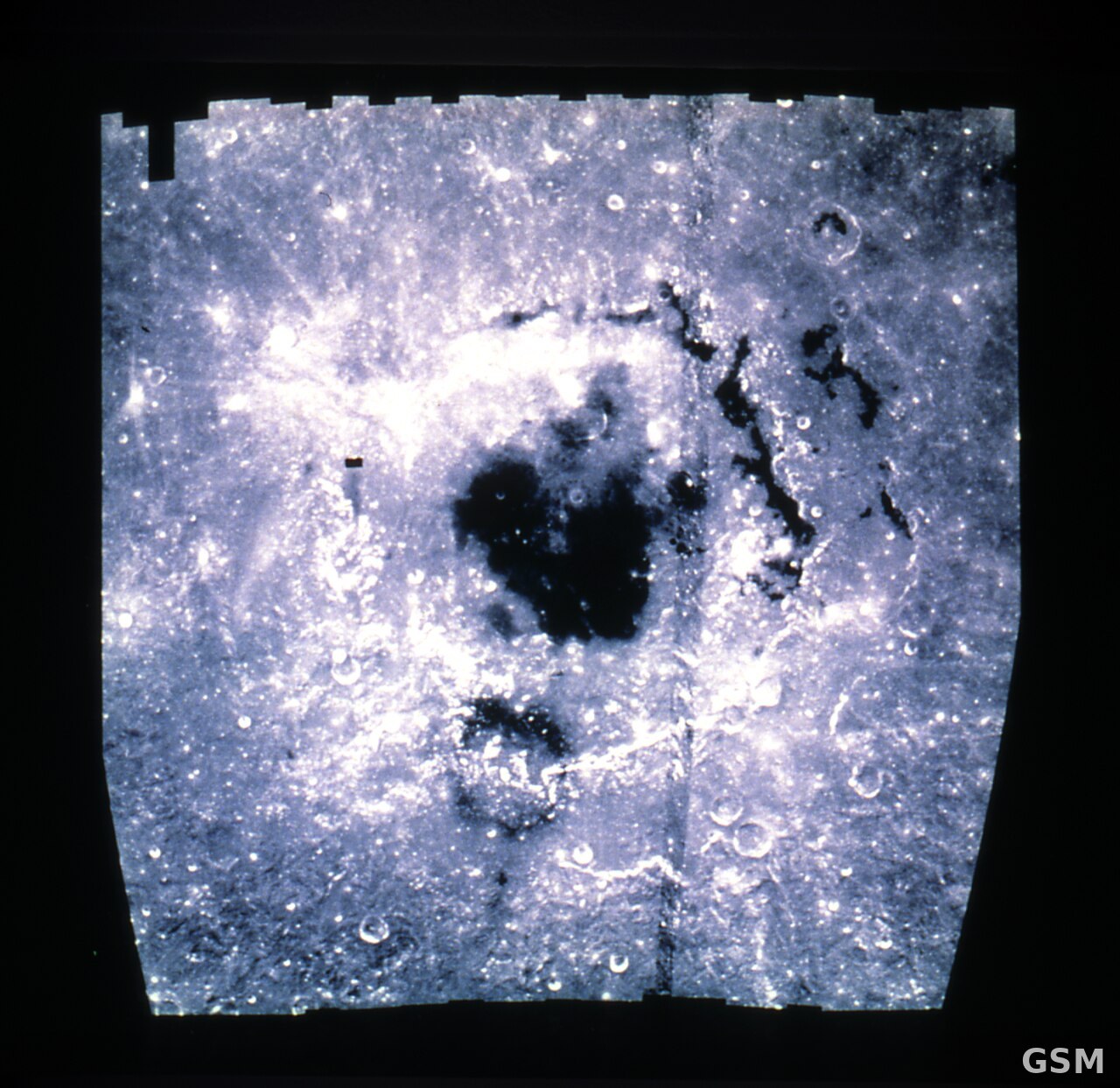
The National Academies on October 21 released "Human Exploration Across the Moon," a report commissioned by NASA that recommends four non-polar candidate landing sites for the next phase of U.S. crewed lunar missions: Bhabha crater, Mons Hadley, Orientale Basin and the Aristarchus Plateau. The committee that wrote the report was co-chaired by James Day, a geologist at the Scripps Institution of Oceanography at the University of California, San Diego, and Daniel Dumbacher of Purdue University.
For near-term missions, the report proposes a "short sortie" mode: two astronauts at a time would land and conduct one to four spacewalks on the surface, with a baseline that does not depend on a pressurized rover, favoring non-polar sites that require less infrastructure. Weighing scientific value, mission risk and access to resources, the committee concluded the four sites would let crews carry out high-value sampling and exploration during brief stays.
Each site carries distinct science goals. Bhabha crater, inside the South Pole-Aitken Basin on the lunar far side, can help researchers study the Moon's interior material and date the basin. Mons Hadley, near the 1971 Apollo 15 landing site, could deepen understanding of lunar volcanism and impact history. Orientale Basin is one of the best-preserved large multi-ring impact basins on the Moon, and the geologically complex Aristarchus Plateau is a key window into lunar volcanic activity.
The report notes that polar missions, such as to the lunar south pole, will require more extensive logistics and infrastructure and can follow in a later phase. Scripps, located in La Jolla in San Diego County, California, and part of UC San Diego, is a world-renowned ocean and earth science institution; its scholar co-chairing the study that will guide NASA's lunar planning underscores Southern California's role in planetary science.
Source: GSM · USA (original Chinese edition)
Photo: 图:月球Orientale盆地(东方海盆地)拼接影像,为本次报告推荐的候选着陆点之一。NASA拍摄,公共领域,来源:Wikimedia Commons / Photo: Mosaic image of the Moon's Orientale Basin, one of the candidate landing sites recommended in the report. NASA, public domain, via Wikimedia Commons