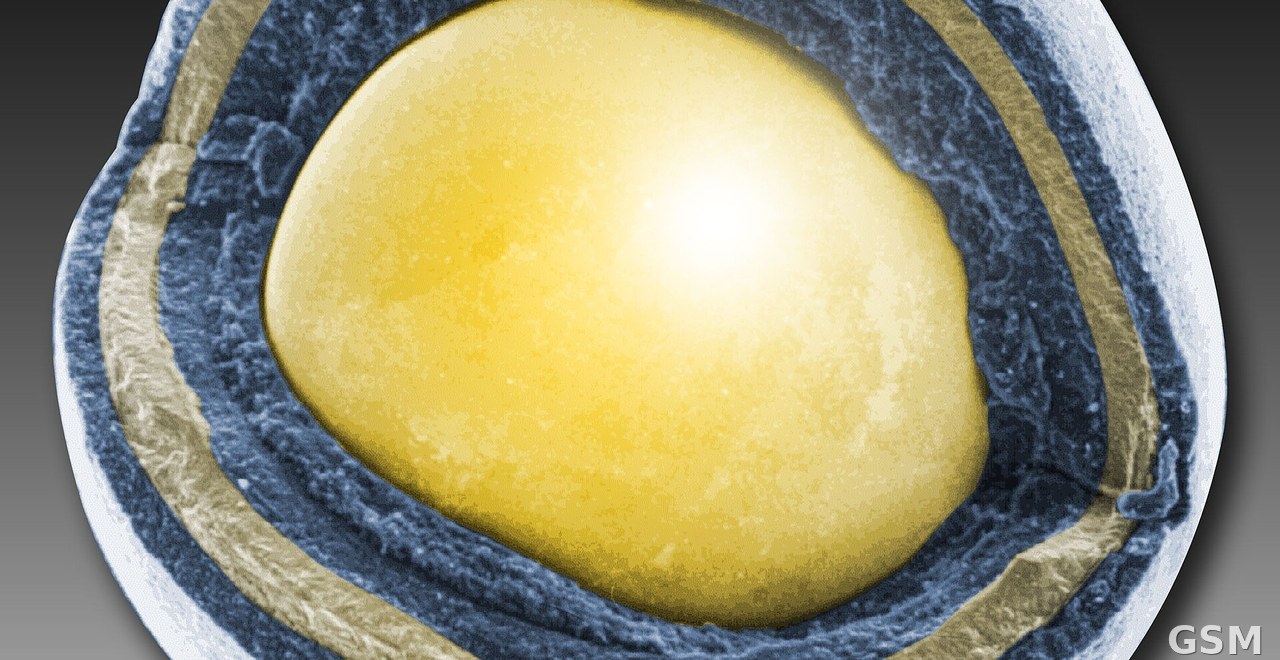
NASA's Perseverance Rover Detects Ultrafine Mars Dust About 100 Nanometers Wide, 500 Times Thinner Than a Human Hair
NASA's Perseverance rover, operating in and around Jezero Crater on Mars since landing in 2021, has detected the finest particles of dust yet found on the planet — ultrafine particles as small as around 100 nanometers wide, about 500 times thinner than a human hair, Reuters reported on Wednesday, October 28. The findings, led by planetary scientist Scott VanBommel of Washington University in St. Louis, a member of the Perseverance science team, were published in the journal Proceedings of the National Academy of Sciences.
Mars is a dusty place: dust is circulated by everyday winds, whirlwinds called dust devils and larger dust storms raging at local, regional and global scales, and dust is a factor that must be addressed in any human mission to Mars. Perseverance measured dust particles that stuck to rover hardware, including spacesuit materials carried aboard the six-wheeled robotic vehicle to observe how they hold up in the planet's harsh environment.
"A smaller particle size does not necessarily make dust more dangerous, but smaller particles do have a higher potential to penetrate deeper into the human body and are harder for the body to clear," VanBommel said. "Like any substance, toxicity depends on dose and duration. Martian dust contains silica, iron compounds and chlorine compounds such as perchlorate, which are known to be harmful at high enough doses on Earth."
The measurements give mission planners new data on the size and composition of Martian dust, informing assessments of risks to astronaut health, spacesuits and equipment ahead of future crewed missions to Mars.
Source: GSM · USA (original Chinese edition)
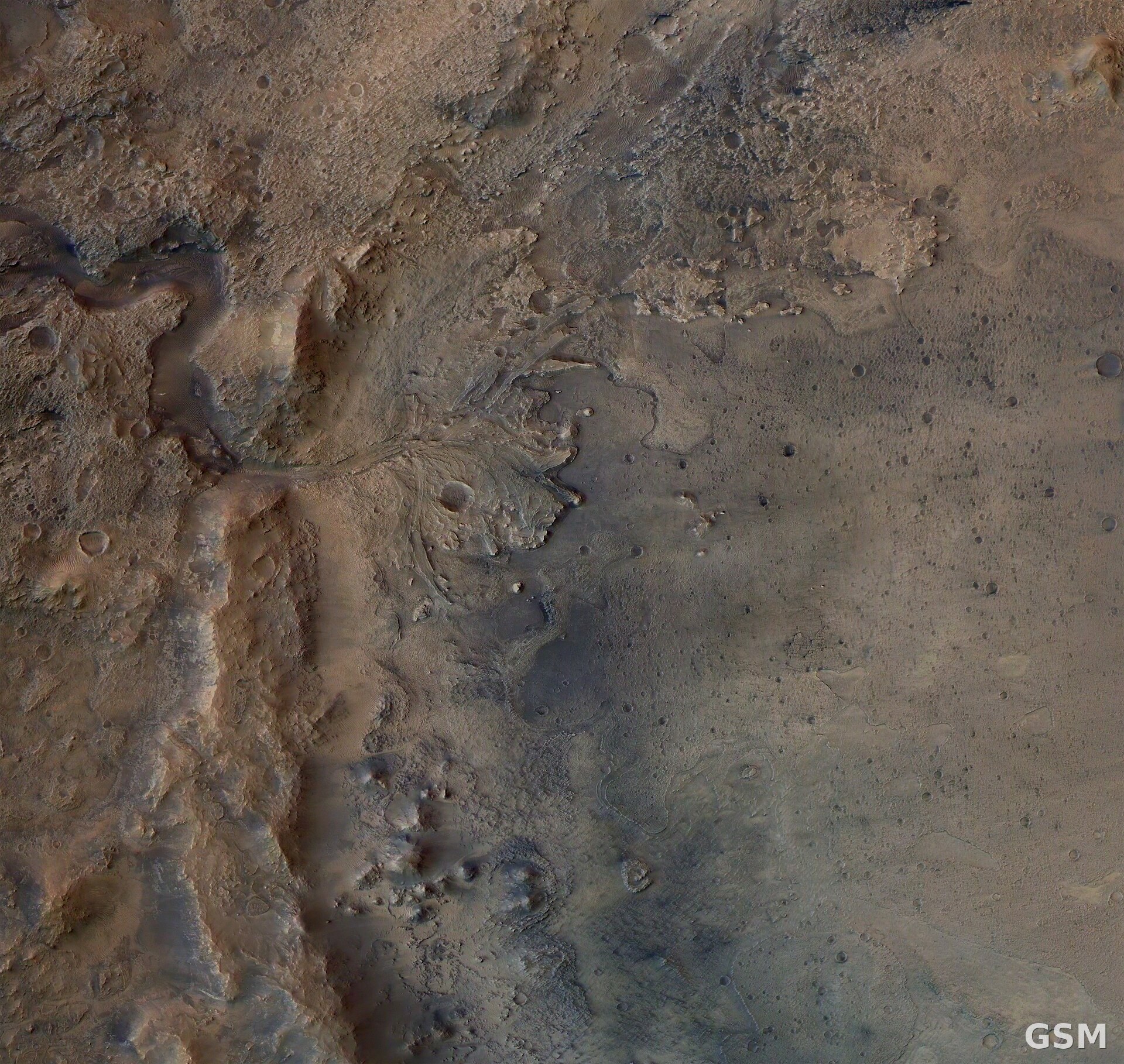
Photo: 火星Jezero陨石坑的古河流三角洲轨道影像,「毅力号」正在该陨石坑一带工作(资料图)。/ Orbital view of the ancient river delta in Jezero Crater on Mars, where the Perseverance rover is working (file photo). Image by ESA/DLR/FU Berlin, CC BY-SA 3.0 IGO, via Wikimedia Commons