DOJ Inspector General Audits Informant Policies at Four Agencies: Largely Compliant, Three Fixes Needed, All Five Recommendations Accepted
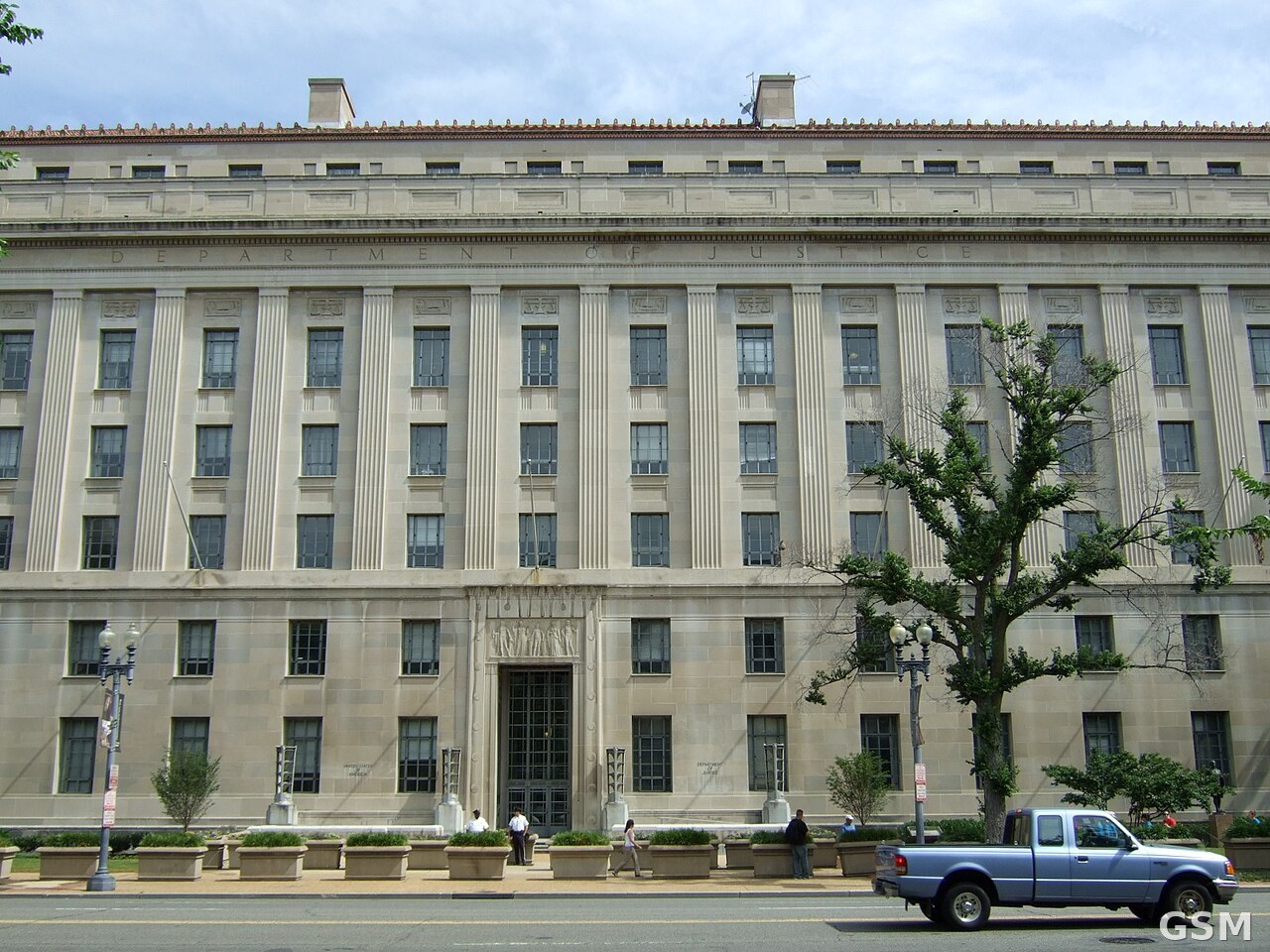
The Department of Justice Office of the Inspector General (OIG) on Oct. 28 released an audit report assessing whether the confidential informant (CI) policies of four DOJ law-enforcement components — the Bureau of Alcohol, Tobacco, Firearms and Explosives (ATF), the Drug Enforcement Administration (DEA), the Federal Bureau of Investigation (FBI) and the U.S. Marshals Service (USMS) — complied with the Attorney General's guidance and DOJ's internal control framework. Confidential informants provide valuable and credible information to law enforcement, and DOJ supports their use through established guidance and internal controls designed to manage the associated risks.
The audit found that the four agencies' policies largely adhered to DOJ requirements intended to protect informant identities, mitigate risks associated with informants linked to criminal organizations, and safeguard taxpayer funds. At the same time, the OIG identified opportunities to strengthen compliance and address emerging risks tied to evolving law-enforcement priorities and techniques.
First, the OIG found that DOJ guidance has not adequately addressed significant changes in law-enforcement priorities, such as the designation of cartels and other organizations as foreign terrorist organizations, the classification of fentanyl as a weapon of mass destruction, and the transition from cash-based to electronic informant payments at some components. Second, the two sets of Attorney General guidelines that apply to informant use are not entirely consistent in their internal-control requirements, which has led to varying levels of informant oversight among the components; greater alignment, the OIG said, would promote more consistent oversight.
Third, the audit said monitoring needs improvement for informants who are authorized to engage in activity that would otherwise be illegal. As examples, it said ATF, DEA and USMS policies can better mitigate risks in informant operations involving dangerous commodities such as firearms, and that ATF and USMS policies need to be strengthened by requiring that informants be given written instructions before they engage in otherwise illegal activities.
The OIG made five recommendations — one to the Office of the Deputy Attorney General and one to each of the four components — to help DOJ address the emerging risks and enhance its informant policies. The Department of Justice and all four components agreed with their individual recommendations.
Source: GSM · USA (original Chinese edition)
Photo: 图:位于华盛顿的美国司法部总部罗伯特·F·肯尼迪大楼正立面,檐口刻有部门名称。Baseball Watcher 摄,CC BY-SA,经 Wikimedia Commons。 / Photo: Front of the Robert F. Kennedy Department of Justice Building in Washington, D.C. By Baseball Watcher, CC BY-SA, via Wikimedia Commons.