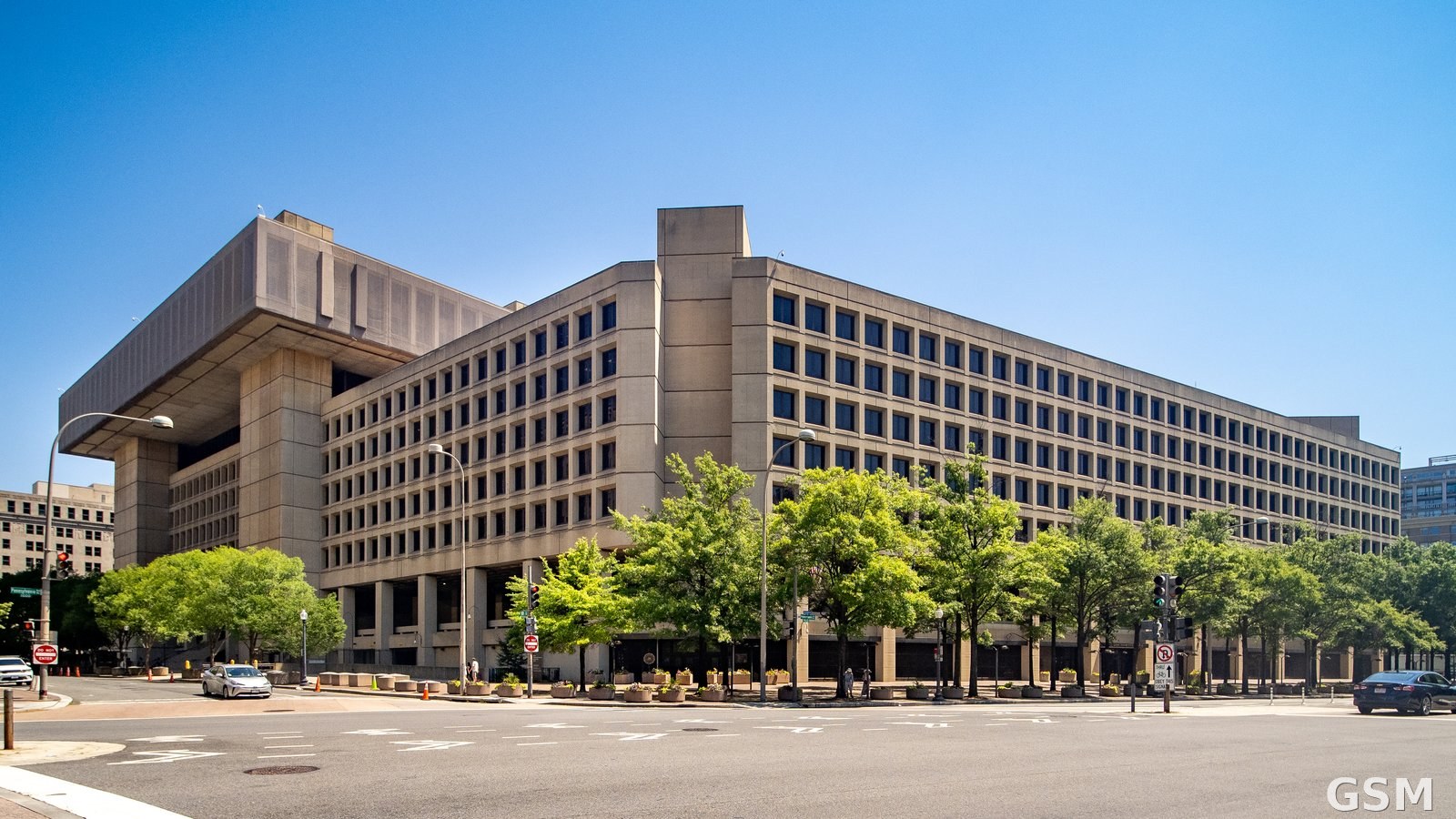
SEC Commissioner Uyeda Addresses Small Business Capital Formation Advisory Committee: Ten Years of Regulation Crowdfunding, IPO Communications and Research Coverage
U.S. Securities and Exchange Commission (SEC) Commissioner Mark T. Uyeda delivered remarks to the SEC's Small Business Capital Formation Advisory Committee in Washington, with the full text updated on the SEC website on October 28. Disclosure obligations, he said, are an important part of the puzzle of making IPOs great again, but the Commission should also pay attention to other areas of friction that can affect a company's ability to remain public and raise capital.
Uyeda said the Committee had spent the past summer working on recommendations to modernize access to the public markets, and that he looked forward to considering the Committee's views on the Commission's proposals aimed at reducing the regulatory hurdles for a company's IPO. The morning agenda addressed two areas where that friction shows up: the rules governing how companies communicate with investors before and during an IPO, and the thin or often non-existent research coverage many smaller companies face once they are public. The two are connected, he said: a smaller company that cannot readily tell its story before the offering and that attracts little or no professional analyst coverage afterward may reasonably conclude that going public is simply not worth the cost. He welcomed the Committee's views on steps to encourage more thoughtful and value-adding research on smaller companies, noting that the Global Research Analyst Settlement, announced more than two decades ago and applying to only 12 firms, was intended as a short-term remedy, not to last twenty years or longer, and that since then the SEC has adopted Regulation AC and FINRA has adopted rules to further improve research coverage requirements.
The afternoon session turned to Regulation Crowdfunding, which turned ten years old this past May. Uyeda recalled that the Commission raised the offering limit from $1.07 million to $5 million in 2020, and that participants at the Commission's 45th Annual Small Business Forum this year ranked an increase to $20 million among their top recommendations. The offering limit, however, should not be viewed as the sole question, he said: as an issuer raises more capital, its financial statement requirements escalate from review to audit, and its communications are constrained by advertising restrictions that can seem out of step with how companies communicate with stakeholders today. Ten years on, he said, the question remains whether Regulation Crowdfunding remains fit for purpose given its cost, and whether, as offering sizes grow, some protections should scale up while others should be simplified.
He also pointed to what happens after the offering: a successful crowdfunding issuer may find itself with thousands of shareholders and an exemption from Exchange Act registration conditioned on staying below certain thresholds, while investors generally have limited avenues for resale. If Regulation Crowdfunding is to serve growing companies rather than only the earliest ones, exit strategies and liquidity events deserve as much attention as the front-end offering limit, he said. He stressed that the anti-fraud provisions already apply to any statement made with respect to crowdfunding offerings, enforceable by the SEC, criminal authorities, and state securities regulators; the question is how extensive a prescriptive and prophylactic regime ought to be required given the relatively low dollar amounts being raised.
Uyeda closed by paying tribute to former Committee member Dennis Sugino, who recently passed away, thanking him for years of service using his investment expertise to build a better environment for companies to raise capital and for investors to invest.
Source: GSM · USA (original Chinese edition)
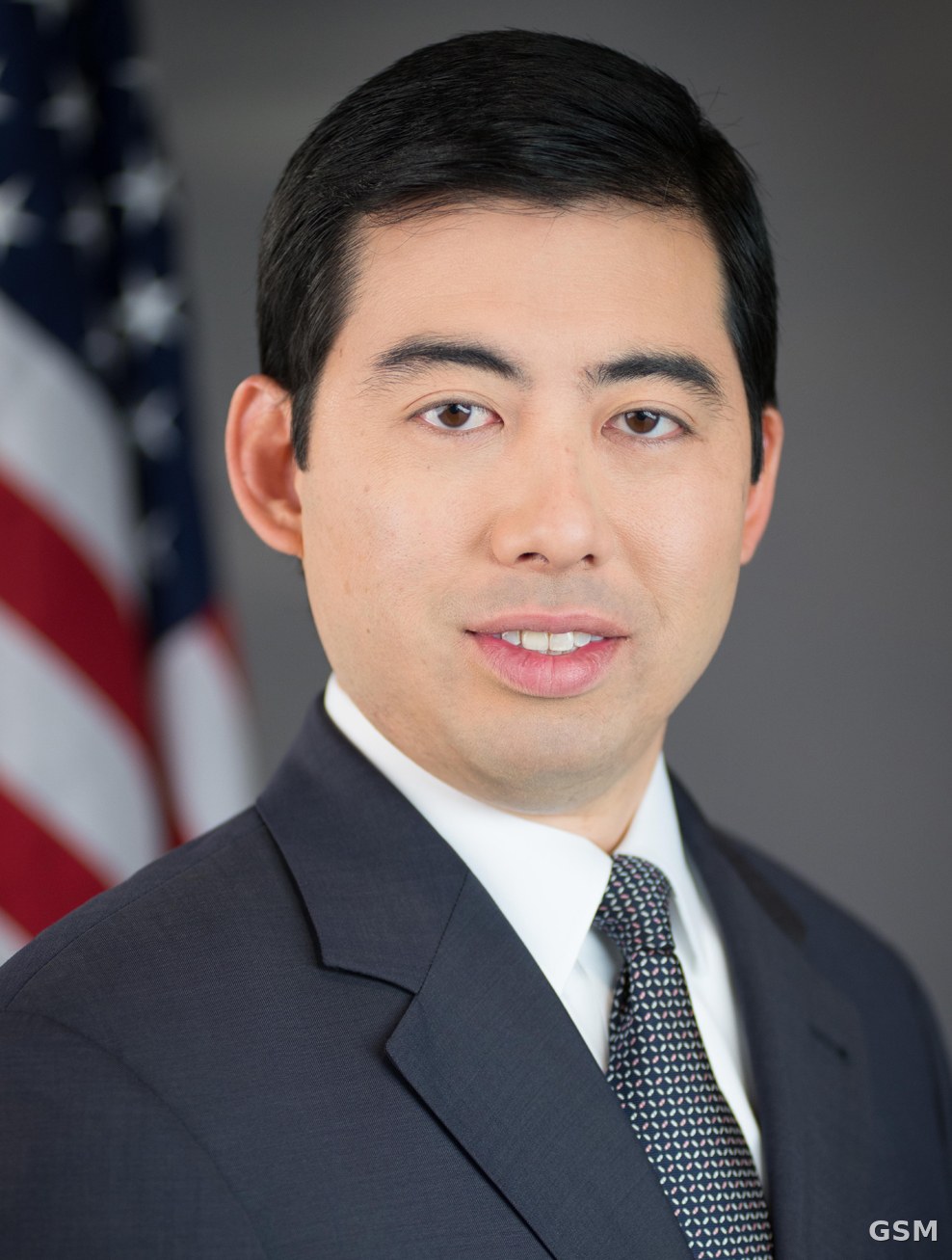
Photo: 图:美国证券交易委员会委员 Mark T. Uyeda 官方肖像。美国证券交易委员会,公共领域,经 Wikimedia Commons。 / Photo: Official portrait of SEC Commissioner Mark T. Uyeda. U.S. Securities and Exchange Commission, public domain, via Wikimedia Commons.