San Pedro Bay Ports Release Clean Marine Fuels Assessment: LNG and Methanol Most Viable, With 2030 Methanol Demand Put at Up to 250,000 Metric Tons
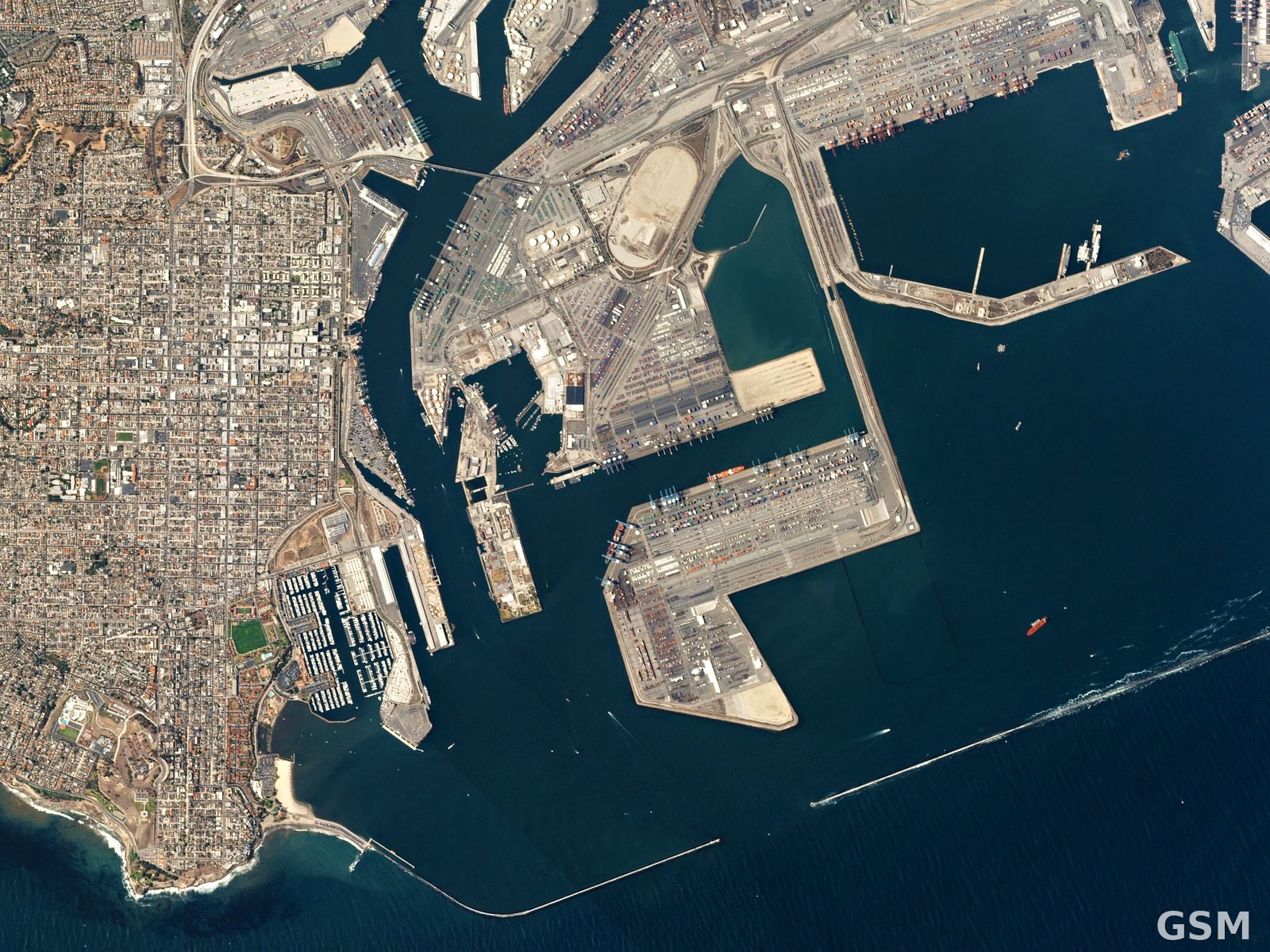
LONG BEACH, Calif. — The ports of Long Beach and Los Angeles on October 28 released a comprehensive Clean Marine Fuel Feasibility Assessment identifying liquefied natural gas (LNG) and methanol as the two most viable clean marine fuels for the near and medium term, and outlining steps to support their use at the nation's busiest port complex. Conducted as part of the ports' joint Green Shipping Corridor efforts, the study examined which fuels are most likely to be adopted by the shipping industry calling at the ports, how much demand could develop locally, and what infrastructure would be needed. Approximately 4,000 vessels call each year at the San Pedro Bay ports, and oceangoing vessels are the largest source of emissions in the port complex.
Among the study's findings: shipping lines are investing in a variety of fuel technologies rather than moving toward a single alternative; by 2030, annual demand at the two ports could reach approximately 65,000 to 115,000 metric tons of LNG and 64,000 to 250,000 metric tons of methanol, depending on market conditions and vessel deployment; much of the storage and distribution infrastructure needed for early methanol fueling is already available or could be adapted; and fuel costs, shipping line commitments and regulatory requirements will help determine how quickly cleaner fuels become widely available. The assessment recommends a phased approach: incentivizing early methanol use, exploring pilot fueling projects, using existing storage facilities, and working with regulators on clear safety and permitting requirements; for LNG, it recommends focusing on existing ship-to-ship fueling methods rather than constructing major new storage facilities. The findings will inform a joint ports Request for Proposal, anticipated by the end of the year, to demonstrate alternative fuel bunkering capabilities in the San Pedro Bay.
"Strategic investments guided by this study will enable a growing market for these green marine fuels, helping ships serving the trans-Pacific transition to a cleaner future," said Port of Long Beach CEO Dr. Noel Hacegaba. "Reducing emissions from ships is one of the most important challenges facing our industry," said Port of Los Angeles Executive Director Gene Seroka.
The ports' Clean Air Action Plan (CAAP), first approved in 2006 and updated in 2017, sets a course toward zero emissions. Since 2005, port-related emissions in San Pedro Bay have dropped 90% for diesel particulate matter, 70% for nitrogen oxides and 98% for sulfur oxides; the plan calls for reducing port-related greenhouse gas emissions 40% below 1990 levels by 2030 and 80% below 1990 levels by 2050.
Source: GSM · USA (original Chinese edition)
Photo: 圣佩德罗湾长滩港与洛杉矶港港区航拍(资料图)。Planet Labs 摄,CC BY-SA 4.0,经 Wikimedia Commons。 / Aerial view of the San Pedro Bay port complex (file photo). Photo by Planet Labs, Inc., CC BY-SA 4.0, via Wikimedia Commons.