San Bernardino County Fire in California Acquires Five Autonomous Firefighting Drones, a State First: Over 500 Gallons of Foam Within 5 to 10 Minutes
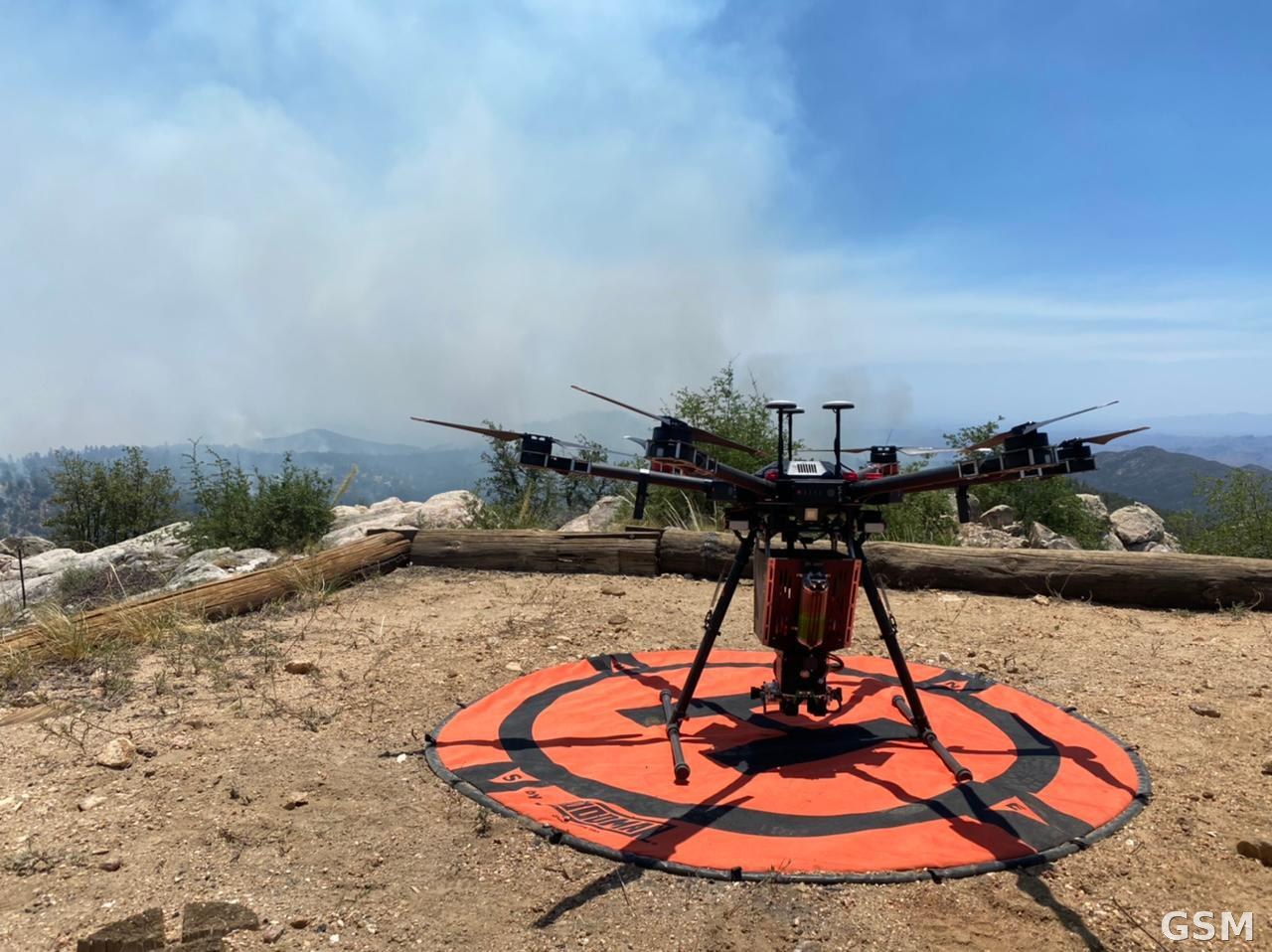
The San Bernardino County Fire Protection District (SBCoFD) in San Bernardino County, California, announced on October 28 that it has signed a contract with resilience technology company Seneca to deploy a Seneca Strike Team of five autonomous suppression aircraft, becoming the first fire department in California to train with and deploy the system. The aircraft navigate and coordinate using onboard super intelligence (SI), so a single SBCoFD pilot can operate multiple aircraft in difficult terrain, advancing the district's goal of stopping fires while they are still small.
The Strike Team includes five autonomous suppression aircraft, a towable Mobile Air Operations Base, and full access to Seneca's autonomy software. The five aircraft can launch from anywhere, deliver more than 500 gallons of finished foam, and reach a new start in 5 to 10 minutes or less. Onboard sensors allow night operations when some crewed aerial resources are grounded, the team can lay suppressant or retardant perimeters around key structures ahead of a fire front, and it can suppress hot spots during mop-up, reducing firefighters' exposure to toxic materials.
"Our goal is to stop 90% of fires before they grow larger than 10 square feet," said Dan Munsey, Fire Chief of the San Bernardino County Fire Protection District. "Seneca's aircraft give us a capability that has never before been possible: autonomous rapid initial attack. We've been working closely with Seneca for over a year to develop a system that meets our needs." Stuart Landesberg, founder and CEO of Seneca, called SBCoFD one of the most respected fire agencies in the world and said the company was honored to deliver its first system in California to the district.
San Bernardino is the largest county by area in the contiguous United States. SBCoFD protects more than 2 million residents across a service area of about 20,000 square miles with an authorized staffing level of over 1,100 full-time positions, responding to structure fires and medical emergencies in dense urban neighborhoods as well as fast-moving wildland fires in canyons, the high desert and the mountains — terrain often difficult or impossible for ground crews to reach quickly, and at hours when crewed aircraft are grounded. The district operates a dedicated Robotics and Unmanned Aerial Systems division, and the Strike Team adds an autonomous suppression capability alongside its existing fleet. Firefighter training is expected to begin ahead of delivery in the first and second quarters of 2027, with the system integrated into district operations before the 2027 peak fire season.
(GSM, based on the official announcement by the San Bernardino County Fire Protection District and Seneca via PR Newswire)
Source: GSM · USA (original Chinese edition)
Photo: 野火现场作业的消防无人机(资料图),公共领域(美国林业局/Wikimedia Commons) / A fire-service drone at work on a wildfire (file photo), Public Domain (U.S. Forest Service / Wikimedia Commons)