CereVasc Receives FDA IDE Approval to Evaluate the eShunt System in Patients With Early Alzheimer's Disease
CereVasc, Inc., a clinical-stage medical device company based in Boston, Massachusetts, announced on October 29 that the U.S. Food and Drug Administration (FDA) has approved an investigational device exemption (IDE) application to evaluate its eShunt System in patients with early symptomatic Alzheimer's disease.
Alzheimer's disease is the most common cause of dementia, affecting an estimated 7.4 million Americans age 65 and older, as well as millions of family members and caregivers. Without medical breakthroughs that prevent, delay or cure the disease, that number is projected to reach 13.8 million by 2060, the company said.
The eShunt System is a novel, minimally invasive, endovascular shunt designed to divert cerebrospinal fluid (CSF) to the venous system. CereVasc will investigate whether the system may support the brain's natural process for clearing neurotoxins associated with Alzheimer's disease by increasing CSF cycling, a fundamentally different approach from existing drug pathways.
Dr. Adnan Siddiqui, Vice Chairman of Neurosurgery at SUNY Buffalo's Jacobs School of Medicine and CEO of the Jacobs Institute, said the FDA's launch of the Neuroscience Advancement and Innovation Nexus, with Alzheimer's prevention and early intervention as its first focus, makes the study especially timely, and that investigating mechanisms to improve the brain's clearance pathways could make a big difference in disease progression. CereVasc President and CEO Tony Kingsley said FDA authorization to evaluate the eShunt System in Alzheimer's disease marks an exciting chapter for the company, which will build on its clinical experience with the system and work alongside leading Alzheimer's experts.
The company is also evaluating the eShunt System for normal pressure hydrocephalus and recently completed enrollment in STRIDE, its pivotal randomized controlled trial. The system remains an investigational device and has not been approved by the FDA or any other regulatory agency for commercial sale; its safety and effectiveness have not yet been established.
Source: GSM · USA (original Chinese edition)
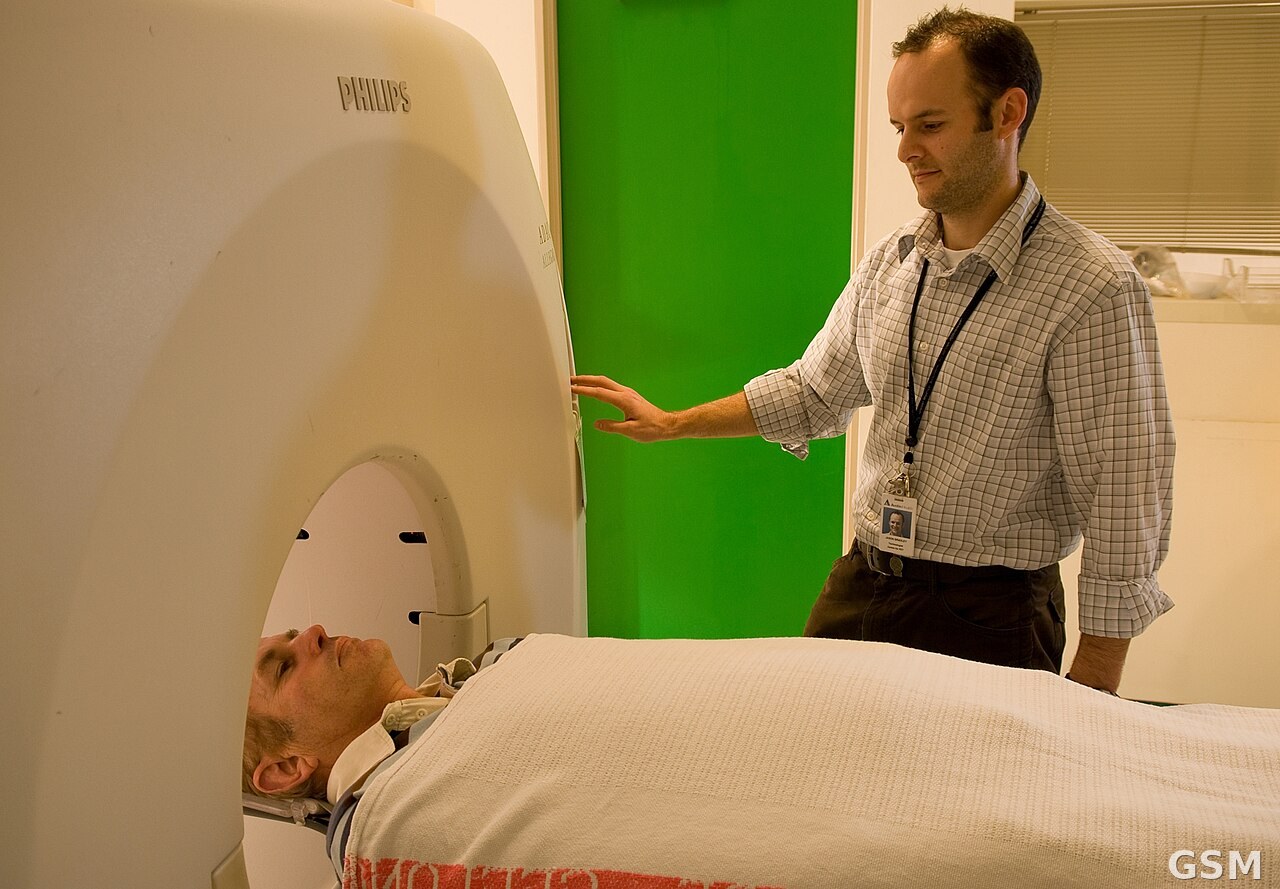
Photo: 图:受试者接受脑部 PET 扫描(资料图,与阿尔茨海默病临床研究题材相关)。Nick Pitsas/CSIRO 摄,CC BY 3.0,经 Wikimedia Commons。Photo: A volunteer receiving a brain PET scan (file photo). Nick Pitsas/CSIRO, CC BY 3.0, via Wikimedia Commons.