L3Harris Q3 Revenue Rises 7% to $6.1 Billion: $19.3 Billion in Quarterly Orders Lift Backlog to a Record $53.2 Billion
L3Harris Technologies (NYSE: LHX), headquartered in Melbourne, Florida, reported third-quarter 2026 results on October 29: revenue was $6.1 billion, up 7% year over year and up 9% on an organic basis, driven by double-digit growth in the Space & Mission Systems and Missile Solutions segments.
Operating income margin was 13.0%, up 200 basis points from a year earlier, while segment operating margin was 15.9%. Diluted earnings per share rose 33% to $3.28. Operating cash flow totaled $1.4 billion and capital expenditures were $179 million, leaving free cash flow of $1.3 billion, up 195% from a year earlier. The company ended the quarter with $11.0 billion in total debt, $2.5 billion in cash and equivalents and $550 million in short-term investments.
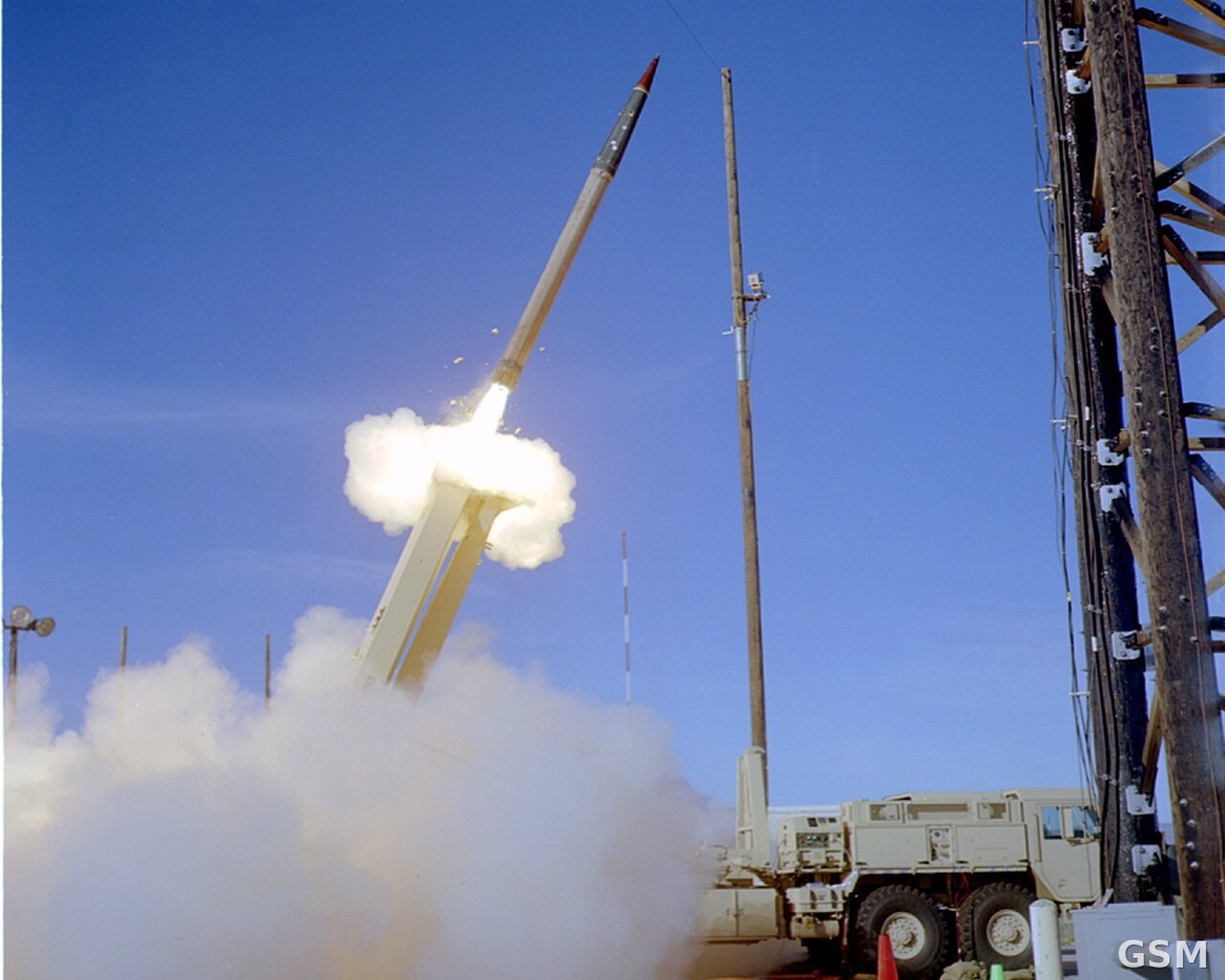
Orders received in the quarter totaled $19.3 billion, lifting backlog to a record $53.2 billion, for a book-to-bill ratio of 3.2 times; the Missile Solutions segment posted a book-to-bill of 11.8 times. During the quarter the company captured a seven-year, $6.3 billion undefinitized contract to scale propulsion production for the THAAD system and a seven-year, $4.7 billion undefinitized contract for PAC-3 Missile Segment Enhancement interceptor propulsion, both excluding escalations. It also announced a $250 million follow-on contract for standard-range Guided Multiple Launch Rocket System propulsion units, secured more than $500 million in VAMPIRE counter-drone orders from the United States and allies, and received an $876 million contract modification for the U.S. Navy's Next Generation Jammer Low Band system.
Management raised the bottom end of its 2026 revenue guidance range to $23.5 billion to $23.7 billion, increased the GAAP EPS range to $12.25 to $12.35, and maintained full-year free cash flow guidance of $3 billion.
President and CEO Sam Mehta said the team's exceptional execution grew backlog to record levels, underscoring consistently strong demand for the company's mission-critical capabilities, and that the priority now is to convert that demand into results while continuing to invest in production capacity across missiles and missile solutions, space, resilient communications and multi-domain sensing.
Source: GSM · USA (original Chinese edition)
Photo: 图:「萨德」(THAAD)拦截弹发射试验实景(资料图)。美国国家导弹防御局图,公共领域,经 Wikimedia Commons。Photo: A THAAD interceptor missile launch (file photo). National Missile Defense image, public domain, via Wikimedia Commons.